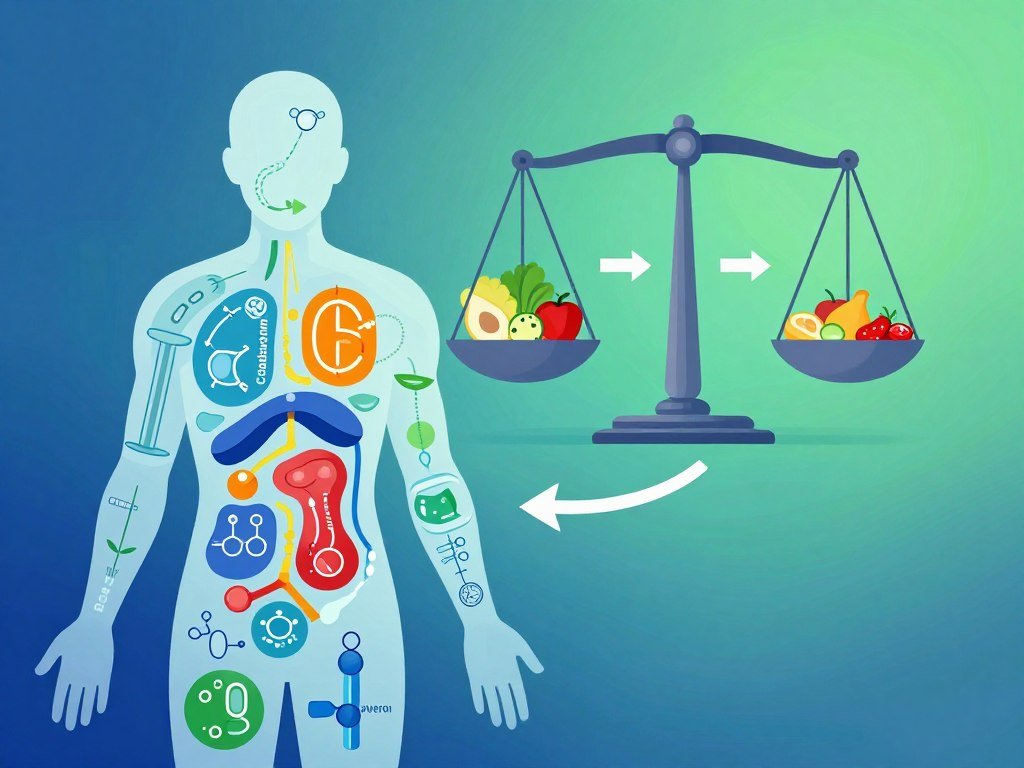
Did you know that your body burns nearly 70% of its daily energy just to keep your organs functioning while you sleep? This internal engine, known as metabolism, acts as the primary driver for every biological activity within your cells.
Understanding this complex network of enzymes is vital for anyone pursuing sustainable results. By mastering the connection between metabolism and weight loss, you gain control over your energy balance.
This article explores the biological factors that dictate your caloric burn. We will examine why weight loss strategies often fail when they ignore these fundamental physiological processes. Let’s dive into the science of your body’s fuel usage.
Key Takeaways
- Your body consumes most of its energy just to maintain basic life functions.
- The term refers to the chemical processes that convert food into usable fuel.
- Individual differences in cellular activity influence how quickly you burn calories.
- Sustainable health goals require a deep understanding of your unique energy needs.
- Lifestyle choices play a significant role in optimizing your internal engine.
Defining the Biological Engine
If you want to master your health, you need to peek under the hood of your body’s biological engine. At its core, metabolism is the sum of all chemical reactions that keep your cells functioning and your body alive.
Think of your body as a high-performance vehicle that requires constant fuel to operate. This metabolism explanation weight loss journey begins by understanding how your system converts the food you eat into the energy required for every heartbeat and movement.
The Cellular Basis of Energy Production
Deep within your cells, tiny structures called mitochondria act as power plants. They transform nutrients into a molecule known as ATP, which serves as the primary currency for cellular energy.
When you move or exercise, your cells demand more ATP to sustain that effort. Efficient metabolism ensures that your body can produce this energy on demand, keeping your systems running smoothly throughout the day.
“The body is a self-regulating machine that constantly seeks balance, turning the fuel we provide into the life force that sustains us.”
Anabolism vs. Catabolism: The Two Sides of the Coin
Your metabolic rate is governed by two opposing yet complementary processes. Anabolism involves building complex molecules from simpler ones, such as using protein to repair muscle tissue after a workout.
Conversely, catabolism breaks down larger molecules to release stored energy. This metabolism explanation weight loss process is vital because it allows your body to tap into fat stores when you need extra fuel.
By balancing these two forces, your body maintains its structure while meeting its energy needs. Understanding this delicate equilibrium is the first step toward achieving your long-term wellness goals.
The Components of Total Daily Energy Expenditure
Your body acts like a sophisticated machine that constantly balances the fuel you consume against the energy you burn. To master your health, you must understand how this internal system functions on a daily basis. This metabolism explanation weight loss journey begins with identifying exactly where your calories go.
Understanding TDEE and Its Variables
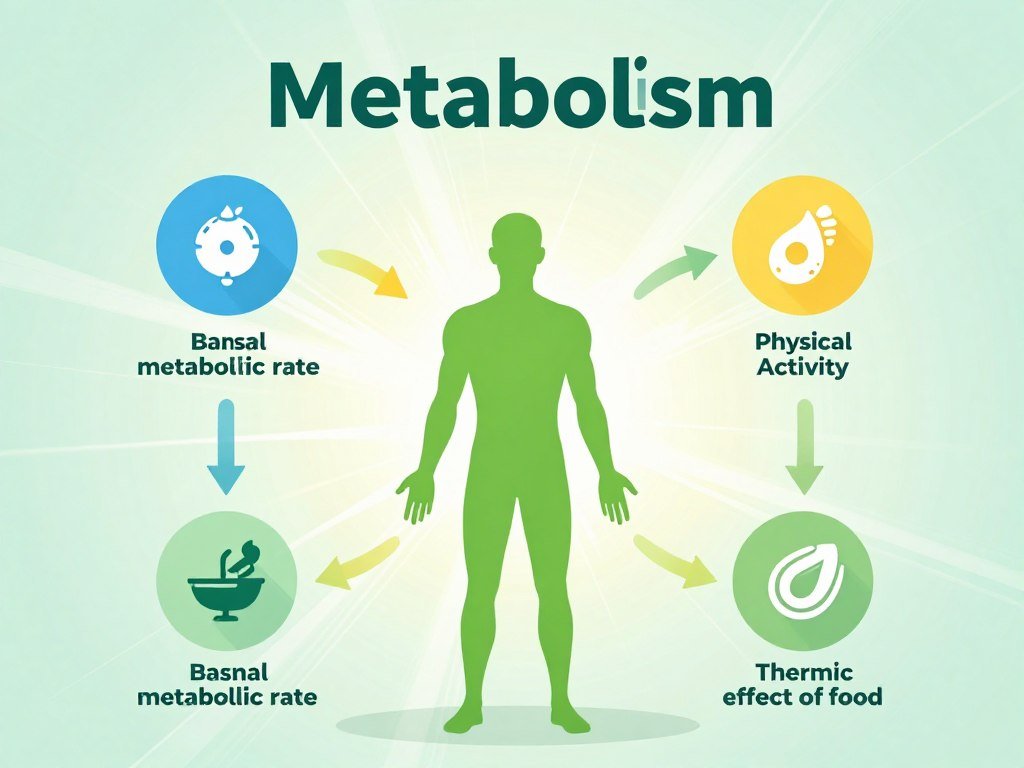
Total Daily Energy Expenditure, or TDEE, represents the total number of calories your body burns in a 24-hour period. It is not a static number, as it fluctuates based on your activity levels and physiological needs. Understanding these variables is essential for anyone serious about managing their body composition.
The primary components that make up your TDEE include your Basal Metabolic Rate (BMR), the Thermic Effect of Food (TEF), and your physical activity levels. While BMR accounts for the energy used at rest, your daily movement—both intentional exercise and simple fidgeting—adds significantly to the final tally.
| Component | Description | Impact on TDEE |
|---|---|---|
| BMR | Energy for basic life functions | High (60-75%) |
| TEF | Energy used to digest food | Low (5-10%) |
| NEAT | Non-exercise daily movement | Variable (15-30%) |
| EAT | Planned physical exercise | Variable (5-15%) |
Why Energy Balance Remains the Foundation of Weight Loss
At its core, weight loss is governed by the principle of energy balance. When you consume fewer calories than your TDEE, your body must tap into stored energy reserves to function. This creates the necessary deficit to trigger fat reduction over time.
The body naturally strives to reach an equilibrium between intake and expenditure. If you consistently provide the exact amount of energy your body requires, your weight will remain stable. Consistent energy management is the cornerstone of any successful health journey, regardless of individual metabolic variations.
By tracking these inputs and outputs, you gain control over your physical outcomes. Remember that sustainable results come from understanding these biological realities rather than seeking quick fixes. Maintaining this balance is the most reliable path to achieving your long-term goals.
What Is Metabolism and How Does It Affect Weight Loss?
Metabolism acts as the silent conductor of your body’s energy orchestra, influencing every pound you gain or lose. Many people often ask, what is metabolism and how does it affect weight loss? At its core, this process represents the chemical reactions that convert food into fuel for your daily activities.
When your body receives more energy than it can burn, it stores the excess as fat. This state of metabolic derangement is the primary driver behind unwanted weight gain. Understanding this balance is essential for anyone looking to improve their body composition.
The Correlation Between Metabolic Rate and Fat Storage
The relationship between metabolism and weight loss is rooted in how efficiently your body manages energy. A higher metabolic rate means your body burns more calories even while at rest. When this rate slows down, the body becomes more prone to storing fat rather than utilizing it for immediate energy needs.
Consistency in your daily habits helps maintain a healthy metabolic pace. If you consume more calories than your body requires for its baseline functions, the surplus is inevitably stored. This simple math highlights why managing your intake is a critical component of long-term health.
Individual Variability in Metabolic Efficiency
It is important to recognize that the metabolism impact on weight loss varies significantly from person to person. Genetics, age, and body composition all play a role in how your unique system functions. Some individuals possess a naturally higher efficiency, while others may find that their bodies hold onto energy more stubbornly.
This variability explains why two people can follow the same diet and see different results. Recognizing your own metabolic baseline allows you to tailor your approach to nutrition and movement. The following table illustrates how different factors influence your overall energy management.
| Factor | High Efficiency | Low Efficiency |
|---|---|---|
| Muscle Mass | Higher (Burns more) | Lower (Burns less) |
| Activity Level | Consistent Movement | Sedentary Lifestyle |
| Weight Loss and Metabolism Correlation | Easier Maintenance | Requires More Effort |
The Role of Basal Metabolic Rate in Body Composition
Your Basal Metabolic Rate (BMR) acts as the silent engine driving your body’s daily energy needs. It represents the total number of calories your body requires to perform basic life-sustaining functions while at complete rest. Understanding this metabolism function in weight loss is vital for anyone looking to manage their body composition effectively.
When you are at rest, your body is still hard at work. It maintains your heartbeat, regulates body temperature, and supports cellular repair. These processes account for the majority of your daily caloric expenditure, making BMR a cornerstone of your overall health profile.

Factors That Influence Your BMR
Several biological variables dictate how fast or slow your internal engine runs. Recognizing these factors helps clarify the metabolism role in weight loss and why individual results vary so significantly.
- Body Size and Composition: Individuals with more muscle mass generally have a higher BMR because muscle tissue is more metabolically active than fat.
- Age: As we grow older, our metabolic rate often slows down due to a natural loss of muscle mass.
- Gender: Men typically possess more muscle and less body fat than women, which often results in a higher baseline burn.
It is also important to note that your BMR is not static. Research shows that BMR decreases with a reduction in body weight, specifically by about 0.02 kcal/min for each 1% decrease in body weight. This physiological shift is a natural response as the body becomes more efficient at conserving energy.
Calculating Your Baseline Energy Needs
Determining your specific energy requirements allows you to create a more sustainable plan for your goals. While online calculators provide a helpful estimate, they are merely starting points for your journey.
Many health professionals also use Body Mass Index (BMI) as a quick screening tool to assess weight-related health risks. While BMI does not measure body composition directly, it provides a broad snapshot of how your weight relates to your height. Combining this data with your estimated BMR gives you a clearer picture of your metabolism function in weight loss.
Consistency is key when tracking these numbers. By monitoring how your body responds to different caloric intakes, you can adjust your strategy to maintain a healthy balance. Always remember that your metabolism is a dynamic system that adapts to the changes you make in your daily life.
How Thermogenesis Influences Caloric Burn
Understanding how your body processes energy is key to mastering your metabolism function in weight loss. While many people focus exclusively on intense gym sessions, your body is actually burning calories constantly through a process called thermogenesis. This internal heat production accounts for a significant portion of your daily energy expenditure.
Diet-Induced Thermogenesis Explained
Diet-induced thermogenesis, often called the thermic effect of food, refers to the energy your body spends to digest, absorb, and store nutrients. When you eat, your metabolic rate temporarily increases to handle the incoming fuel. This is a natural and necessary part of your digestive process.
Different macronutrients require different amounts of energy to process. For instance, protein requires more energy to break down than fats or carbohydrates. By choosing nutrient-dense foods, you can slightly optimize this aspect of your metabolic output.
Non-Exercise Activity Thermogenesis (NEAT) and Its Importance
Beyond digestion and formal workouts, your body burns energy through every movement you make during the day. This is known as Non-Exercise Activity Thermogenesis, or NEAT. It includes everything from walking to your car, fidgeting at your desk, or doing household chores.
NEAT is a powerful tool for improving your metabolism function in weight loss because it adds up over time. Even small changes, like taking the stairs or standing while working, can significantly increase your total daily burn. Consistency in daily movement is often more impactful than a single hour of exercise.
The Impact of Physical Activity on Metabolic Rate
Moving your body does more than just burn calories; it fundamentally alters your internal metabolic environment. By engaging in consistent movement, you trigger a process known as metabolic hormesis. This helps your body adapt to stress, ultimately improving your mitochondrial efficiency and strengthening the weight loss and metabolism correlation.

Aerobic Exercise and Immediate Caloric Expenditure
Aerobic activities like brisk walking, cycling, or swimming are excellent tools for creating a negative energy balance. When you perform these exercises, your body taps into stored energy to fuel the movement. This process is essential for restructuring body fat and improving how your system utilizes fuel throughout the day.
Beyond the immediate burn, regular aerobic training teaches your body to become more efficient at mobilizing fat stores. This shift is a vital component of the weight loss and metabolism correlation, as it ensures your body remains responsive to exercise over time. Consistency in these activities helps maintain a steady metabolic pace.
The Afterburn Effect: Excess Post-Exercise Oxygen Consumption
High-intensity movement often triggers a phenomenon called Excess Post-Exercise Oxygen Consumption, or EPOC. After you finish your workout, your body continues to consume oxygen at an elevated rate to return to its resting state. This afterburn effect means you continue to burn calories long after you have left the gym.
During this recovery phase, your body works hard to repair muscle fibers and replenish energy stores. This elevated metabolic state is a significant factor in the weight loss and metabolism correlation. By incorporating varied intensity levels into your routine, you can maximize these long-term advantages and keep your metabolic engine running smoothly.
Hormonal Regulation and Its Effect on Weight Management
Hormones serve as the silent conductors of your internal metabolic orchestra. These chemical messengers dictate how your body processes fuel, stores fat, and burns energy throughout the day. Understanding this complex network is vital for anyone looking to grasp the true metabolism impact on weight loss.
Thyroid Function and Metabolic Speed
The thyroid gland acts as the master control switch for your metabolic rate. By producing hormones like T3 and T4, it directly influences how quickly your cells convert nutrients into usable energy. When this gland functions optimally, your body maintains a steady pace of caloric expenditure.
If thyroid levels drop, your internal engine may slow down significantly. This shift often makes it harder to shed extra pounds, even when you follow a strict diet. Recognizing the metabolism role in weight loss starts with acknowledging that your thyroid is the primary regulator of your baseline energy needs.
Insulin Sensitivity and Nutrient Partitioning
Insulin is another powerful hormone that manages how your body handles the food you eat. It acts like a key, unlocking your cells to allow glucose to enter for energy. When you are insulin sensitive, your body efficiently directs nutrients toward muscle tissue rather than fat storage.
However, poor insulin sensitivity can disrupt this process, leading to increased fat accumulation. Proper nutrient partitioning is essential for maintaining a healthy body composition. By keeping your insulin levels stable through balanced nutrition, you support a more effective metabolic environment for long-term success.
Age-Related Changes in Metabolic Function
As we move through different life stages, our internal engine undergoes natural transitions. It is common to feel that maintaining a healthy weight requires more effort than it did in our younger years. Understanding these shifts is the first step toward building a sustainable approach to your long-term wellness.
Why Metabolism Naturally Slows Over Time
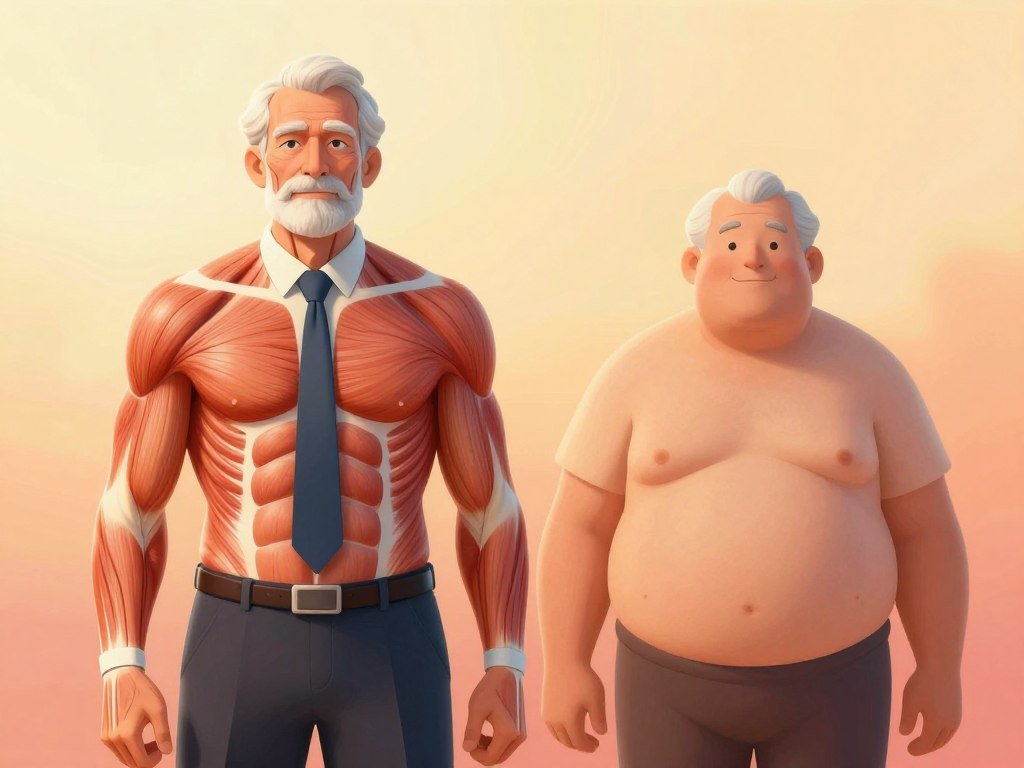
The primary driver of a slowing metabolism is the gradual loss of lean muscle tissue, a process often referred to as sarcopenia. As we age, our bodies become less efficient at repairing and building muscle fibers. This reduction in muscle mass directly lowers your resting metabolic rate, meaning you burn fewer calories while at rest.
Beyond muscle loss, hormonal changes play a significant role in how our bodies store and utilize energy. Shifts in thyroid function and sex hormones can influence how quickly we process nutrients. These biological changes are a normal part of the human experience, but they do not mean that weight management is impossible.
Mitigating Age-Related Muscle Loss
You can actively counter these natural declines by prioritizing consistent resistance training. Lifting weights or performing bodyweight exercises signals your body to maintain and grow muscle tissue. This simple habit acts as a powerful tool to keep your metabolic rate elevated even as you get older.
Nutrition also plays a vital role in preserving your body composition. Consuming adequate protein helps support muscle repair and recovery after physical activity. When you combine a protein-rich diet with regular movement, you create a strong foundation for metabolic health throughout every decade of your life.
| Age Group | Muscle Mass Trend | Metabolic Impact | Recommended Focus |
|---|---|---|---|
| 20s – 30s | Peak Potential | High Baseline | Strength Foundation |
| 40s – 50s | Gradual Decline | Moderate Slowing | Consistency & Protein |
| 60s and Beyond | Accelerated Loss | Lower Baseline | Resistance & Mobility |
The Truth About Metabolic Adaptation
Your body possesses a remarkable ability to adapt to changes in your daily caloric intake. When you start a new diet, your system views the reduction in energy as a signal to conserve resources. This biological response is a natural way to maintain homeostasis during periods of limited food availability.
Understanding the weight loss and metabolism correlation is essential for anyone seeking sustainable results. As you shed pounds, your body requires less energy to function, which naturally lowers your daily burn. This process is not a failure of your willpower but a sophisticated survival mechanism designed to keep you alive.
How the Body Responds to Caloric Deficits
When you enter a significant caloric deficit, your body initiates several energy-saving measures. It may reduce non-essential movements and lower your resting metabolic rate to ensure vital organs continue to function properly. This is why weight loss often slows down after the initial weeks of a new program.
Your hormones also shift during this time to encourage hunger and discourage further energy expenditure. These changes are the body’s way of protecting its fat stores against perceived starvation. Recognizing these signals helps you stay grounded and avoid unnecessary frustration during your journey.
Avoiding the Plateau Trap During Weight Loss
Hitting a plateau is a common experience, but it does not mean your weight loss efforts are wasted. To navigate this phase, consider incorporating “diet breaks” or slightly increasing your activity levels rather than cutting calories further. Consistency remains your most powerful tool for long-term success.
Focusing on nutrient-dense foods and maintaining muscle mass can also help mitigate the slowing of your metabolism. By keeping your body well-nourished, you signal that it is safe to continue burning energy efficiently. Patience is the ultimate key to overcoming these natural biological hurdles.
| Metabolic State | Body Response | Energy Output |
|---|---|---|
| Caloric Surplus | Storage Mode | High |
| Maintenance | Balanced | Stable |
| Caloric Deficit | Conservation | Reduced |
| Severe Restriction | Survival Mode | Lowest |
Nutritional Strategies to Support Healthy Metabolism
Optimizing your nutrition is one of the most effective methods to support a healthy metabolism. By making intentional food choices, you can influence how your body processes energy and manages weight. A clear metabolism explanation weight loss strategy often begins with understanding how different nutrients affect your internal engine.

The Thermic Effect of Protein
Every time you eat, your body uses energy to digest, absorb, and process the nutrients in your food. This process is known as the Thermic Effect of Food (TEF). Protein stands out because it has a significantly higher thermic effect than fats or carbohydrates.
Because protein requires more energy to break down, it naturally increases your caloric expenditure after a meal. Incorporating lean protein sources like chicken, fish, or legumes into your diet can help you feel fuller for longer. This simple shift is a powerful tool for anyone looking to improve their body composition.
| Macronutrient | Thermic Effect (Approximate) | Metabolic Impact |
|---|---|---|
| Protein | 20% – 30% | High energy demand |
| Carbohydrates | 5% – 10% | Moderate energy demand |
| Fats | 0% – 3% | Low energy demand |
Hydration and Its Role in Metabolic Processes
Water is essential for almost every chemical reaction in the body, including those that regulate your metabolic rate. Even mild dehydration can slow down your body’s ability to burn fat efficiently. Staying properly hydrated ensures that your cells have the environment they need to function at their peak.
Drinking enough water throughout the day also helps with appetite control and digestion. When you prioritize hydration, you provide your body with the foundation it needs to maintain metabolic efficiency. Consistent water intake is a simple yet vital component of any successful metabolism explanation weight loss plan.
Strength Training and Its Metabolic Advantages
Your body acts like a complex machine, and adding lean muscle is similar to upgrading its engine for better fuel efficiency. While many people prioritize cardio, incorporating resistance training is a vital strategy to improve your metabolism function in weight loss. By challenging your muscles, you create a more efficient system that burns energy even when you are not moving.
Building Lean Muscle Mass to Increase Resting Burn
It is a common misconception that fat and muscle tissue consume energy at the same rate. In reality, muscle tissue is highly metabolically active, meaning it requires significantly more calories to maintain than fat tissue does. Even while you are sleeping or sitting at your desk, your body spends energy to support the muscle you have built.
When you increase your lean muscle mass, you effectively raise your basal metabolic rate. This means your body becomes a more effective calorie-burning furnace throughout the day. Focusing on metabolism function in weight loss through strength training ensures that your hard work pays off long after you leave the gym.
The Long-Term Benefits of Resistance Training
Resistance training offers lasting advantages that go far beyond simple muscle growth. By consistently lifting weights, you protect your metabolic health as you age and ensure your body remains resilient. This type of exercise helps stabilize blood sugar levels and improves how your body partitions nutrients.
Consider these key benefits of integrating strength training into your routine:
- Increased Resting Energy Expenditure: More muscle means a higher baseline calorie burn.
- Improved Body Composition: Strength training helps you lose fat while preserving or building lean mass.
- Enhanced Metabolic Flexibility: Your body becomes better at switching between fuel sources.
- Long-Term Sustainability: Building muscle creates a permanent shift in your metabolic engine.
Ultimately, resistance training is a cornerstone of a healthy lifestyle. It provides the structural support your body needs to maintain a high level of metabolism function in weight loss for years to come.
Sleep, Stress, and Their Hidden Metabolic Costs
Chronic stress and poor sleep habits act as silent saboteurs that can stall your progress regardless of how hard you train. While many people focus exclusively on gym sessions and meal plans, they often overlook the internal environment that dictates how their body processes energy. Recognizing these factors is essential for anyone trying to understand the true metabolism role in weight loss.

Cortisol and Its Impact on Fat Storage
When you experience ongoing stress, your body releases a hormone called cortisol. This hormone is designed to help you survive immediate threats, but constant elevation keeps your system in a state of high alert. This chronic state can significantly alter your metabolic efficiency and promote fat storage, particularly around the midsection.
“The body is a complex machine where every system is interconnected; when stress levels rise, the metabolic engine often slows down to conserve energy for perceived survival.”
High cortisol levels can lead to muscle breakdown and increased cravings for high-calorie foods. By managing your stress through mindfulness or light activity, you can protect your metabolism role in weight loss from these negative hormonal shifts.
How Sleep Deprivation Disrupts Metabolic Hormones
Sleep is not just a time for rest; it is a critical period for hormonal regulation and tissue repair. When you do not get enough quality sleep, your body struggles to maintain the delicate balance of hormones that control hunger and energy usage. This disruption is a major factor in the overall metabolism impact on weight loss.
Specifically, sleep deprivation can cause the body to produce too much insulin, which often leads to increased fat storage. Consider these common consequences of poor sleep hygiene:
- Increased levels of ghrelin, the hormone that signals hunger.
- Decreased levels of leptin, which tells your brain you are full.
- Reduced insulin sensitivity, making it harder for your cells to process glucose efficiently.
Prioritizing seven to nine hours of quality sleep each night is a foundational step for your health. By stabilizing these hormones, you can minimize the negative metabolism impact on weight loss and ensure your body functions at its peak potential.
Debunking Common Myths About Metabolism Boosters
The supplement aisle is filled with promises of a faster metabolism, yet these claims rarely hold up to scientific scrutiny. Many consumers feel tempted by colorful bottles that promise effortless weight loss. However, understanding how your body truly functions is the first step toward avoiding marketing traps.
The Reality of Supplements and Fat Burners
Products marketed as “fat burners” often rely on stimulants like caffeine or obscure herbal blends. While these ingredients might provide a temporary energy spike, they do not significantly alter your metabolism in a way that leads to lasting fat loss. In many cases, these supplements provide little more than a placebo effect.
Furthermore, some of these products carry hidden risks. Ingredients that are not strictly regulated can lead to heart palpitations, high blood pressure, or digestive distress. Relying on pills to manage your health often ignores the complex biological systems that actually regulate your energy expenditure.
Why Quick Fixes Often Fail
The primary reason quick fixes fail is that they treat weight loss as a temporary event rather than a lifestyle change. A healthy metabolism is built through consistent habits like strength training, adequate sleep, and balanced nutrition. These foundational pillars cannot be replaced by a synthetic pill or a trendy tonic.
When you rely on shortcuts, you miss the opportunity to build the sustainable habits necessary for long-term success. True wellness requires patience and a focus on evidence-based strategies. By choosing to ignore marketing gimmicks, you empower yourself to make decisions that actually support your long-term health goals.
Conclusion
Achieving your goals is a journey that relies on understanding your unique biology. Sustainable results emerge from consistent lifestyle habits rather than relying on temporary trends or unproven shortcuts.
The complex relationship between metabolism and weight loss highlights the importance of patience. Your body functions best when you provide it with proper nutrition, adequate sleep, and regular movement. These pillars create a foundation for lasting change that goes beyond simple calorie counting.
Focusing on your internal health allows you to make informed decisions about your daily routine. By prioritizing long-term well-being, you align your habits with your body’s natural processes. This approach simplifies the connection between metabolism and weight loss while fostering a healthier relationship with your physical self.
Stay committed to the process and listen to the signals your body provides. Small, intentional changes often lead to the most significant transformations over time. Your path to a healthier life starts with these daily choices.
FAQ
The Cellular Basis of Energy Production
Anabolism vs. Catabolism: The Two Sides of the Coin
Understanding TDEE and Its Variables
Why Energy Balance Remains the Foundation of Weight Loss
The Correlation Between Metabolic Rate and Fat Storage
Individual Variability in Metabolic Efficiency
Factors That Influence Your BMR
Calculating Your Baseline Energy Needs
Diet-Induced Thermogenesis Explained
Non-Exercise Activity Thermogenesis (NEAT) and Its Importance
Aerobic Exercise and Immediate Caloric Expenditure
The Afterburn Effect: Excess Post-Exercise Oxygen Consumption
Thyroid Function and Metabolic Speed
Insulin Sensitivity and Nutrient Partitioning
Why Metabolism Naturally Slows Over Time
Mitigating Age-Related Muscle Loss
How the Body Responds to Caloric Deficits
Avoiding the Plateau Trap During Weight Loss
The Thermic Effect of Protein
Hydration and Its Role in Metabolic Processes
Building Lean Muscle Mass to Increase Resting Burn
The Long-Term Benefits of Resistance Training
Cortisol and Its Impact on Fat Storage
How Sleep Deprivation Disrupts Metabolic Hormones
The Reality of Supplements and Fat Burners
Why Quick Fixes Often Fail
What is metabolism and how does it affect weight loss?
Is there a strong weight loss and metabolism correlation?
How does metabolism function in weight loss regarding fat storage?
What is the metabolism role in weight loss plateaus?
Can you provide a metabolism explanation weight loss experts use for BMR?
How significant is the metabolism impact on weight loss through NEAT?
Does muscle mass change the metabolism and weight loss equation?
Are “metabolism-boosting” supplements a reliable weight loss tool?
 ✦ Verified Expert
Mahua Dutta
International Yoga Alliance Certified Instructor · Nutrition & Dietetics Advisor · Holistic Health Coach
Mahua is an internationally certified Online Yoga Therapeutic Instructor and Holistic Wellness Coach who blends ancient yogic wisdom with modern wellness science. Her work helps women build balance, strength, inner peace, and sustainable well-being through yoga, mindfulness, nutrition, Ayurveda, and meditation — especially for hormonal health and metabolic transformation.