
Did you know that your body contains more microbial cells than human cells? These trillions of tiny organisms living in your digestive tract act as a silent engine for your metabolism.
Modern science is finally uncovering how this internal ecosystem dictates your ability to manage body mass. Recent studies on intermittent fasting show that these microscopic residents play a vital role in how you process energy.
Many people struggle with traditional calorie-counting because it ignores these complex biological interactions. By focusing on your microbiome, you can address the root causes of metabolic resistance. This guide explores how to optimize your internal environment for better results.
Key Takeaways
- Trillions of microbes significantly influence your metabolic rate.
- Emerging research links fasting patterns to improved microbial diversity.
- Calorie counting often fails by ignoring your unique internal ecosystem.
- Your digestive environment is a primary factor in body mass management.
- Understanding these interactions helps you move beyond basic diet trends.
Understanding the Gut Microbiome and Its Role in Metabolism
Have you ever considered that you are more microbe than human? The gut microbiome is a vast, bustling community of trillions of microscopic creatures residing deep within your digestive tract.
In a standard adult male, this internal ecosystem reaches approximately 3.8 × 10^13 microbes. These tiny residents actually outnumber your own human cells, making them a significant part of your biological identity.
Defining the Human Microbiome
Think of your gut as a complex, living landscape that requires balance to function at its best. These microbes are not just passive passengers; they are active participants in your daily biological processes.
“The gut is the second brain, and its health is the foundation of our physical and mental well-being.”
When we talk about gut health and weight loss, we are really talking about the diversity and stability of this internal population. A thriving, diverse community of bacteria helps maintain a healthy internal environment, which is essential for long-term wellness.
How Bacteria Influence Energy Harvest
Your gut bacteria play a critical role in how your body processes the food you eat. They help break down complex fibers that your own digestive enzymes cannot handle on their own.
By fermenting these fibers, your microbes produce compounds that influence your metabolic efficiency. This process determines how much energy your body extracts from your meals, directly impacting your gut microbiome health.
| Microbial Function | Impact on Metabolism | Weight Management Role |
|---|---|---|
| Fiber Fermentation | Increases energy efficiency | Supports satiety |
| Vitamin Synthesis | Regulates metabolic rate | Prevents nutrient gaps |
| Barrier Maintenance | Reduces systemic stress | Controls inflammation |
Understanding this biological foundation is vital for anyone focused on gut health and weight loss. When your microbial community is balanced, your body becomes much more efficient at managing energy, which makes maintaining a healthy weight feel like a natural outcome rather than a constant struggle.
The Science Behind Gut Health and Weight Loss: The Hidden Connection
Recent research highlights a profound connection between the diversity of your gut microbiome and your overall body mass. While genetics and lifestyle play significant roles, the trillions of bacteria residing in your digestive tract act as silent partners in your metabolic journey. These tiny organisms influence how you extract energy from food and store fat.

The Link Between Microbial Diversity and Body Mass
The human digestive system is home to a vast array of bacterial species. Two primary phyla, Firmicutes and Bacteroidetes, dominate this landscape, accounting for nearly 90% of the total population. Scientific studies suggest that the ratio between these two groups is often skewed in individuals struggling with weight management.
A higher abundance of certain Firmicutes is frequently associated with increased energy harvest from the diet. Conversely, a more diverse ecosystem, rich in Bacteroidetes, is often linked to a leaner body composition. Maintaining this balance is essential for metabolic efficiency and long-term weight stability.
Short-Chain Fatty Acids and Appetite Regulation
Beyond simple energy harvest, your gut microbiome produces vital metabolites known as short-chain fatty acids (SCFAs). These compounds are created when beneficial bacteria ferment dietary fibers in the colon. They serve as powerful signaling molecules that communicate directly with your brain and endocrine system.
SCFAs play a critical role in appetite regulation by stimulating the release of hormones that signal fullness. When your gut produces adequate levels of these fatty acids, you are more likely to feel satisfied after meals. This biological feedback loop helps prevent overeating and supports healthy weight maintenance.
| Metabolic Factor | Role in Weight Management | Impact on Health |
|---|---|---|
| Microbial Diversity | Promotes metabolic balance | High |
| Firmicutes | Increases energy extraction | Moderate |
| Bacteroidetes | Supports lean body mass | High |
| SCFAs | Regulates satiety hormones | Very High |
The Gut-Brain Axis and Its Impact on Cravings
The gut-brain axis acts as a powerful bridge between your belly and your food choices. This complex communication network links your digestive system directly to your mental state. By understanding this connection, you can learn to distinguish between genuine physiological hunger and cravings driven by internal imbalances.
Communication Pathways Between the Gut and the Mind
Your gut flora plays a vital role in regulating your appetite through the gut-brain axis. These tiny organisms influence hormones like leptin, which signals fullness, and ghrelin, which triggers hunger. When these signals are clear, your body maintains a healthy balance of energy intake.
However, when your microbial environment is disrupted, these signals can become confused. This often leads to persistent feelings of hunger even when you have consumed enough calories. Restoring balance in the gut is essential for achieving more consistent hunger cues throughout the day.
How Microbiota Influence Food Choices
Did you know that your gut bacteria can actually influence your food preferences? These microbes thrive on specific nutrients, and they may send chemical signals to your brain to encourage you to eat the foods they need to survive. This is why you might experience intense cravings for sugar or processed snacks when your microbial diversity is low.
By fostering a healthy and diverse gut environment, you can reduce those late-night snacking urges. Making conscious dietary choices helps shift your internal ecosystem toward a state of harmony. Listening to your body becomes much easier when your gut-brain axis is functioning at its best, allowing you to prioritize nutrition over temporary cravings.
Inflammation and Its Role in Metabolic Dysfunction
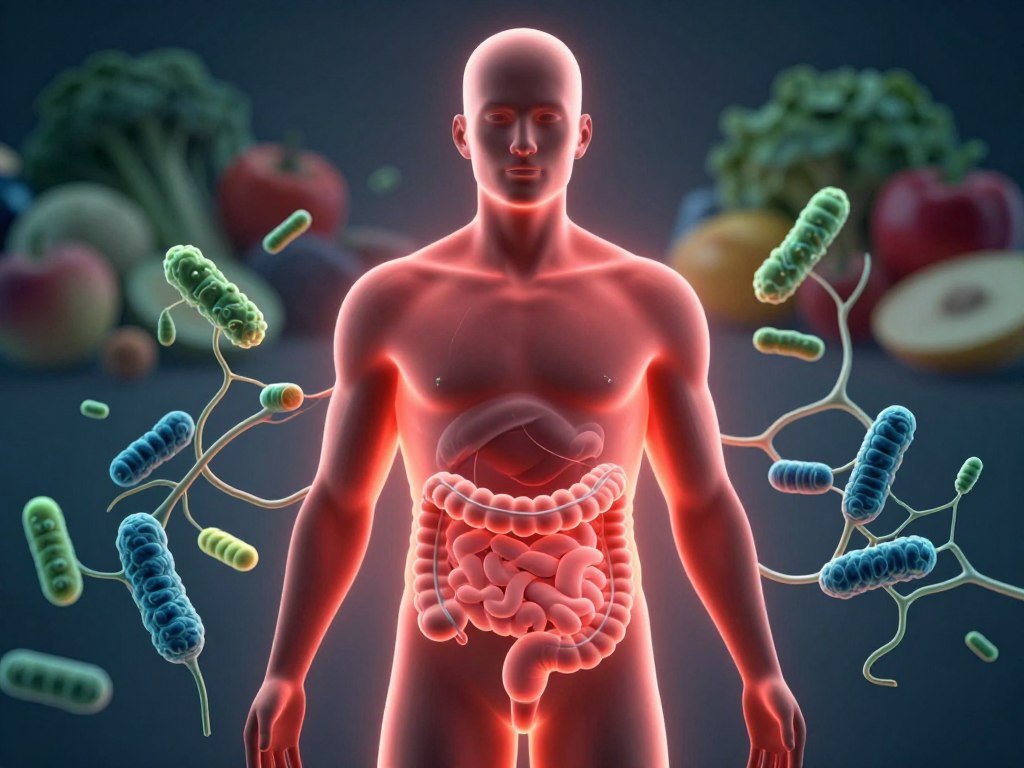
Your digestive tract does more than process food; it serves as a primary gatekeeper for your immune health. When this barrier functions correctly, it keeps harmful substances contained. However, when the lining becomes compromised, the resulting internal stress can derail your entire metabolic process.
Chronic inflammation is often the hidden culprit behind stubborn weight gain. It forces the body into a state of constant defense, which makes burning fat significantly more difficult. By understanding how this process begins, you can take better control of your long-term health.
Leaky Gut Syndrome and Systemic Inflammation
Leaky gut syndrome occurs when the tight junctions in your intestinal wall loosen. This increased permeability allows toxins, bacteria, and undigested food particles to escape into your bloodstream. Once these foreign invaders enter circulation, your immune system identifies them as threats.
This reaction triggers a widespread inflammatory response throughout the body. Because the immune system is constantly working to neutralize these toxins, it creates a state of systemic inflammation. This ongoing stress is a known factor in the development of various inflammatory diseases, including inflammatory bowel disease (IBD).
The consequences of this cycle are far-reaching for your physical well-being. Common effects include:
- Increased fatigue due to constant immune activation.
- Digestive discomfort and bloating after meals.
- Systemic stress that impacts your hormonal balance.
The Connection Between Chronic Inflammation and Insulin Resistance
When your body remains in a state of chronic inflammation, it begins to struggle with how it processes energy. This environment often leads to insulin resistance, where your cells stop responding effectively to insulin. As a result, your blood sugar levels may rise, and your body shifts into a fat-storage mode.
This metabolic dysfunction specifically encourages the accumulation of visceral fat. Unlike subcutaneous fat, visceral fat surrounds your internal organs and releases even more inflammatory chemicals. This creates a vicious cycle that makes weight management feel like an uphill battle.
Addressing this inflammation is a foundational step in any effective metabolic health strategy. By healing the gut lining, you can reduce the number of toxins entering your bloodstream. This shift helps lower systemic inflammation, allowing your metabolism to function more efficiently and supporting your weight loss efforts.
The Impact of Modern Diet on Microbial Balance
What we eat every day serves as the primary architect of our gut health. While our ancestors relied on whole, unprocessed foods, the modern diet has shifted toward convenience and speed. This transition has profound consequences for the trillions of bacteria living within our digestive tracts.
When we consistently choose highly processed options, we inadvertently starve the beneficial microbes that keep us healthy. This lack of diversity can lead to an internal environment where harmful bacteria thrive at the expense of our metabolic well-being.
The Dangers of Ultra-Processed Foods
Ultra-processed foods are often engineered for shelf stability and flavor, but they lack the essential nutrients our gut requires. A major concern is the high content of saturated fats found in these products. These fats can physically impair the integrity of your intestinal barrier.
Specifically, these dietary choices reduce the production of vital proteins like occludin and ZO-1. These proteins act as the “glue” that keeps your intestinal lining tight and secure. When this barrier weakens, it can lead to systemic issues that affect your overall health.
- Reduced microbial diversity in the colon.
- Erosion of the protective mucus layer.
- Increased permeability of the intestinal wall.
- Disruption of healthy metabolic signaling.
Sugar, Artificial Sweeteners, and Microbial Shifts
Excessive sugar intake is another significant disruptor of the gut environment. High levels of refined sugar can feed opportunistic bacteria, allowing them to outcompete the beneficial strains that support your metabolism. This shift often happens rapidly, changing the composition of your microbiome in a matter of days.
Many people turn to artificial sweeteners as a way to cut calories, but these additives may not be as harmless as they seem. Emerging research suggests that certain non-nutritive sweeteners can alter the way your gut bacteria communicate. This can lead to a state of imbalance that makes weight management much more difficult.
By choosing whole, fiber-rich foods instead of processed alternatives, you provide your microbiome with the fuel it needs to flourish. Protecting your internal ecosystem starts with the very next meal you choose to eat.
Essential Nutrients for a Healthy Gut Microbiome
A vibrant and diverse gut microbiome relies heavily on the quality of the food you consume daily. By providing the right substrates, you allow beneficial bacteria to flourish and produce essential metabolites that support your overall health.
The Importance of Prebiotic Fibers
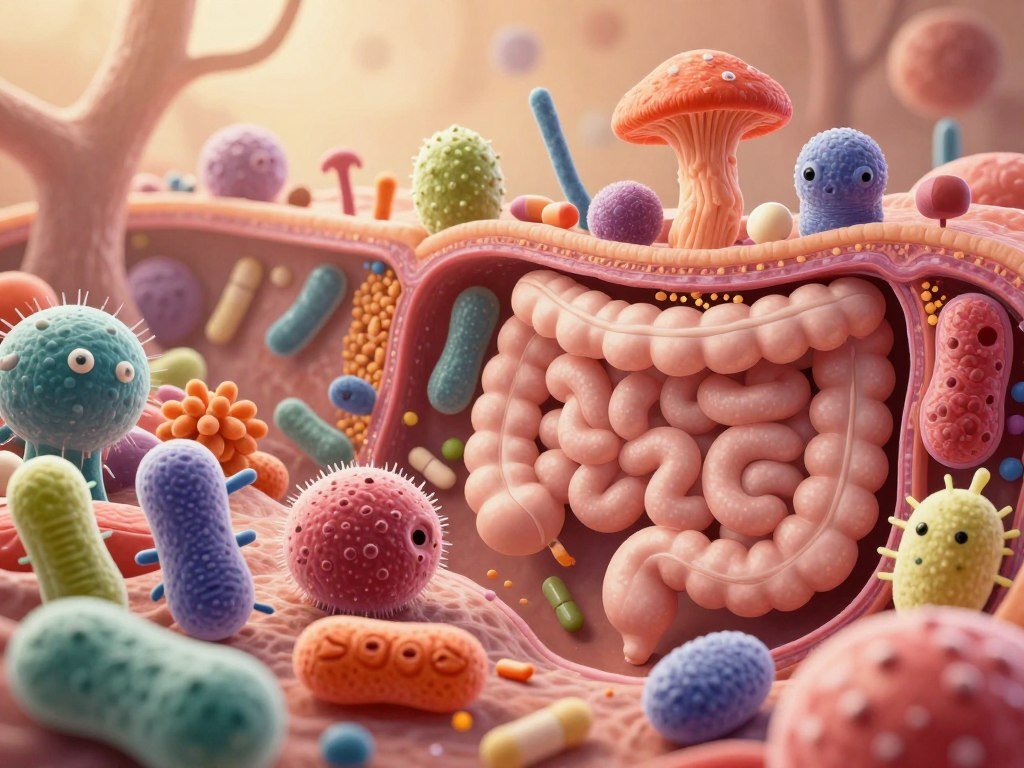
Prebiotic fibers act as the primary fuel source for your internal microbial community. These non-digestible carbohydrates pass through the upper digestive tract and reach the colon, where they are fermented by beneficial bacteria.
Incorporating foods like garlic, onions, leeks, and asparagus into your meals can significantly boost your fiber intake. Consistency is key when it comes to feeding these microbes, as they require a steady supply of nutrients to maintain a balanced environment.
“The food you eat can either be the safest and most powerful form of medicine or the slowest form of poison.”
Fermented Foods and Probiotic Diversity
Adding fermented foods to your diet is a powerful strategy to increase microbial variety. These foods are rich in live cultures that help populate your gut microbiome with diverse, health-promoting strains.
Regular consumption of items like kimchi, sauerkraut, kefir, and miso has been shown to decrease markers of systemic inflammation. This reduction in inflammation is vital for maintaining a healthy metabolism and supporting long-term weight management goals.
You can easily start by adding a small serving of fermented vegetables to your lunch or dinner. Over time, these simple dietary adjustments create a more resilient internal ecosystem that works in harmony with your body’s natural processes.
The Role of Digestive Health in Nutrient Absorption
Achieving your wellness goals requires more than just counting calories; it demands a focus on digestive health. The human gastrointestinal tract serves as a complex system designed to break down food and absorb vital nutrients while simultaneously protecting the body from harmful pathogens. When this system operates at peak performance, your body can effectively fuel its metabolic processes.
Enzymes and Efficient Digestion
Digestion relies heavily on the production of stomach acid and specialized enzymes. These biological catalysts work to dismantle complex proteins, fats, and carbohydrates into smaller, usable molecules. Without adequate enzyme production, your body struggles to extract the essential vitamins and minerals needed for energy regulation.
Supporting your natural enzyme production is a key component of a functional approach to weight management. By ensuring your stomach environment is balanced, you allow for smoother nutrient uptake. This efficiency prevents the body from feeling starved of nutrients, which often leads to increased hunger signals.
How Poor Digestion Contributes to Weight Gain
When digestion is sluggish, food particles may remain undigested as they move through the intestinal tract. These remnants can become a breeding ground for harmful bacteria that thrive on fermentation and decay. This imbalance often triggers systemic issues that make weight management significantly more difficult.
Poor digestive health can lead to a cycle where the body fails to utilize energy correctly, potentially storing more fat than necessary. Addressing these underlying issues helps restore balance to your internal ecosystem. The following table outlines how different digestive states impact your overall metabolic efficiency.
| Digestive State | Nutrient Absorption | Metabolic Impact |
|---|---|---|
| Optimal | High efficiency | Stable energy levels |
| Enzyme Deficient | Reduced uptake | Increased cravings |
| Imbalanced Flora | Poor utilization | Potential weight gain |
Ultimately, prioritizing your digestive health is not just about avoiding discomfort. It is a proactive strategy to ensure your body functions as a well-oiled machine. By optimizing how you process food, you create the right conditions for long-term success.
Lifestyle Factors That Influence Gut Health
Your gut health is not just a product of your diet; it is deeply influenced by how you live, sleep, and manage stress. While nutrition provides the fuel for your microbiome, your daily habits act as the architects of your internal ecosystem. Research on germ-free mice has shown that without proper bacterial stimulation, the immune system fails to develop correctly, leaving the body vulnerable to infection. This highlights just how essential a thriving, diverse microbial community is for your overall well-being.

The Impact of Sleep Quality on Microbial Health
Quality sleep is a fundamental pillar of health that often goes ignored in the pursuit of weight management. Your gut bacteria follow a circadian rhythm, much like your own internal body clock. When you consistently fail to get enough restorative sleep, you disrupt these delicate biological cycles.
This disruption can lead to a decrease in microbial diversity, which is linked to metabolic challenges. By prioritizing a consistent sleep schedule, you provide your gut microbes with the stability they need to function optimally. Consistent, high-quality rest is one of the most effective ways to support a resilient and balanced microbiome.
Stress Management and the Gut Environment
Chronic stress triggers a cascade of physiological responses that can wreak havoc on your digestive system. When you are under constant pressure, your body releases elevated levels of cortisol, which directly impacts the gut environment. This hormonal shift can alter the composition of your bacteria and promote an environment that favors fat storage.
The gut-brain axis ensures that your emotional state is constantly communicated to your digestive tract. Implementing stress-reduction techniques, such as mindfulness, deep breathing, or regular movement, can help lower cortisol levels. By managing your stress, you create a more supportive environment for your beneficial bacteria to thrive, ultimately making it easier to maintain a healthy weight.
Physical Activity and Its Effect on Gut Bacteria
Science shows that regular exercise acts as a catalyst for a more diverse and resilient gut environment. When you move your body, you are not just burning energy; you are actively cultivating a healthier internal ecosystem. Integrating consistent movement is one of the most effective weight loss tips for those looking to improve their metabolic function from the inside out.
Exercise as a Catalyst for Microbial Diversity
Physical activity promotes the growth of beneficial bacteria that are essential for a lean physique. Research indicates that active individuals often possess a wider variety of microbial species compared to those with sedentary lifestyles. This diversity is a key marker of a healthy gut, as it helps regulate how your body processes nutrients and stores fat.
By increasing your heart rate, you improve blood flow to the digestive tract, which can stimulate the production of short-chain fatty acids. These compounds are vital for maintaining a strong gut lining and reducing systemic inflammation. Following these simple weight loss tips, such as brisk walking or cycling, can help you foster a more diverse microbiome naturally.
Balancing Intensity and Recovery for Gut Health
While movement is beneficial, finding the right balance between intensity and recovery is crucial. Overtraining can place significant stress on the body, which may inadvertently disrupt the delicate balance of your gut bacteria. It is important to listen to your body and allow for adequate rest days to ensure your internal environment remains stable.
Focusing on moderate, consistent activity is often more sustainable than sporadic, high-intensity bursts. Recovery periods allow your system to repair and thrive, supporting long-term metabolic health. Incorporating these weight loss tips into your weekly routine will help you maintain a healthy gut-metabolism connection without causing unnecessary physical strain.
Evaluating Gut Health Supplements for Weight Management
If you are looking to optimize your weight management journey, understanding the role of targeted supplements is a smart first step. While whole foods should always be the foundation of your nutrition, gut health supplements can act as a helpful bridge to support your metabolic goals. It is important to remember that these tools work best when paired with a balanced diet rather than replacing it.

Probiotics: Strains That May Support Weight Loss
Not all probiotics are created equal, especially when it comes to influencing body composition. Research suggests that specific strains, such as Lactobacillus gasseri and Bifidobacterium animalis, may help reduce visceral fat and improve metabolic markers. These beneficial bacteria work by modulating the gut environment, which can influence how your body stores energy.
“The health of your microbiome is a dynamic reflection of your lifestyle, and targeted supplementation can provide the extra support needed to restore balance.”
When you begin to lose weight, your microbial diversity often improves naturally. This creates a positive feedback loop where a healthier gut barrier further supports your weight management efforts. Choosing a high-quality probiotic ensures you are introducing the right “allies” to your internal ecosystem.
Prebiotic Supplements: When Are They Necessary?
Prebiotics are essentially the fuel that keeps your beneficial bacteria thriving. While you can get plenty of fiber from vegetables, legumes, and whole grains, some individuals may benefit from gut health supplements in the form of prebiotic powders or capsules. These are particularly useful if your current diet lacks the variety of fibers needed to feed a diverse microbial population.
Consider adding a prebiotic supplement if you notice the following:
- You struggle to meet the daily recommended intake of fiber through whole foods.
- You are recovering from a period of poor digestive health or antibiotic use.
- You want to specifically nourish strains that produce short-chain fatty acids.
Ultimately, the goal is to create an environment where your own microbiome can flourish. By using these supplements as a strategic adjunct to your lifestyle, you provide your body with the necessary resources to function at its best.
Common Myths About Gut Health and Weight Loss
When it comes to your internal ecosystem, popular trends frequently overshadow actual scientific evidence. Many people feel overwhelmed by conflicting advice regarding gut health and weight loss, often leading them toward ineffective solutions. Understanding the difference between marketing hype and biological reality is the first step toward true wellness.
Debunking Quick-Fix Detoxes
The wellness industry is flooded with promises of rapid results through juice cleanses or restrictive detox programs. These methods often claim to “reset” your digestive system, but they lack rigorous clinical backing. In reality, your body already possesses a highly efficient detoxification system managed by your liver and kidneys.
Relying on these temporary fixes can actually disrupt your microbial balance rather than improve it. Sustainable progress requires nourishing your body with diverse, whole foods rather than depriving it of essential nutrients. True improvements in gut health and weight loss come from consistent, long-term habits.
The Truth About One-Size-Fits-All Probiotics
Another common misconception is that a single probiotic supplement can solve everyone’s digestive issues. Because every person hosts a unique microbial ecosystem, a strain that helps one individual may have no effect on another. Your specific needs depend on your diet, genetics, and current bacterial composition.
Taking generic supplements without understanding your own biology is often a waste of time and money. It is far more effective to focus on a varied diet that supports your specific microbial community. By prioritizing personalized nutrition, you can better support your goals for gut health and weight loss.
| Common Myth | Scientific Reality | Impact on Body |
|---|---|---|
| Detoxes reset the gut | Organs handle detox naturally | Minimal long-term benefit |
| One probiotic fits all | Microbiomes are unique | Variable effectiveness |
| Rapid weight loss is healthy | Slow, steady progress lasts | Sustainable metabolic health |
| Supplements replace food | Whole foods provide synergy | Better nutrient absorption |
How to Assess Your Own Gut Health
Have you ever wondered if your digestive system is holding you back from reaching your ideal weight? Understanding your internal ecosystem is a powerful way to unlock the gut health benefits that lead to sustainable weight management. By paying close attention to how your body reacts to different foods and environments, you can begin to identify potential roadblocks to your success.

Recognizing Signs of Microbial Imbalance
Dysbiosis occurs when there is a reduction in microbial diversity or an alteration in the composition of your gut bacteria. This state is frequently linked to challenges with weight loss and metabolic efficiency. You might notice persistent bloating, irregular bowel movements, or unexplained fatigue after meals.
These symptoms often serve as early warning signs that your microbiome needs attention. When your internal balance is disrupted, your body may struggle to process nutrients effectively. Recognizing these signals early allows you to make adjustments before metabolic stalls become a chronic issue.
When to Consult a Healthcare Professional
While self-monitoring is a great start, some issues require a deeper look from a medical expert. If you experience ongoing digestive distress or find that your weight remains stagnant despite healthy habits, it is time to seek professional guidance. A doctor can help you navigate the gut health benefits of targeted diagnostic testing.
Modern medicine offers several tools to help identify hidden barriers to your progress. These may include:
- Food sensitivity panels to identify inflammatory triggers.
- Hormone testing to see how your endocrine system interacts with your gut.
- Comprehensive stool analysis to map your specific microbial diversity.
Working with a professional ensures that your approach to wellness is personalized and safe. By taking a proactive approach, you gain valuable insights into your internal health that can transform your weight loss journey. Remember, your path to better health is unique, and professional support can provide the clarity you need to thrive.
Sustainable Dietary Strategies for Long-Term Weight Management
Long-term weight management is not about restriction, but about nourishing your internal ecosystem. By focusing on whole, fiber-rich foods, you create a foundation for lasting health and metabolic resilience.
Adopting a gut health diet allows you to support your body’s natural processes while feeling satisfied. This approach shifts the focus from counting calories to fueling the diverse microbial communities that regulate your metabolism.
Building a Gut-Friendly Meal Plan
A high-fiber intake is essential for maintaining the integrity of your intestinal mucus barrier. This protective layer acts as a shield, effectively eliminating the risk of pathogen infection and inflammation.
To build a balanced plate, consider incorporating these nutrient-dense staples into your daily routine:
- Legumes and beans: Excellent sources of prebiotic fiber that feed beneficial bacteria.
- Cruciferous vegetables: Broccoli and cauliflower provide the necessary roughage for optimal digestion.
- Whole grains: Oats and quinoa support a stable environment for microbial growth.
- Fermented foods: Sauerkraut or kimchi add live cultures to your digestive tract.
The Role of Consistency in Microbiome Health
Consistency is the most critical factor in maintaining a healthy gut environment. When you provide your body with steady, high-quality nutrients, you prevent the depletion of beneficial bacteria that are vital for effective weight management.
Occasional indulgence is natural, but your baseline habits define your long-term success. By sticking to a consistent gut health diet, you ensure that your microbiome remains diverse and resilient against external stressors.
Small, daily choices compound over time to create significant improvements in your metabolic health. Stay committed to your plan, and your gut will reward you with better energy levels and improved weight control.
The Influence of Antibiotics and Medications on Weight
While antibiotics are life-saving tools, they often leave a lasting footprint on your gut microbiome that affects your weight. These powerful medications are designed to eliminate harmful pathogens, but they frequently struggle to distinguish between “bad” bacteria and the beneficial microbes that keep your metabolism running smoothly.
When your internal ecosystem is disrupted, the balance of your gut flora can shift significantly. This imbalance may persist for months or even years after your treatment ends, potentially altering how your body processes energy and stores fat.

How Antibiotics Disrupt Microbial Communities
Antibiotics act like a scorched earth policy within your digestive tract. By reducing the overall diversity of your microbiome, these drugs can create an environment where opportunistic bacteria thrive at the expense of those that support a healthy weight.
Research suggests that this reduction in microbial diversity is linked to metabolic changes. When specific beneficial strains are wiped out, your body may become less efficient at regulating blood sugar and managing inflammation. This can lead to:
- A decrease in the production of short-chain fatty acids that signal fullness.
- An increase in systemic inflammation that promotes insulin resistance.
- A shift in energy harvest, making it easier for the body to store excess calories.
Mitigating the Effects of Necessary Medications
If you must take antibiotics, you do not have to accept long-term metabolic consequences as an inevitability. Proactive steps can help you protect your gut health and support a faster recovery of your microbial population.
Working closely with your healthcare provider is the most important strategy. You can discuss whether a specific medication is necessary and explore ways to minimize its impact on your digestive system.
Consider these strategies to support your gut during and after a course of treatment:
- Incorporate fermented foods: Foods like yogurt, kefir, and sauerkraut can help reintroduce beneficial bacteria to your system.
- Prioritize prebiotic fibers: Feeding your remaining good bacteria with garlic, onions, and bananas helps them multiply and regain dominance.
- Consult your doctor about probiotics: Ask if a high-quality probiotic supplement is appropriate to help restore balance once your antibiotic course is complete.
By staying informed and intentional, you can maintain your metabolic health even when medical interventions are required. Your gut is resilient, and with the right support, it can bounce back from the challenges posed by modern medicine.
Environmental Factors and Their Hidden Impact
Beyond the food you eat and the exercise you perform, your daily surroundings play a significant role in your overall wellness. Many people overlook the fact that the air they breathe and the surfaces they touch can influence their internal biology. Your home environment acts as a silent partner in shaping your gut health.
“The environment is not just a backdrop for our lives; it is an active participant in our biological processes,” suggests a leading expert in environmental health. By understanding these hidden influences, you can take better control of your metabolic destiny.
The Role of Household Chemicals and Toxins
Common household products often contain synthetic chemicals that may disrupt the delicate balance of your gut microbiota. Ingredients found in conventional cleaning supplies, air fresheners, and even certain plastics can act as endocrine disruptors. When these substances enter your system, they can alter the composition of your beneficial bacteria.
Research indicates that chronic exposure to these environmental stressors may contribute to metabolic resistance. When your gut bacteria are constantly fighting off external toxins, their ability to regulate energy and metabolism can become compromised. Reducing your exposure to these chemicals is a vital step in protecting your microbiome.
How Your Surroundings Shape Your Internal Ecosystem
Your living space is essentially an extension of your internal ecosystem. By making small, intentional changes, you can create a safer environment for your gut flora to thrive. Start by choosing natural, non-toxic cleaning alternatives that are free from harsh synthetic fragrances and dyes.
Improving indoor air quality is another effective strategy for supporting your digestive health. Consider using high-quality air purifiers or simply opening windows to increase ventilation in your home. Consistency in these small habits helps minimize the toxic load on your body.
Ultimately, being mindful of your surroundings allows you to foster a more resilient internal environment. When you remove unnecessary stressors from your home, you provide your gut bacteria with the stability they need to function at their best. Taking these proactive steps is a powerful way to support long-term metabolic health.
Conclusion
Achieving your ideal weight requires looking beyond simple calorie counting. Your gut microbiome acts as the true engine of your metabolic health. Nurturing this internal ecosystem creates a foundation for lasting vitality.
You now possess the knowledge to make informed choices about your daily habits. Small shifts in your diet and lifestyle lead to significant changes in how your body processes energy. Focus on consistency to see real results over time.
View this process as a lifelong commitment to your personal wellness. Every meal and every healthy decision strengthens your internal balance. Start your journey today by prioritizing the health of your gut.
Share your progress with friends or family to stay motivated. Your path toward better metabolic function starts with the very next step you take. Embrace this change and enjoy the benefits of a thriving, healthy body.
FAQ
How exactly are gut health and weight loss connected?
What is the gut-brain axis, and does it cause sugar cravings?
Can a “leaky gut” cause weight gain?
Which foods should I include in a gut health diet?
Are gut health supplements necessary for weight management?
How does exercise improve my gut microbiome?
Can antibiotics lead to long-term weight gain?
Do quick-fix “gut detoxes” actually work?
How do I know if my gut health is improving?
What role does sleep play in gut health and weight loss?
 ✦ Verified Expert
Mahua Dutta
International Yoga Alliance Certified Instructor · Nutrition & Dietetics Advisor · Holistic Health Coach
Mahua is an internationally certified Online Yoga Therapeutic Instructor and Holistic Wellness Coach who blends ancient yogic wisdom with modern wellness science. Her work helps women build balance, strength, inner peace, and sustainable well-being through yoga, mindfulness, nutrition, Ayurveda, and meditation — especially for hormonal health and metabolic transformation.