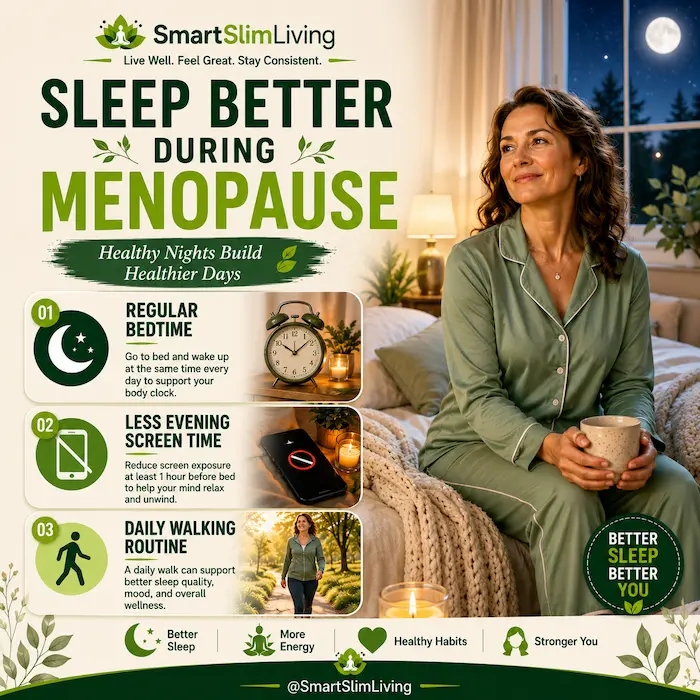
Did you know that nearly 60% of women report significant disruptions in their nightly rest during the midlife transition? A study presented at ENDO 2021 reveals that these disturbances are not just an annoyance; they actively trigger metabolic shifts that predispose women to unwanted body changes.
Understanding how poor sleep causes menopause weight gain is essential for reclaiming your health. When your body misses out on restorative cycles, it struggles to regulate hunger hormones and insulin sensitivity effectively.
This physiological reaction often leads to stubborn menopause weight gain that feels impossible to shed through diet alone. By prioritizing your nightly recovery, you can stabilize your metabolism and navigate this life stage with greater ease.
Key Takeaways
- Sleep disturbances are a primary driver of metabolic changes during midlife.
- Hormonal fluctuations during this transition directly impact your ability to rest.
- Restorative downtime is vital for managing hunger and insulin levels.
- Addressing nighttime habits is a core strategy for long-term wellness.
- Small, consistent adjustments to your routine can lead to significant health improvements.
The Biological Link: How Poor Sleep Causes Menopause Weight Gain
Many women find that their bodies undergo significant changes during midlife, often leading to frustration when the scale refuses to budge. While diet and exercise are frequently blamed, the underlying biological reality is far more complex. Poor sleep effects on the body are profound, particularly when hormonal fluctuations are already stressing your system.
Understanding the Midlife Metabolic Shift
Research indicates that our internal machinery for burning energy changes as we age. Experimental models simulating menopause-related sleep disturbance have shown a significant reduction in the rate at which the body uses fat for fuel. This means that even if your caloric intake remains stable, your body may struggle to process energy efficiently.
This metabolic slowdown is a primary reason how poor sleep causes menopause weight gain. When you are deprived of restorative rest, your cells become less effective at oxidizing fat. Consequently, your body holds onto stored energy rather than utilizing it, making menopause weight gain feel inevitable despite your best efforts.
The Vicious Cycle of Fatigue and Weight Retention
Persistent exhaustion creates a difficult environment for maintaining a healthy lifestyle. When you wake up feeling drained, your motivation to engage in physical activity naturally declines. This lack of movement further slows your metabolism, creating a vicious cycle that promotes additional weight retention.
Furthermore, the poor sleep effects extend to your decision-making processes throughout the day. Fatigue often leads to cravings for high-energy, sugary foods that provide a quick but temporary boost. By addressing your sleep quality, you can break this cycle and support your body’s natural ability to manage menopause weight gain more effectively.
The Hormonal Shift: Estrogen, Progesterone, and Sleep Architecture
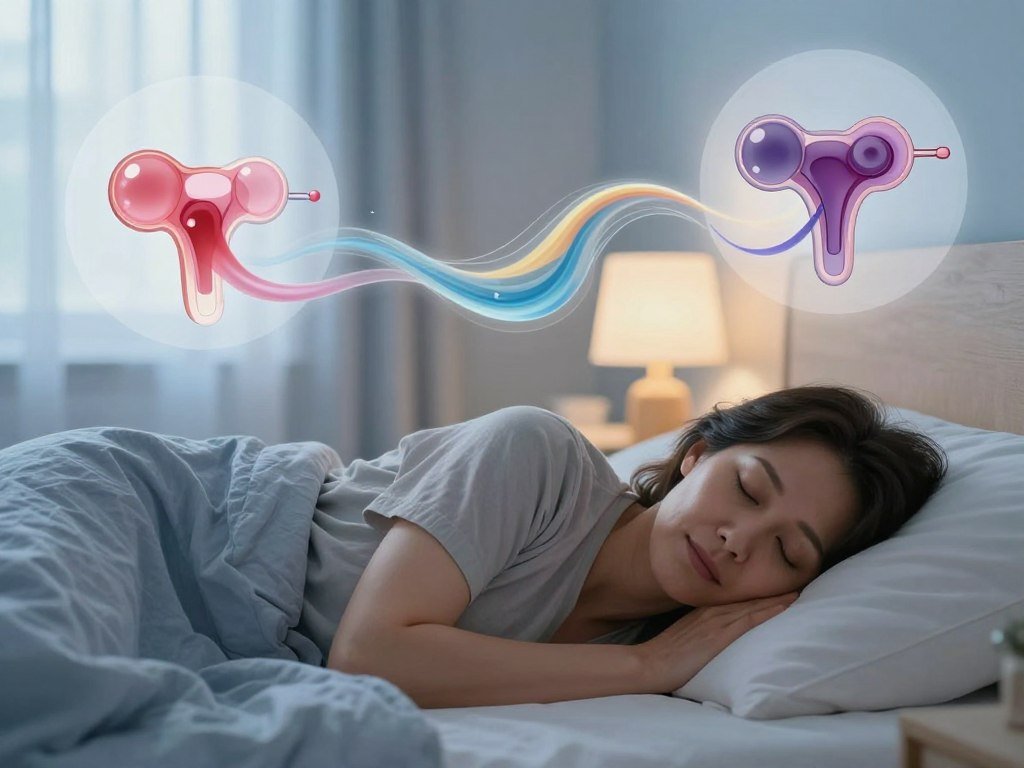
Hormonal fluctuations are the silent architects behind the sleep challenges many women face during their middle years. As your body navigates this transition, these hormonal changes ripple through every system, including the delicate internal clocks that govern your rest.
Understanding these shifts is essential for identifying why your sleep patterns change so drastically. When your body chemistry enters a state of flux, it can feel like your natural rhythm has been completely thrown off balance.
How Declining Estrogen Affects Circadian Rhythms
Estrogen does much more than support reproductive health; it acts as a key regulator for your body’s temperature and circadian rhythms. As levels of this hormone begin to decline, your internal thermostat may struggle to maintain stability throughout the night.
This instability often leads to fragmented sleep, making it difficult to fall asleep or stay asleep for long periods. Many women find that these specific menopause symptoms create a persistent sense of exhaustion that lingers well into the next day.
Progesterone and Its Role as a Natural Sedative
Progesterone is often celebrated for its calming influence on the brain. It works by interacting with GABA receptors, which helps to quiet the nervous system and prepare the body for deep, restorative rest.
When progesterone levels drop, you lose that natural sedative effect that once helped you drift off easily. This reduction significantly impacts your overall sleep architecture, leading to lighter sleep stages and more frequent awakenings. Recognizing these hormonal changes is a vital step in managing common menopause symptoms and finding your way back to a peaceful night of rest.
Metabolic Consequences of Sleep Deprivation
Understanding the metabolic consequences of poor sleep effects is essential for anyone navigating the midlife transition. When you consistently miss out on quality rest, your body struggles to maintain the delicate balance required for healthy weight management.
Restorative sleep acts as a reset button for your internal systems. Without it, your body faces significant challenges in processing energy and regulating vital hormones.
Insulin Sensitivity and Blood Sugar Regulation
One of the most significant impacts of sleep deprivation is how it alters your body’s response to insulin. When you are tired, your cells become less efficient at absorbing glucose from your bloodstream.
This resistance forces your pancreas to work harder, often leading to higher blood sugar levels throughout the day. Over time, this cycle makes it much easier for your body to store fat, particularly around the midsection.
Research highlights the long-term risks associated with these habits. Data from the Nurses’ Health Study revealed that women sleeping 5 hours or less gained 1.14 kg more than those sleeping 7 hours over a 16-year period.
The Impact of Sleep Loss on Resting Metabolic Rate
Beyond blood sugar, sleep deprivation can actively slow down your metabolism. Your resting metabolic rate—the number of calories you burn while at rest—tends to decrease when you are chronically exhausted.
This means your body becomes less efficient at burning fuel, even when you are maintaining a healthy diet. These poor sleep effects create a frustrating environment where weight loss feels like an uphill battle.
Prioritizing your nightly rest is just as important as your exercise routine. By protecting your sleep, you provide your metabolism with the support it needs to function at its best.
The Role of Cortisol and Stress in Midlife Weight Retention
Chronic stress acts as a silent contributor to the weight gain causes many women face today. During the transition to menopause, your body becomes increasingly sensitive to the way it processes daily pressure. This sensitivity often leads to shifts in how you store energy, making it harder to maintain your usual weight.

Cortisol Spikes and Abdominal Fat Storage
When you experience stress, your adrenal glands release a hormone called cortisol. While this is a natural survival mechanism, constant elevation of this hormone can be problematic. High levels of cortisol signal your body to prioritize energy storage, specifically in the abdominal area.
This process is one of the primary weight gain causes that often surprises women in their late 40s and 50s. Even if your diet remains consistent, the hormonal environment created by stress can lead to stubborn fat retention. Your body essentially prepares for a perceived threat by holding onto reserves around your midsection.
Managing the Stress Response During Menopause
Taking control of your stress levels is essential for supporting your metabolic health. By implementing small, consistent changes, you can help lower your cortisol and mitigate its impact on your body composition. Consider these effective strategies to manage your stress response:
- Prioritize restorative sleep: Aim for 7-9 hours to allow your body to reset its hormonal balance.
- Practice mindfulness: Techniques like deep breathing or meditation can lower cortisol spikes throughout the day.
- Engage in gentle movement: Activities like walking, yoga, or swimming help process stress without overtaxing your system.
- Set healthy boundaries: Reducing unnecessary daily pressures can significantly lower your overall stress load.
Learning to regulate your internal environment is a powerful tool in addressing weight gain causes. When you actively manage your stress, you provide your body with the stability it needs to function optimally. Consistency is key, so focus on small habits that you can maintain over the long term.
Ghrelin and Leptin: Why Sleep Loss Triggers Cravings
Have you ever wondered why a restless night leaves you reaching for a sugary donut or a salty snack the next morning? It is not just a lack of willpower; it is a physiological response. Sleep deprivation significantly alters your internal chemistry, making it one of the most overlooked weight gain causes during the menopause transition.
The Hunger Hormones Explained
Your body uses two primary hormones to manage your appetite: ghrelin and leptin. Ghrelin acts as the “go” signal, telling your brain that it is time to eat. Conversely, leptin serves as the “stop” signal, letting you know that you are full and satisfied.
Experimental studies show that when you do not get enough sleep, your serum ghrelin levels spike while leptin levels plummet. This hormonal imbalance creates a constant state of hunger, even if you have already consumed enough calories. Your brain essentially becomes wired to seek out high-energy, calorie-dense foods to compensate for the fatigue.
| Hormone | Function | Effect of Sleep Loss |
|---|---|---|
| Ghrelin | Stimulates appetite | Levels increase significantly |
| Leptin | Signals fullness | Levels decrease sharply |
| Result | Hunger regulation | Increased cravings and overeating |
Overcoming Nighttime Cravings and Emotional Eating
Recognizing these hormonal triggers is the first step toward regaining control. When you feel a sudden urge to snack late at night, pause and ask yourself if you are truly hungry or simply tired. Sleep deprivation often masks itself as a need for a quick energy boost from sugar.
To manage these weight gain causes, try keeping a glass of water nearby or opting for a small, protein-rich snack if you must eat. Mindful eating can help you distinguish between genuine physical hunger and emotional cravings driven by exhaustion. By prioritizing consistent sleep, you can stabilize these hormones and make healthier choices throughout the day.
Common Sleep Disruptors During the Menopause Transition
Achieving restful sleep during the menopause transition often feels like an uphill battle against your own environment. Many women notice that their sleep quality begins to decline as their bodies navigate these hormonal shifts. It is helpful to remember that you are not alone; data shows that only 26% of American adults obtained 8 hours of sleep in 2005, a significant drop from 35% in 1998. By identifying specific menopause symptoms and external triggers, you can take control of your nightly rest.

Environmental Factors Affecting Sleep Quality
Your bedroom should be a sanctuary, but even minor environmental issues can cause significant fragmentation. Light pollution from street lamps or electronic devices can suppress melatonin production, making it harder to fall asleep. Similarly, ambient noise from traffic or household appliances can keep your brain in a state of hyper-arousal.
Temperature control is perhaps the most critical factor for women experiencing night sweats. Keeping your room cool, ideally between 60 and 67 degrees Fahrenheit, helps mitigate the physical discomfort of menopause symptoms. Consider using blackout curtains and white noise machines to create a consistent, soothing atmosphere that protects your sleep quality.
The Influence of Caffeine and Alcohol on Sleep Cycles
While a glass of wine or a late-afternoon coffee might seem like a harmless ritual, these substances often wreak havoc on your sleep architecture. Caffeine acts as a stimulant that can linger in your system for hours, preventing you from reaching deep, restorative stages of sleep. Alcohol may help you fall asleep faster, but it frequently causes fragmented rest and frequent awakenings during the second half of the night.
The following table outlines how common habits impact your ability to maintain a healthy sleep cycle:
| Disruptor | Primary Impact | Recommended Action |
|---|---|---|
| Caffeine | Blocks adenosine receptors | Stop intake by 12:00 PM |
| Alcohol | Reduces REM sleep | Limit to one drink early |
| Blue Light | Suppresses melatonin | Use “Night Mode” on devices |
| Room Heat | Triggers night sweats | Lower thermostat settings |
By making small, intentional adjustments to your evening routine, you can significantly reduce these disruptions. Prioritizing a calm environment and mindful consumption will help you navigate this transition with greater ease and comfort.
The Impact of Night Sweats and Hot Flashes on Sleep Quality
Achieving high-quality sleep becomes a significant challenge when your body temperature fluctuates unexpectedly. Many women navigating this transition report that menopause symptoms often peak during the quiet hours of the night, turning rest into a cycle of frustration.
Vasomotor Symptoms and Sleep Fragmentation
Vasomotor symptoms, commonly known as hot flashes and night sweats, are the primary culprits behind persistent sleep fragmentation. When these episodes occur, they trigger a sudden surge in heart rate and skin temperature, which forces the body to wake up abruptly.
This constant interruption prevents you from cycling through the essential stages of deep, restorative sleep. Over time, this lack of consistent rest can lead to daytime fatigue, irritability, and difficulty concentrating. Your body struggles to regulate its internal thermostat, making it nearly impossible to stay in a deep slumber for more than a few hours at a time.
Cooling Strategies for Better Rest
Managing these menopause symptoms requires a multi-faceted approach to your bedroom environment. By lowering the ambient temperature and choosing the right materials, you can significantly improve your overall sleep quality.
Consider the following adjustments to help your body stay cool and comfortable throughout the night:
- Use moisture-wicking, breathable fabrics like bamboo or cotton for your sheets and pajamas.
- Keep your bedroom temperature between 60 and 67 degrees Fahrenheit.
- Utilize a bedside fan or a cooling mattress pad to dissipate excess body heat quickly.
The table below outlines effective strategies to help you maintain a comfortable sleeping environment and protect your sleep quality.
| Strategy | Primary Benefit | Ease of Implementation |
|---|---|---|
| Breathable Bedding | Reduces moisture buildup | High |
| Cooling Mattress Pad | Regulates surface temperature | Medium |
| Bedside Fan | Improves air circulation | High |
| Layered Sleepwear | Allows for quick adjustments | High |
Psychological Factors: Anxiety and Insomnia in Menopausal Women
Many menopausal women find that their mental well-being and sleep quality are deeply intertwined. During this life stage, the emotional landscape can shift rapidly, often leading to heightened feelings of worry or restlessness. This creates a challenging cycle where emotional distress makes it harder to drift off, while a lack of rest further weakens your ability to manage daily stress.

The Connection Between Mood Swings and Sleep
The relationship between your mood and your sleep is truly bidirectional. When you experience frequent mood swings, your nervous system remains in a state of high alert, which prevents the body from entering a deep, restorative sleep state. Conversely, chronic sleep deprivation often lowers your threshold for frustration and anxiety.
This cycle can feel overwhelming, but recognizing the pattern is the first step toward finding balance. By acknowledging that your racing thoughts are a common symptom of this transition, you can begin to detach from the frustration of being awake. This shift in perspective is essential for breaking the cycle of nighttime anxiety.
Cognitive Behavioral Techniques for Insomnia
Cognitive Behavioral Techniques for Insomnia, commonly known as CBT-I, offer a powerful, non-pharmacological approach to reclaiming your rest. Unlike sleep medications that may cause grogginess, these techniques address the underlying thoughts and behaviors that keep you awake. Many menopausal women have found success by implementing these structured strategies into their nightly routines.
Consider incorporating these proven methods to improve your sleep hygiene and mental clarity:
- Stimulus Control: Use your bed only for sleep and intimacy to strengthen the mental association between your bed and rest.
- Sleep Restriction: Limit the time spent in bed to match your actual sleep time, which helps consolidate your rest and reduces time spent tossing and turning.
- Cognitive Restructuring: Challenge negative thoughts about sleep, such as “I will never get enough rest,” by replacing them with more calm and realistic affirmations.
- Relaxation Training: Practice deep breathing or progressive muscle relaxation to signal to your body that it is time to wind down.
By focusing on these psychological tools, you can gain better control over your sleep patterns. Taking these small, consistent steps helps restore your sense of calm and improves your overall quality of life during this significant transition.
Lifestyle Strategies to Improve Sleep Hygiene
Transforming your bedroom into a sanctuary is a vital step toward better sleep quality. When your body undergoes the hormonal shifts of midlife, your nervous system becomes more sensitive to external disturbances. By intentionally curating your surroundings, you can minimize these interruptions and encourage deeper, more restorative rest.
Creating an Optimal Sleep Environment
Your bedroom should serve as a dedicated space for recovery rather than a multi-purpose room. To improve your sleep quality, focus on these environmental adjustments:
- Temperature Control: Keep your room cool, ideally between 60 and 67 degrees Fahrenheit, to help regulate your body temperature.
- Light Management: Use blackout curtains or an eye mask to eliminate light pollution that can disrupt your natural melatonin production.
- Noise Reduction: Consider using a white noise machine or earplugs to mask sudden sounds that might trigger wakefulness.
- Comfortable Bedding: Invest in breathable, moisture-wicking fabrics to stay comfortable throughout the night.
Establishing Consistent Bedtime Routines
Consistency acts as a powerful signal to your brain that the day has ended. When you follow the same sequence of events every night, your body naturally begins to prepare for sleep, which significantly boosts your overall sleep quality.
Try incorporating these calming habits into your evening schedule:
- Digital Detox: Power down all electronic devices at least one hour before bed to avoid blue light exposure.
- Relaxation Techniques: Practice gentle stretching, deep breathing, or meditation to release physical tension.
- Consistent Timing: Go to bed and wake up at the same time every day, even on weekends, to stabilize your internal clock.
- Reading or Journaling: Engage in quiet, non-stimulating activities that help clear your mind of daily stressors.
These simple lifestyle changes create a reliable rhythm for your body. By prioritizing these habits, you provide yourself with the best possible chance to achieve the restorative rest you deserve during this transition.
Nutritional Approaches to Support Sleep and Weight Management
Fueling your body with the right nutrients can transform your sleep quality and support weight management. During the menopause transition, your body undergoes significant metabolic changes that require a more intentional approach to food. By selecting ingredients that naturally assist your internal clock, you can create a foundation for better rest and improved health.

Foods That Promote Melatonin Production
Certain foods act as natural allies in your quest for a restful night. Incorporating items rich in tryptophan, magnesium, and complex carbohydrates can help your brain produce the melatonin needed for deep sleep. Small, consistent changes to your grocery list often yield the best results.
- Tart cherries: A natural source of melatonin that may help improve sleep duration.
- Almonds and walnuts: These provide magnesium, which helps relax muscles and regulate sleep cycles.
- Complex carbohydrates: Foods like oats or quinoa can help tryptophan enter the brain more efficiently.
- Kiwi: Rich in antioxidants and serotonin, this fruit is a great evening snack option.
“Let food be thy medicine and medicine be thy food.”
Timing Your Meals for Better Metabolic Health
What you eat is only half the battle; when you eat is equally important for your metabolic health. Aligning your meal schedule with your natural circadian rhythm helps your body process energy more efficiently. This strategy is essential for effective weight management as it prevents the body from storing excess energy as fat during the night.
Try to finish your last meal at least three hours before heading to bed. This gap allows your digestive system to settle, reducing the likelihood of acid reflux or discomfort that can fragment your sleep. Prioritizing earlier, nutrient-dense meals keeps your blood sugar stable and reduces the urge for late-night snacking, which often leads to unwanted weight gain.
The Role of Physical Activity in Regulating Sleep and Metabolism
Regular physical activity acts as a powerful regulator for your body’s internal clock and metabolic processes. By incorporating consistent movement into your daily life, you can significantly improve your sleep quality while supporting effective weight management. This holistic approach helps you feel more energized throughout the day and more rested at night.
The Benefits of Strength Training for Menopausal Women
Strength training is particularly transformative for menopausal women. As hormone levels shift, the body naturally begins to lose muscle mass, which can slow down your metabolism. Engaging in resistance exercises helps to counteract this process by building lean muscle tissue.
Beyond metabolic support, lifting weights or using resistance bands offers several key advantages:
- Increased bone density to protect against fractures.
- Improved insulin sensitivity, which helps stabilize blood sugar levels.
- Enhanced functional strength for daily activities.
- Better mood regulation through the release of endorphins.
Finding the Right Balance of Exercise Intensity
While staying active is essential, finding the right balance of intensity is equally important. Pushing your body too hard, especially late in the evening, can sometimes lead to overexertion and interfere with your ability to fall asleep. It is vital to listen to your body and adjust your routine based on your energy levels.
The following table outlines how different levels of intensity can impact your recovery and sleep:
| Intensity Level | Best Time of Day | Primary Benefit |
|---|---|---|
| Low (Walking, Yoga) | Anytime, including evening | Stress reduction |
| Moderate (Brisk walking, Pilates) | Morning or afternoon | Metabolic support |
| High (Heavy lifting, HIIT) | Morning or early afternoon | Muscle growth |
By focusing on consistent, moderate movement, you can support weight management goals without overwhelming your nervous system. Remember that for menopausal women, the goal is to build a sustainable habit that promotes long-term health rather than short-term exhaustion. Prioritizing recovery days is just as important as the time you spend exercising.
When to Seek Professional Help for Sleep Disorders
Recognizing when to seek medical help is a vital step in managing the long-term poor sleep effects that often accompany the menopause transition. While healthy habits are essential, they cannot always resolve deep-seated physiological issues. If you feel that your rest remains elusive despite your best efforts, consulting a healthcare provider is a proactive choice for your well-being.

Identifying Signs of Sleep Apnea
Obesity is a significant risk factor for conditions like sleep apnea, which can severely limit your ability to achieve restorative rest. During midlife, hormonal shifts can change how your body stores fat, potentially increasing the risk of airway obstruction during the night. Chronic sleep deprivation often stems from these undiagnosed breathing interruptions.
Be mindful of these common indicators that suggest you should speak with a doctor:
- Loud, persistent snoring that disrupts your partner.
- Waking up frequently with a gasping or choking sensation.
- Feeling excessively tired or irritable throughout the day.
- Waking up with a dry mouth or a morning headache.
Working with Sleep Specialists and Endocrinologists
When self-care strategies fall short, it is time to involve medical professionals who specialize in midlife health. A sleep specialist can conduct a formal study to determine if your poor sleep effects are caused by apnea or other disorders. They provide the tools necessary to improve your breathing and overall sleep architecture.
Simultaneously, consulting an endocrinologist is a wise move to rule out underlying hormonal imbalances. These experts can evaluate how your thyroid or other metabolic factors contribute to persistent sleep deprivation. By building a dedicated care team, you take control of your health and ensure that you receive the targeted support you deserve.
Medical Interventions and Hormone Replacement Therapy Considerations
If you find that your sleep remains elusive despite your best efforts, it may be time to consult a professional about medical interventions. Persistent symptoms often stem from significant hormonal changes that occur during this life stage. Working with a healthcare provider allows you to explore options that specifically target the root of your discomfort.
Evaluating the Benefits of Hormone Therapy
Hormone Replacement Therapy (HRT) is often considered the gold standard for managing severe vasomotor symptoms like night sweats. By stabilizing estrogen levels, many women experience a significant improvement in sleep architecture and overall mood. Personalized care is essential here, as the benefits must be weighed against individual health history and risk factors.
“The most effective treatment plan is one that is tailored to the unique physiological needs and personal health goals of the individual patient.”
Discussing Non-Hormonal Treatment Options
For those who are not candidates for hormone therapy, several effective non-hormonal alternatives exist. These treatments often focus on addressing specific weight gain causes by stabilizing mood or improving sleep quality through different neurological pathways. Selective serotonin reuptake inhibitors (SSRIs) or other non-hormonal medications can be highly effective in reducing the frequency of hot flashes.
It is important to maintain an open dialogue with your doctor to find the right balance. Understanding the full spectrum of available treatments empowers you to take control of your health journey.
| Treatment Type | Primary Benefit | Best For |
|---|---|---|
| Hormone Therapy | Systemic symptom relief | Severe vasomotor symptoms |
| SSRIs/SNRIs | Mood and hot flash reduction | Non-hormonal preference |
| Lifestyle Coaching | Metabolic support | Addressing weight gain causes |
Conclusion
Achieving lasting wellness during the transition into midlife requires a shift in perspective. You now possess the knowledge to connect your nightly rest to your physical goals. Addressing menopause weight gain starts with small, intentional changes to your daily habits.
Effective weight management is a journey that honors your body’s changing needs. By prioritizing deep, restorative sleep, you provide your metabolism with the support it requires to function at its best. This approach moves beyond simple calorie counting to embrace a holistic view of your health.
Brands like Oura or Fitbit can help you track your sleep patterns to identify areas for improvement. You might find that adjusting your evening routine or consulting with a specialist at the Mayo Clinic provides the clarity you need. Every step you take toward better rest serves as a foundation for your long-term vitality.
Your commitment to self-care today shapes your well-being for years to come. Embrace these strategies to navigate this phase with confidence and grace. You have the power to transform your health by making sleep a non-negotiable part of your routine.
FAQ
How poor sleep causes menopause weight gain specifically?
Can hormonal changes during menopause cause insomnia?
Why do I have intense sugar cravings after a bad night of sleep?
What are the most common menopause symptoms that ruin sleep quality?
Is sleep apnea a common concern for women in midlife?
How can I improve my sleep quality to help with weight management?
When should I see a doctor about my sleep issues and weight gain?
 ✦ Verified Expert
Mahua Dutta
International Yoga Alliance Certified Instructor · Nutrition & Dietetics Advisor · Holistic Health Coach
Mahua is an internationally certified Online Yoga Therapeutic Instructor and Holistic Wellness Coach who blends ancient yogic wisdom with modern wellness science. Her work helps women build balance, strength, inner peace, and sustainable well-being through yoga, mindfulness, nutrition, Ayurveda, and meditation — especially for hormonal health and metabolic transformation.