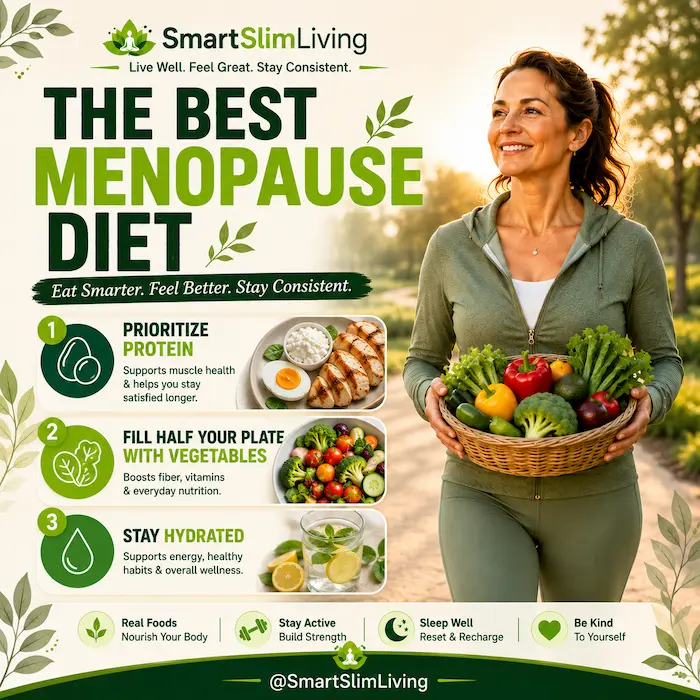
Did you know that 87% of patients experience noticeable changes in their body composition during the transition into midlife? It is a startling statistic, yet it highlights a reality that many women face daily. While this shift feels overwhelming, you should know that gaining extra pounds is not inevitable.
You have more control over your health than you might realize. By shifting your focus toward nutrient-dense choices rather than restrictive fads, you can achieve lasting results. Finding the best menopause diet for sustainable weight loss is about nourishing your body during this unique chapter.
Embracing a balanced approach makes menopause weight loss feel like a positive journey rather than a chore. With the right habits, you can support your metabolism and feel vibrant again. Let’s explore how simple, intentional changes lead to sustainable weight loss that truly fits your lifestyle.
Key Takeaways
- Weight gain affects nearly 9 out of 10 women during the transition.
- You can manage body changes through smart, nutrient-dense food choices.
- Avoid restrictive fads that do not provide long-term health benefits.
- Focusing on whole foods helps regulate your metabolism naturally.
- Small, consistent habits are the secret to achieving your wellness goals.
Understanding the Hormonal Shift and Weight Gain
Understanding the hormonal shifts during menopause is the first step toward reclaiming your metabolic health. Many women notice that their bodies react differently to food and exercise as they enter this new life stage. Adopting a targeted menopause diet can help you navigate these changes with confidence and ease.
The Role of Estrogen in Metabolism
As reproductive hormones decline, the body undergoes a significant metabolic slowdown. Research indicates that the reduction of estrogen causes women to burn approximately 250 to 300 fewer calories per day. This shift often happens without any change in daily activity levels, making weight management feel like an uphill battle.
Because your body requires less energy to function, your previous eating habits may lead to unintended weight gain. Adjusting your intake to match these new energy needs is essential for long-term success. Focusing on high-quality menopause nutrition ensures you provide your body with the fuel it needs without excess calories.
Why Fat Distribution Changes During Menopause
You might notice that weight tends to settle differently than it did in your younger years. Instead of being distributed evenly, fat often accumulates around the midsection. This shift is largely driven by the drop in estrogen, which influences where your body stores energy.
This visceral fat is not just a cosmetic concern; it is metabolically active tissue. It can release inflammatory markers that affect your overall health. Prioritizing nutrient-dense foods helps mitigate this storage pattern and supports a healthier body composition.
The Impact of Insulin Sensitivity
Hormonal changes also affect how your body processes carbohydrates and manages blood sugar. Many women experience a decrease in insulin sensitivity during this transition. When your cells become less responsive to insulin, your body may store more fat and struggle to maintain steady energy levels.
Managing this sensitivity is a cornerstone of an effective menopause diet. By choosing complex carbohydrates and fiber-rich foods, you can stabilize your blood sugar and reduce the risk of developing type 2 diabetes. Consistent menopause nutrition strategies are vital for maintaining metabolic balance during these years.
| Metabolic Factor | Pre-Menopause | Post-Menopause |
|---|---|---|
| Daily Calorie Burn | Higher baseline | Reduced by 250-300 kcal |
| Fat Storage | Peripheral (hips/thighs) | Visceral (midsection) |
| Insulin Sensitivity | Generally stable | Often decreased |
| Primary Goal | Maintenance | Metabolic optimization |
The Best Menopause Diet for Sustainable Weight Loss Principles
Many women search for the best diet for menopause, yet the secret lies in shifting your focus away from restrictive rules. Instead of obsessing over numbers, you should embrace a lifestyle that prioritizes your long-term health and vitality. By adopting a balanced approach, you can navigate this transition with confidence and ease.

Prioritizing Nutrient Density Over Calorie Counting
Focusing strictly on calorie reduction often leads to burnout and nutrient deficiencies. When you choose nutrient-dense foods, you provide your body with the essential vitamins and minerals it needs to function optimally. This shift is a cornerstone of the best menopause diet for sustainable weight loss.
“Let food be thy medicine and medicine be thy food.”
By filling your plate with whole, unprocessed ingredients, you naturally regulate your appetite. This method ensures you feel satisfied while supporting your metabolic health. The following table highlights how to swap common calorie-dense items for nutrient-dense alternatives.
| Category | Calorie-Dense Choice | Nutrient-Dense Alternative |
|---|---|---|
| Snacks | Potato Chips | Roasted Chickpeas |
| Grains | White Bread | Quinoa or Farro |
| Beverages | Sugary Soda | Sparkling Water with Lime |
| Fats | Processed Butter | Fresh Avocado |
The Importance of Protein for Muscle Preservation
As estrogen levels decline, your body naturally begins to lose lean muscle mass. This change can slow your metabolism, making it harder to maintain a healthy weight. Prioritizing protein in every meal is essential to counteract this process and keep your metabolism active.
Protein also plays a vital role in keeping you full for longer periods. By including high-quality sources like lean meats, legumes, or Greek yogurt, you support muscle repair and satiety. This simple habit is a key component of the best diet for menopause.
Balancing Blood Sugar for Hormonal Stability
Fluctuating blood sugar levels can trigger intense cravings and energy crashes throughout the day. When you stabilize your glucose levels, you help your hormones stay in balance, which is crucial during the menopausal years. Consistency is the most effective tool for achieving this stability.
To keep your blood sugar steady, pair carbohydrates with healthy fats or fiber-rich vegetables. This combination slows down the absorption of sugar into your bloodstream. By following these principles, you create a sustainable path toward the best menopause diet for sustainable weight loss that works for your unique body.
Essential Macronutrients for Menopausal Health
Mastering your macronutrient intake is a foundational step in any effective menopause diet. By focusing on the right balance of proteins, fats, and carbohydrates, you can support your changing metabolism and maintain steady energy levels throughout the day.
High-Quality Protein Sources
Protein is vital for preserving lean muscle mass, which naturally tends to decline during midlife. Aiming for 20 to 30 grams of protein at every meal helps keep you feeling full and supports your metabolic rate. Excellent sources include wild-caught salmon, organic chicken, lentils, and Greek yogurt.
Healthy Fats and Hormone Production
Your body requires healthy fats to synthesize hormones effectively. Incorporating sources like avocados, walnuts, chia seeds, and extra virgin olive oil provides the essential fatty acids needed for cellular health. These fats naturally help reduce inflammation and keep your brain sharp during this transition.
Complex Carbohydrates and Fiber Intake
Choosing complex carbohydrates is a key strategy in a sustainable menopause diet. Fiber-rich foods like quinoa, sweet potatoes, and leafy greens prevent blood sugar spikes that often lead to cravings. This steady release of energy is crucial for maintaining hormonal stability and overall well-being.
| Macronutrient | Primary Benefit | Recommended Sources |
|---|---|---|
| Protein | Muscle Preservation | Eggs, Tofu, Lean Meats |
| Healthy Fats | Hormone Synthesis | Flaxseeds, Olive Oil, Avocado |
| Complex Carbs | Blood Sugar Control | Oats, Berries, Legumes |
Micronutrients That Support Menopause Weight Management
Achieving your goals for menopause weight management requires more than just watching calories. As your body transitions, your internal needs shift, making specific vitamins and minerals essential for maintaining a healthy metabolism.
Focusing on these micronutrients helps you feel energized and balanced. By prioritizing nutrient-dense choices, you create a sustainable foundation for your long-term health.
Calcium and Vitamin D for Bone Density
During the menopausal years, bone health becomes a top priority due to declining estrogen levels. Calcium is the primary building block for strong bones, but it cannot do the job alone.
Vitamin D improves calcium absorption in the body, which is vital for maintaining bone density and preventing osteoporosis. Getting enough of these two nutrients is a cornerstone of any effective weight loss diet during this stage of life.

Magnesium for Sleep and Stress Reduction
Many women find that sleep quality and stress levels fluctuate significantly during menopause. Magnesium acts as a natural relaxant, helping to calm the nervous system and improve your ability to fall asleep.
When you are well-rested, your body is better equipped to manage hunger hormones and cravings. Incorporating magnesium-rich foods like leafy greens, nuts, and seeds can be a game-changer for your daily routine.
B Vitamins for Energy Metabolism
B vitamins, particularly B6 and B12, are essential for converting the food you eat into usable energy. These nutrients support your metabolic rate, which often slows down as you age.
By ensuring your intake of B vitamins is adequate, you can combat the fatigue that often accompanies hormonal shifts. This boost in energy makes it much easier to stay active and committed to your menopause weight management plan.
The Role of Anti-Inflammatory Foods
Fighting inflammation through your diet is a cornerstone of healthy eating during menopause. As your hormones shift, your body may become more susceptible to systemic inflammation, which can hinder weight loss efforts and impact your overall energy levels.
By choosing the right foods, you can calm this internal fire and support your metabolic health. Making these adjustments is a proactive step toward feeling your best every single day.
Focusing on Whole, Unprocessed Ingredients
The foundation of an anti-inflammatory lifestyle involves prioritizing whole, unprocessed foods. Highly processed items often contain hidden sugars and unhealthy fats that trigger inflammatory responses in the body.
Instead, fill your kitchen with ingredients in their natural state. This simple shift helps stabilize your blood sugar and provides the essential nutrients your body craves during this transition.
- Fresh, seasonal vegetables
- Whole grains like quinoa and oats
- Legumes and pulses
- Lean, unprocessed proteins
The Benefits of Omega-3 Fatty Acids
Omega-3 fatty acids are essential fats that play a critical role in reducing inflammation. These healthy fats are particularly beneficial for maintaining heart and brain health, which are vital areas of focus for healthy eating during menopause.
You can easily incorporate these fats into your daily meals by choosing high-quality sources. Consider adding these items to your grocery list:
- Fatty fish: Salmon, mackerel, and sardines are excellent choices.
- Walnuts: A perfect snack for heart-healthy fats.
- Chia seeds: These can be sprinkled over yogurt or added to smoothies.
Antioxidant-Rich Fruits and Vegetables
Aging and hormonal changes can lead to increased cellular damage, but antioxidants act as your body’s natural defense system. These powerful compounds neutralize free radicals and help protect your cells from oxidative stress.
Focus on eating a colorful variety of produce to ensure you get a wide spectrum of protective nutrients. Berries, leafy greens, and cruciferous vegetables are excellent allies in your journey toward better health. By consistently choosing these vibrant foods, you support your body’s ability to recover and thrive.
Hydration Strategies for Metabolic Health
Staying hydrated is one of the simplest yet most effective ways to support your metabolic health during menopause. As your body undergoes hormonal shifts, maintaining proper fluid balance becomes essential for reducing bloating and keeping your energy levels steady. Consistent hydration helps your systems function at their best every single day.

Water Intake and Appetite Regulation
Drinking water before meals is a powerful tool for managing your weight. Research suggests that consuming a glass of water shortly before you eat can increase feelings of satiety, which naturally helps you control portion sizes. This simple habit is a highly effective strategy to prevent overeating during your main meals.
Beyond appetite control, water is vital for flushing out toxins and supporting digestion. When you are well-hydrated, your body is better equipped to process nutrients efficiently. Aim to keep a reusable bottle nearby to ensure you reach your daily goals without much effort.
Limiting Sugary Beverages and Alcohol
While water is your best friend, other drinks can often work against your goals. Sugary sodas, sweetened coffees, and energy drinks can cause rapid spikes in blood sugar, leading to energy crashes and unwanted weight gain. These beverages often provide empty calories that offer no nutritional value to your body.
Alcohol is another factor to consider, as it can trigger hot flashes and disrupt your sleep quality. Many women find that reducing their intake of alcohol leads to noticeable improvements in their overall comfort and metabolic function. Choosing healthier alternatives will help you stay on track with your wellness journey.
Herbal Teas That Support Digestion
Herbal teas offer a soothing, calorie-free way to stay hydrated while providing specific health benefits. Ingredients like ginger, peppermint, and fennel are well-known for their ability to calm the digestive system and reduce discomfort. These warm infusions can be a comforting ritual during a busy day.
Incorporating these teas into your routine is an excellent way to replace less healthy options. They provide a moment of mindfulness while supporting your body’s natural processes. Below is a quick guide to help you choose the best beverages for your daily needs.
| Beverage Type | Metabolic Impact | Best Time to Consume |
|---|---|---|
| Plain Water | High (Boosts Satiety) | Before every meal |
| Herbal Tea | Moderate (Aids Digestion) | After meals or evening |
| Sugary Soda | Negative (Spikes Insulin) | Avoid entirely |
| Alcohol | Negative (Triggers Hot Flashes) | Limit or eliminate |
Meal Planning for Busy Lifestyles
Simple preparation strategies make healthy eating during menopause much more manageable. When your schedule is packed, having a plan prevents you from reaching for convenient but less nutritious options. By dedicating a small amount of time each week to organization, you empower yourself to stay consistent with your wellness goals.
Batch Cooking and Preparation Tips
Batch cooking is a powerful tool for success. Spend a few hours on Sunday roasting vegetables, boiling grains like quinoa, or grilling lean proteins. Having these staples ready in your refrigerator allows you to assemble meals in minutes.
Focus on hitting your fiber goals by keeping pre-washed greens and legumes on hand. Aiming for 25 to 30 grams of fiber daily helps regulate digestion and keeps you feeling full longer. Preparation is the secret to avoiding the mid-week slump.
Building a Balanced Plate
Every meal should be an opportunity to nourish your body. A balanced plate includes a high-quality protein source, a generous serving of fiber-rich vegetables, and a portion of healthy fats. This combination is essential for healthy eating during menopause because it stabilizes blood sugar levels throughout the day.
“Success is the sum of small efforts, repeated day in and day out.”
Try to fill half your plate with colorful vegetables, one-quarter with lean protein, and one-quarter with complex carbohydrates. This simple visual guide ensures you get the nutrients you need without the stress of constant calorie counting.
Navigating Dining Out During Menopause
Socializing should remain a joy, not a source of anxiety. You can enjoy dining out while still prioritizing healthy eating during menopause by making informed choices. Look for menu items that feature grilled, steamed, or roasted preparations rather than fried options.
Don’t be afraid to ask for modifications, such as having dressings served on the side. Focus on mindful enjoyment of your meal rather than restriction. By planning ahead and knowing your preferences, you can maintain your progress while still enjoying time with friends and family.
Managing Cravings and Emotional Eating
Understanding why you reach for certain foods can transform your approach to health. During this life transition, many women notice that their appetite fluctuates due to hormonal changes. Mastering menopause weight management requires more than just counting calories; it involves tuning into your emotional needs.

Identifying Triggers for Hunger
Often, the urge to eat is not driven by physical hunger but by emotional cues. You might find yourself reaching for snacks when you feel stressed, tired, or bored. Keeping a simple food journal can help you spot these patterns over time.
When you feel the sudden urge to eat, pause for a moment. Ask yourself if you are truly hungry or if you are simply seeking comfort. Identifying these triggers is a powerful step in effective menopause weight management.
Mindful Eating Practices
Mindful eating encourages you to slow down and savor every bite. By removing distractions like television or smartphones, you become more aware of your body’s natural satiety signals. This practice helps prevent overeating and fosters a healthier relationship with your meals.
Try to chew your food slowly and notice the textures and flavors. When you eat with intention, you are less likely to experience the guilt often associated with emotional eating. This shift in perspective is a cornerstone of sustainable menopause weight management.
Healthy Alternatives to Comfort Foods
You do not have to give up your favorite flavors to stay on track. Incorporating protein and fiber-rich foods helps keep cravings at bay by promoting a sense of fullness. These nutrients stabilize your blood sugar, preventing the crashes that lead to intense hunger.
Consider the following swaps to satisfy your cravings while supporting your health goals:
| Craving | Common Comfort Food | Healthy Alternative |
|---|---|---|
| Sweet | Milk Chocolate | Dark Chocolate (70%+) with Almonds |
| Crunchy | Potato Chips | Roasted Chickpeas or Air-Popped Popcorn |
| Creamy | Full-Fat Ice Cream | Greek Yogurt with Fresh Berries |
| Savory | Processed Crackers | Hummus with Raw Vegetable Sticks |
By choosing these nutrient-dense options, you satisfy your palate without derailing your progress. Remember that consistency is more important than perfection. Embracing these small changes will support your long-term success in menopause weight management.
The Connection Between Sleep and Weight Loss
Achieving your goals for menopause weight loss often starts in the bedroom rather than the kitchen. While many focus exclusively on diet and exercise, the quality of your rest plays a massive role in how your body processes energy. When you are well-rested, your metabolism functions more efficiently, making it easier to maintain a healthy weight.
How Sleep Deprivation Affects Hunger Hormones
Lack of sleep acts as a major disruptor for your hormonal balance. When you do not get enough rest, your body produces more ghrelin, which is the hormone that signals hunger. Simultaneously, levels of leptin—the hormone responsible for making you feel full—begin to drop.
This hormonal imbalance creates a perfect storm for unwanted cravings, particularly for sugary and high-calorie foods. If you find yourself reaching for snacks late at night, it may be your body’s desperate attempt to find quick energy due to exhaustion. Prioritizing sleep is a non-negotiable step for successful menopause weight loss.
Creating a Bedtime Routine for Better Rest
Establishing a consistent wind-down routine can significantly improve your sleep quality. Try to dim the lights an hour before bed and avoid screens, as blue light can interfere with your natural melatonin production. Engaging in calming activities like reading or gentle stretching helps signal to your brain that it is time to rest.
Consistency is key, so try to go to bed and wake up at the same time every day. Creating a cool, dark, and quiet environment will also help you stay asleep longer. These small changes can lead to better energy levels throughout the day, which supports your overall menopause weight loss journey.
Managing Night Sweats Through Diet
Night sweats are a common hurdle that can severely disrupt your sleep cycles. Certain dietary choices can trigger these episodes, making it harder to get the rest you need. Avoiding spicy foods, caffeine, and alcohol in the evening can help reduce the frequency and intensity of these symptoms.
Focusing on hydration and eating balanced meals earlier in the day can also stabilize your body temperature. By making these adjustments, you can minimize sleep interruptions and keep your metabolism on track. The following table outlines how specific habits influence your nightly rest and weight management efforts.
| Habit | Impact on Sleep | Effect on Weight |
|---|---|---|
| Consistent Bedtime | Improves circadian rhythm | Supports metabolic rate |
| Late Night Snacking | Increases insulin spikes | Promotes fat storage |
| Evening Alcohol | Reduces REM sleep | Slows fat burning |
| Hydration Balance | Reduces night sweats | Optimizes energy levels |
Physical Activity as a Complement to Nutrition
While nutrition provides the foundation for health, physical activity acts as the catalyst for lasting change. Combining a balanced diet with regular movement helps you manage weight more effectively during the hormonal shifts of menopause. When you move your body, you support your metabolism and improve your overall sense of well-being.

Strength Training for Metabolic Rate
Muscle mass naturally declines as estrogen levels drop, which can slow down your resting metabolic rate. Strength training is the most effective way to counteract this loss and keep your metabolism firing efficiently. By lifting weights or using resistance bands, you signal your body to maintain and build lean muscle tissue.
You do not need to spend hours in a gym to see results. Incorporating resistance exercises just two or three times a week can make a significant difference. Focus on compound movements that engage multiple muscle groups, such as:
- Squats or chair sits
- Push-ups against a wall or on the floor
- Lunges or step-ups
- Resistance band rows
The Benefits of Low-Impact Cardiovascular Exercise
Cardiovascular health remains a top priority during and after menopause. Low-impact activities allow you to improve your heart health without putting excessive stress on your joints. These exercises are gentle yet highly effective for burning calories and improving circulation.
Consider adding these activities to your weekly routine to keep your heart strong:
- Brisk walking in your neighborhood
- Swimming or water aerobics
- Cycling on a stationary or outdoor bike
- Yoga or Pilates classes
Consistency Over Intensity
Many people fall into the trap of thinking that exercise must be grueling to be effective. In reality, consistency is far more important than high-intensity bursts that lead to burnout or injury. Aiming for at least 150 minutes of moderate-intensity exercise per week is a sustainable goal for most women.
You can easily break this time into smaller, manageable chunks throughout the day. A brisk 20-minute walk after dinner or a short morning yoga session counts toward your weekly total. By choosing activities you genuinely enjoy, you are much more likely to stick with your routine for the long term.
Common Pitfalls in Menopause Weight Loss
Achieving successful menopause weight loss requires more than just willpower; it demands a smart, sustainable strategy. Many women feel frustrated when traditional methods stop working during this life transition. By identifying common mistakes, you can adjust your approach to ensure long-term success and vitality.
The Dangers of Extreme Calorie Restriction
It is tempting to slash calories drastically to see the scale move faster. However, dropping below 1,200 calories per day often triggers a metabolic slowdown. Your body perceives this severe deficit as a survival threat, causing it to conserve energy rather than burn fat.
This approach frequently leads to muscle loss, which further lowers your resting metabolic rate. Instead of extreme restriction, focus on nutrient-dense foods that keep you satisfied. Sustainable menopause weight loss is built on consistency, not deprivation.
Ignoring the Importance of Gut Health
Your digestive system plays a massive role in how you process nutrients and manage inflammation. Many people overlook the gut microbiome when trying to lose weight. A healthy gut supports hormonal balance, which is essential during the menopausal years.
To support your gut, consider these simple habits:
- Incorporate fermented foods like yogurt, kefir, or sauerkraut.
- Increase your intake of prebiotic fibers found in garlic, onions, and bananas.
- Stay hydrated to help fiber move through your digestive tract efficiently.
Over-Reliance on Supplements
While vitamins can fill gaps, they should never replace a balanced diet. Relying solely on pills or powders for menopause weight loss often leads to missing out on the synergistic benefits of whole foods. Real food provides fiber, phytonutrients, and water that supplements simply cannot replicate.
Think of supplements as an insurance policy, not the foundation of your nutrition. Prioritize whole, unprocessed ingredients to give your body the fuel it truly needs. When you nourish your body correctly, you create the best environment for lasting health.
Sustainable Lifestyle Habits Beyond the Plate
True wellness during menopause extends far beyond your daily meal choices. While nutrition is a vital pillar, your overall environment and mental state play a significant role in achieving sustainable weight loss. By adopting a holistic approach, you can create lasting changes that support your body through this transition.

Stress Management and Cortisol Levels
Chronic stress triggers the release of cortisol, a hormone that can lead to increased abdominal fat storage. When your body remains in a state of high alert, it often craves high-calorie comfort foods, making it harder to maintain your goals. Managing your stress is not just about relaxation; it is a biological necessity for metabolic health.
Consider incorporating these simple practices into your daily routine to keep cortisol levels in check:
- Practice deep breathing exercises for five minutes each morning.
- Engage in gentle movement like yoga or walking in nature.
- Prioritize hobbies that bring you genuine joy and mental clarity.
The Role of Social Support Systems
Embarking on a health journey can feel isolating, but you do not have to do it alone. Building a strong social support system provides the encouragement needed to stay consistent during challenging weeks. Sharing your experiences with friends or family members can reduce the emotional burden of lifestyle changes.
Whether it is joining a local walking group or finding an online community, connection is key. Surrounding yourself with people who value health will naturally reinforce your own positive habits. Supportive relationships act as a buffer against the stress that often leads to emotional eating.
Tracking Progress Without Obsessing Over the Scale
The number on the scale is only one small data point and often fails to capture your true progress. Focusing too much on daily fluctuations can lead to unnecessary frustration and burnout. Instead, look for signs of sustainable weight loss that reflect your improved quality of life.
Try tracking your success using these non-scale metrics:
- Notice how your clothes fit and feel throughout the day.
- Monitor your energy levels and mood stability.
- Track your consistency with exercise and healthy meal preparation.
By shifting your focus to these indicators, you foster a healthier relationship with your body. Remember that patience and self-compassion are the most important tools in your long-term wellness toolkit.
Adapting Your Diet to Changing Needs
As you navigate the hormonal shifts of midlife, your daily nutritional needs will naturally fluctuate. A rigid approach often fails because life is rarely static, and your body requires different fuel depending on your daily demands. Embracing a flexible menopause diet allows you to stay consistent while honoring your body’s unique requirements.
Adjusting Portions Based on Activity Levels
Your energy expenditure changes from day to day, so your intake should reflect that reality. On days when you are highly active, your body may require more complex carbohydrates to sustain your performance. Conversely, on sedentary days, focusing on nutrient-dense vegetables and lean proteins helps maintain metabolic balance.
Tracking your progress via a food diary is a powerful tool to identify mindless eating and nutritional gaps. By recording what you eat, you can see how specific meals impact your energy levels and mood. This data helps you make informed adjustments to your menopause nutrition plan without feeling restricted.
Listening to Your Body Signals
True health comes from learning to interpret the signals your body sends throughout the day. Instead of following strict calorie counts, pay attention to genuine hunger cues versus emotional triggers. Mindful eating encourages you to slow down and appreciate the satiety that comes from high-quality, whole foods.
If you find yourself constantly craving sugar or feeling fatigued, your body might be signaling a need for better blood sugar management. Adjusting your intake of fiber and healthy fats can often resolve these issues. Staying adaptable ensures that your menopause diet remains a sustainable lifestyle rather than a temporary fix.
When to Consult a Registered Dietitian
Sometimes, the complexity of hormonal changes requires a more personalized touch. If you feel stuck despite your best efforts, a registered dietitian can provide tailored guidance. They help translate the science of menopause nutrition into actionable steps that fit your specific health history.
Consider seeking professional support if you experience persistent digestive issues, unexplained weight plateaus, or specific nutrient deficiencies. A qualified expert can help you navigate these challenges with confidence. They ensure your plan evolves alongside your changing health needs.
| Activity Level | Primary Focus | Portion Adjustment |
|---|---|---|
| Low (Sedentary) | Fiber & Hydration | Reduce carb density |
| Moderate (Active) | Balanced Macros | Maintain standard portions |
| High (Intense) | Protein & Recovery | Increase complex carbs |
Evidence-Based Approaches to Long-Term Success
Choosing the best diet for menopause involves looking at patterns that truly support your changing body. When you rely on scientific evidence, you can feel confident that your chosen weight loss diet will provide lasting results. These strategies focus on metabolic health rather than temporary fixes.
The Mediterranean Diet Approach
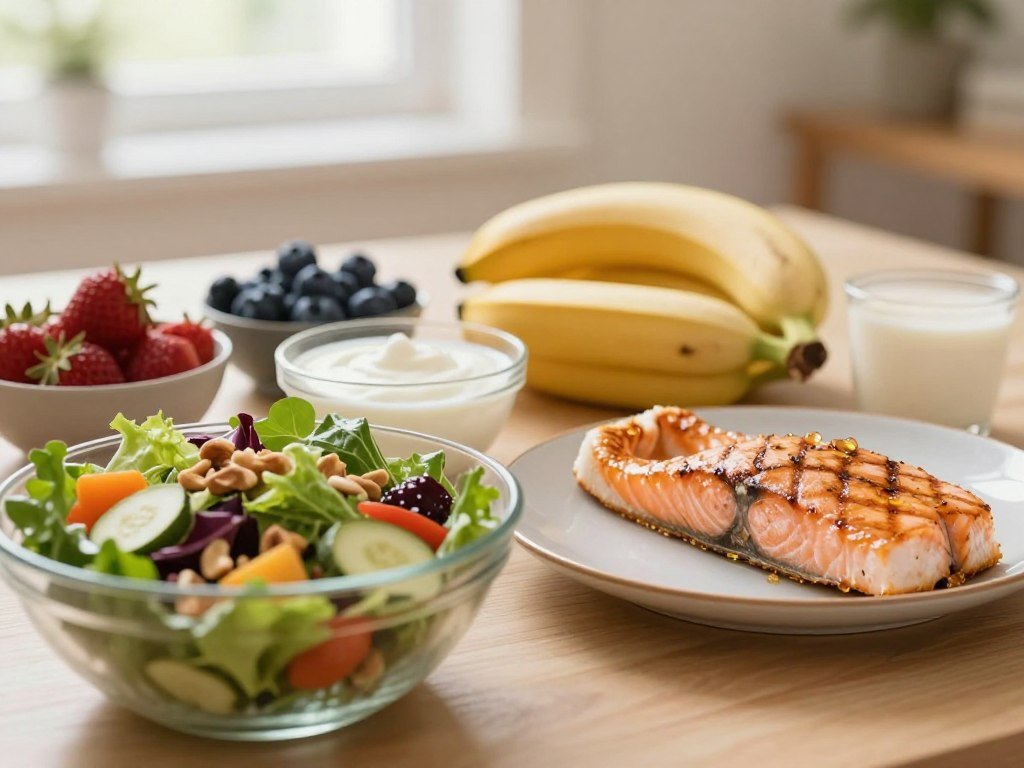
The Mediterranean diet is widely considered one of the most effective ways to manage weight during midlife. It emphasizes healthy fats, lean proteins, and plenty of fiber-rich vegetables. Research shows that this approach helps women lose fat mass while effectively maintaining muscle.
Intermittent Fasting Considerations
Intermittent fasting has gained popularity as a tool for metabolic flexibility. By restricting your eating window, you may improve insulin sensitivity and support natural fat burning. However, it is important to consider your personal energy needs before starting this practice.
- Focus on nutrient-dense foods during your eating window.
- Ensure you are getting enough protein to protect your muscle mass.
- Listen to your body to avoid excessive fatigue or stress.
Plant-Forward Eating Patterns
Adopting a plant-forward lifestyle can be a powerful way to enhance your overall health. This pattern prioritizes whole grains, legumes, nuts, and seeds as the foundation of your meals. Choosing this path often leads to better digestion and improved heart health, which are vital during the menopausal transition.
Ultimately, the best diet for menopause is one that you can sustain for the long term. Whether you choose the Mediterranean style or a plant-forward approach, consistency remains the key to success. By focusing on high-quality ingredients, you create a weight loss diet that nourishes your body and supports your vitality.
Conclusion
Navigating the hormonal shifts of midlife requires a shift in perspective. You possess the power to transform your health by focusing on nutrient-dense foods rather than restrictive habits. A sustainable menopause meal plan centers on high-quality protein, fiber, and healthy fats to keep your metabolism steady.
True wellness comes from listening to your body and honoring its changing needs. You can feel strong and energized by choosing whole ingredients that support your long-term vitality. This journey is about building a lifestyle that celebrates your strength at every stage.
Your commitment to balanced nutrition creates a foundation for lasting success. Implementing a consistent menopause meal plan helps you manage energy levels and maintain a healthy weight with ease. Trust in your ability to thrive during this transition.
Small, intentional choices lead to significant results over time. You have all the tools necessary to feel vibrant and balanced. Start your path toward a healthier future today by prioritizing your well-being with every meal you prepare.
FAQ
What exactly is the best diet for menopause weight loss?
Why is it so hard to achieve sustainable weight loss after 50?
Should I follow a specific menopause meal plan to see results?
How does healthy eating during menopause improve other symptoms like hot flashes?
What are the top tips for menopause weight management?
Can I lose weight without doing high-intensity exercise?
How important is fiber in a weight loss diet during midlife?
 ✦ Verified Expert
Mahua Dutta
International Yoga Alliance Certified Instructor · Nutrition & Dietetics Advisor · Holistic Health Coach
Mahua is an internationally certified Online Yoga Therapeutic Instructor and Holistic Wellness Coach who blends ancient yogic wisdom with modern wellness science. Her work helps women build balance, strength, inner peace, and sustainable well-being through yoga, mindfulness, nutrition, Ayurveda, and meditation — especially for hormonal health and metabolic transformation.