
Did you know that nearly 70% of women experience significant body composition changes during midlife? It often feels like your body has suddenly changed the rules, leaving you frustrated with traditional weight management methods that no longer work.
The hormonal shifts occurring during this transition mean that standard calorie restriction is rarely the answer. In fact, restrictive habits can often backfire, slowing your metabolism further and increasing stress levels.
The good news is that you can regain control of your metabolic health. By focusing on sustainable lifestyle adjustments rather than temporary fixes, you can support your body through this change. Learning how to lose menopause belly fat without extreme dieting is about kindness, consistency, and evidence-based strategies that honor your unique physiology.
Key Takeaways
- Understand that hormonal changes shift how your body stores energy.
- Prioritize nutrient-dense foods over simple calorie counting.
- Incorporate strength training to boost your natural metabolic rate.
- Manage cortisol levels to reduce midsection inflammation.
- Focus on long-term wellness instead of quick, unsustainable results.
Understanding the Hormonal Shift Behind Belly Fat
Understanding the biology behind your changing shape is the first step toward feeling like yourself again. Many women notice that their bodies react differently to food and exercise as they enter the transition of menopause. This is not a failure of willpower, but rather a natural physiological shift that requires new, science-backed fat-burning strategies.
The Role of Estrogen Decline
During perimenopause and menopause, the ovaries significantly reduce their production of estrogen and progesterone. These hormones play a vital role in regulating your metabolism and maintaining muscle mass. When levels drop, your body undergoes several key changes:
- A natural decrease in resting metabolic rate.
- A gradual loss of lean muscle tissue.
- Increased sensitivity to insulin, which can promote storage.
Because muscle is more metabolically active than fat, losing it means your body burns fewer calories at rest. This shift makes it harder to manage menopause belly fat using the same methods that worked in your thirties or forties. Recognizing these changes allows you to adjust your approach with kindness and precision.
Why Fat Storage Shifts to the Midsection
Your body is incredibly smart, and it often shifts fat storage to the abdominal area as a protective mechanism during hormonal transitions. When estrogen levels are low, the body looks for alternative ways to maintain hormonal balance. Unfortunately, this often results in the accumulation of visceral fat around the midsection.
This type of fat is biologically active and can influence your overall health. By focusing on fat-burning strategies that prioritize muscle preservation and metabolic health, you can counteract these natural tendencies. You deserve to feel strong and confident in your body, regardless of the hormonal season you are navigating.
Setting Realistic Expectations for Sustainable Weight Loss
Your journey to managing menopause belly fat is about much more than just a number on a bathroom scale. Many women find that their bodies respond differently to diet and exercise during this transition, making it essential to adjust your goals. Focusing on how you feel rather than just your weight can lead to a much more positive experience.

Moving Beyond the Scale
It is helpful to remember that even a modest reduction in weight can have a profound impact on your long-term health. Research shows that dropping just 5 to 10 percent of your body weight can significantly improve your metabolic profile. This small change helps reduce the risk of chronic conditions like cardiovascular disease and type 2 diabetes.
Instead of obsessing over daily fluctuations, try tracking these non-scale victories to stay motivated:
- Your clothes fitting more comfortably around the waist.
- Increased energy levels throughout the afternoon.
- Better quality of sleep and improved mood stability.
- Greater stamina during your daily walks or workouts.
The Dangers of Extreme Caloric Restriction
While it might be tempting to slash your calories to see faster results, this approach is often counterproductive. Extreme dieting can trigger a stress response in the body, which may actually make it harder to lose menopause belly fat. When you deprive your body of necessary nutrients, your metabolism may slow down to conserve energy.
Sustainable weight loss requires a balanced approach that nourishes your body rather than punishing it. Patience and consistency are far more effective than aggressive, short-term tactics that are difficult to maintain. By choosing a moderate, sustainable path, you protect your metabolic health and set yourself up for lasting success.
Prioritizing Protein for Metabolic Health
Many women find that adjusting their protein intake is one of the most effective fat-burning strategies during menopause. As your body undergoes hormonal changes, your metabolism naturally slows down, making it harder to maintain your previous physique. By focusing on high-quality protein, you provide your body with the essential building blocks needed to stay strong and energized.
Why Protein Needs Increase During Menopause
During this life stage, your body becomes less efficient at building muscle, a process known as sarcopenia. Preserving lean muscle mass is vital because muscle tissue burns more calories at rest than fat tissue does. When you consume enough protein, you support your metabolic rate and make it much easier to lose belly fat over time.
Experts suggest pairing a protein-rich diet with 150 minutes of moderate-intensity physical activity each week. Additionally, incorporating two days of muscle-strengthening exercises will help you maximize your results. This combination ensures that your body remains a calorie-burning machine even as your hormones shift.
Best Sources of Lean Protein for Women
Choosing the right protein sources is just as important as the amount you eat. You should aim for lean options that provide high nutritional value without excessive saturated fats. Integrating these foods into your daily meals will help you feel fuller for longer periods, reducing the urge to snack on processed items.
| Protein Source | Serving Size | Benefits |
|---|---|---|
| Greek Yogurt | 1 cup | High in probiotics and calcium |
| Chicken Breast | 3 ounces | Low fat, high amino acid profile |
| Lentils | 1/2 cup | Excellent plant-based fiber source |
| Wild Salmon | 3 ounces | Rich in heart-healthy Omega-3s |
By making these simple dietary swaps, you can implement sustainable fat-burning strategies that fit your lifestyle. Remember that consistency is key when you want to lose belly fat and improve your overall metabolic health. Focus on whole, unprocessed foods to give your body the best chance at success.
The Power of Fiber in Managing Insulin Sensitivity
A simple shift in your nutrition can help you lose belly fat effectively and naturally. When you focus on fiber, you are not just eating for digestion; you are actively working to improve your body’s insulin sensitivity.
Stable blood sugar levels are essential for preventing the body from storing excess energy as abdominal fat. By choosing the right carbohydrates, you can keep your metabolism running smoothly throughout the day.

How Fiber Keeps You Full Longer
Fiber acts as a natural brake on your digestion. Because it slows down the absorption of sugar into your bloodstream, it prevents the sharp insulin spikes that often lead to fat storage.
This process is incredibly effective for appetite control. When you feel satisfied for longer periods, you are far less likely to reach for unnecessary snacks, which makes it much easier to lose belly fat without feeling deprived.
Incorporating Whole Grains and Legumes
Adopting a Mediterranean-style approach is a fantastic way to boost your fiber intake while supporting a healthy balance of gut flora. You do not need to overhaul your entire kitchen overnight to see results.
Start by swapping refined white bread for hearty whole grains like quinoa, farro, or steel-cut oats. Adding a serving of lentils, chickpeas, or black beans to your salads or soups is another simple strategy to lose belly fat while increasing your daily nutrient density.
- Whole Grains: Choose minimally processed options like brown rice or barley.
- Legumes: Keep canned beans on hand for quick additions to any meal.
- Vegetables: Aim for a variety of colors to ensure a diverse fiber profile.
How to Lose Menopause Belly Fat Without Extreme Dieting Through Mindful Eating
Many women find that shifting their mindset is the secret to how to lose menopause belly fat without extreme dieting. Instead of focusing on what you must cut out, mindfulness encourages you to focus on how you consume your meals. This gentle approach helps you build a sustainable lifestyle that supports your body through hormonal changes.
Recognizing Emotional Hunger vs. Physical Hunger
Learning to distinguish between true physical hunger and emotional cravings is a game-changer. Emotional hunger often arrives suddenly and demands specific comfort foods, while physical hunger builds gradually and is satisfied by a variety of nutritious options.
To stay on track, consider these simple ways to check in with yourself before you reach for a snack:
- Pause and breathe: Take a moment to ask if you are truly hungry or just feeling stressed or bored.
- Check your body: Physical hunger usually presents as a growling stomach or a drop in energy.
- Wait ten minutes: If the craving is emotional, it will often pass once your attention shifts to another activity.
The Importance of Slowing Down During Meals
When you eat too quickly, your brain does not have enough time to register that you are full. By slowing down, you allow your body to send clear satiety signals, which prevents overeating. This practice is a cornerstone for those learning how to lose menopause belly fat without extreme dieting.
Try these habits to make your meals more intentional:
- Put down your utensils: Resting your fork between bites forces you to chew thoroughly and enjoy your food.
- Remove distractions: Turn off the television and put away your phone to focus entirely on your meal.
- Engage your senses: Notice the colors, textures, and flavors of your food to increase your satisfaction.
By practicing these mindful techniques, you create a healthier relationship with your plate. This consistency is far more effective than any temporary fix, helping you manage your weight with kindness and patience.
Optimizing Sleep Quality for Fat Loss
Achieving natural weight loss often starts long before you step into the kitchen or the gym. While diet and exercise are vital, the quality of your sleep acts as the foundation for your metabolic health. During menopause, hormonal shifts can make restful nights feel elusive, yet prioritizing sleep is essential for managing body composition.

The Connection Between Sleep Deprivation and Cortisol
When you do not get enough sleep, your body enters a state of stress. This lack of rest triggers an increase in cortisol, the primary stress hormone. Elevated cortisol levels encourage the body to store fat, particularly around the midsection, which is a common concern during this life stage.
Furthermore, sleep disruption significantly increases ghrelin, a hormone that signals hunger to your brain. This hormonal imbalance makes it much harder to resist cravings and stick to your natural weight loss goals. When you are tired, your body naturally seeks quick energy, often leading to poor food choices throughout the day.
Creating a Bedtime Routine for Better Rest
Establishing a consistent evening ritual can signal to your brain that it is time to wind down. Start by dimming the lights an hour before bed and avoiding screens, as blue light can interfere with melatonin production. Creating a calm environment helps lower your heart rate and prepares your body for deep, restorative sleep.
Consider these simple habits to improve your sleep hygiene and support your natural weight loss journey:
- Keep your bedroom cool and dark to promote better sleep cycles.
- Establish a fixed bedtime to regulate your internal body clock.
- Incorporate relaxation techniques like reading or gentle stretching before sleep.
- Limit caffeine and heavy meals in the late afternoon and evening.
| Sleep Habit | Impact on Metabolism | Result for Weight |
|---|---|---|
| Consistent Schedule | Regulates Hormones | Supports Weight Loss |
| Late Night Snacking | Increases Insulin | Promotes Fat Storage |
| Screen Time Before Bed | Disrupts Melatonin | Increases Hunger |
Strength Training as a Non-Negotiable Strategy
Strength training serves as a vital pillar for anyone looking to maintain a healthy metabolism after forty. As hormone levels shift, the body naturally begins to lose muscle mass, which can slow down your daily calorie burn. By prioritizing resistance work, you can counteract these changes and support natural weight loss effectively.
Building Muscle to Boost Resting Metabolism
Muscle tissue is metabolically active, meaning it requires more energy to maintain than fat tissue. When you increase your muscle mass, your body burns more calories even while you are resting. This process is one of the most reliable fat-burning strategies available for women navigating hormonal transitions.
Focusing on building strength helps stabilize your body composition. Instead of just focusing on the number on the scale, you are actively changing how your body stores energy. This shift is essential for keeping your metabolism running efficiently throughout the day.
Simple Home Exercises for Beginners
You do not need expensive equipment or a gym membership to start seeing results. Many effective movements use your own body weight to challenge your muscles and improve your core stability. Incorporating Pilates-inspired movements is particularly helpful, as these exercises target the deep core muscles where menopausal weight often settles.
Try adding these simple movements to your weekly routine to enhance your fat-burning strategies:
- Planks: Hold a straight-arm or forearm plank for 30 seconds to engage your entire core.
- Bodyweight Squats: Perform three sets of ten repetitions to strengthen your legs and glutes.
- Wall Push-ups: A gentle way to build upper body strength without straining your joints.
- Glute Bridges: Lie on your back and lift your hips to activate your posterior chain.
Consistency is the key to success when you are pursuing natural weight loss. Start with just two or three sessions per week and gradually increase the intensity as you feel stronger. By making these movements a habit, you are investing in your long-term health and physical confidence.
Managing Stress to Lower Cortisol Levels
Chronic stress is often an overlooked factor when discussing the challenges of menopause weight loss. During this transition, your body becomes more sensitive to external pressures, which can disrupt your hormonal balance. When you feel overwhelmed, your system reacts in ways that make maintaining a healthy weight much harder.

The Impact of Chronic Stress on Abdominal Fat
When you experience persistent stress, your adrenal glands release a hormone called cortisol. While cortisol is necessary for survival, having too much of it for long periods encourages your body to store fat specifically in the abdominal region. This visceral fat is not just a cosmetic concern; it is metabolically active and can interfere with your overall health.
High cortisol levels often lead to cravings for high-calorie, sugary comfort foods. This cycle creates a difficult environment for successful menopause weight loss. By recognizing how your mental state influences your physical body, you can begin to take control of your habits.
Effective Stress-Reduction Techniques
Incorporating simple, daily practices can help lower your cortisol levels and support your wellness journey. You do not need hours of free time to see results. Even small, consistent changes can make a significant difference in how your body manages fat storage.
- Deep Breathing: Taking five minutes to focus on slow, rhythmic breaths can calm your nervous system instantly.
- Mindful Movement: Activities like yoga or gentle stretching help release physical tension stored in the muscles.
- Meditation: Practicing mindfulness helps you detach from stressful thoughts, reducing the “fight or flight” response.
The following table outlines how different techniques can assist in your menopause weight loss efforts by managing daily stress levels effectively.
| Technique | Primary Benefit | Time Required | Impact Level |
|---|---|---|---|
| Deep Breathing | Immediate Calm | 2-5 Minutes | High |
| Yoga | Flexibility & Focus | 20-30 Minutes | Moderate |
| Meditation | Mental Clarity | 10-15 Minutes | High |
| Nature Walks | Cortisol Reduction | 30 Minutes | Moderate |
Hydration and Its Role in Metabolism
Staying hydrated is one of the simplest yet most effective ways to support your body during the transition of menopause. When your body is well-hydrated, it can process nutrients more efficiently and maintain a steady metabolic rate. This simple habit is a cornerstone of successful menopause weight loss.
Water Intake and Appetite Regulation
Many people mistake thirst for hunger, leading to unnecessary snacking throughout the day. By drinking enough water, you can help your brain distinguish between actual physical hunger and simple dehydration. This practice is essential for keeping your caloric intake in check without feeling restricted.
“Water is the driving force of all nature. Proper hydration is the foundation upon which all other metabolic processes are built.”
Drinking a glass of water before meals can also create a sense of fullness. This helps you manage portion sizes naturally, which is a key strategy for sustainable menopause weight loss. Keeping a reusable bottle nearby serves as a helpful reminder to sip consistently.
Healthy Alternatives to Sugary Beverages
Sugary drinks like sodas, sweetened teas, and fruit juices often contain hidden calories that stall progress. Replacing these with healthier options can significantly lower your daily sugar intake. Consider the following swaps to keep your hydration levels high and your metabolism happy:
| Instead of | Try This | Benefit |
|---|---|---|
| Sweetened Soda | Sparkling Water with Lime | Zero calories |
| Fruit Juice | Infused Water with Berries | Natural flavor |
| Sweetened Coffee | Herbal Iced Tea | Antioxidant boost |
Focusing on these small, consistent changes makes a big difference over time. By choosing water or unsweetened herbal teas, you support your menopause weight loss goals while keeping your body refreshed. Remember, every glass of water is a step toward a healthier, more energized version of yourself.
The Truth About Alcohol and Menopause Weight Gain
If you are struggling with stubborn midsection weight, your nightly cocktail might be a hidden culprit. During menopause, your body undergoes significant hormonal shifts that make it much more sensitive to external factors like alcohol. Prioritizing belly fat reduction requires a closer look at how these beverages influence your metabolic health.

How Alcohol Affects Fat Burning
When you consume alcohol, your body prioritizes breaking down the toxins in the drink over burning stored fat. This process effectively pauses your metabolic rate, making it harder to shed those extra pounds around your midsection. Your liver essentially shifts its focus, which can lead to increased fat storage rather than energy expenditure.
“Alcohol is a metabolic disruptor that can stall your progress, especially when your body is already navigating the hormonal complexities of midlife.”
Furthermore, alcohol often contains empty calories that provide little nutritional value. These calories can quickly add up, contributing to weight gain without offering the satiety that comes from whole foods. By understanding this mechanism, you can make more informed decisions to support your belly fat reduction goals.
Strategies for Reducing Alcohol Consumption
Reducing your intake does not mean you have to sacrifice your social life or enjoyment. Start by setting clear boundaries, such as limiting alcohol to weekends or special occasions only. You might find that replacing your usual drink with a sparkling water infused with fresh lime or berries provides a refreshing alternative.
Consider these practical tips to help you cut back:
- Choose smaller portions: Opt for a smaller glass to naturally pace your consumption.
- Practice the “one-for-one” rule: Drink a full glass of water between every alcoholic beverage.
- Focus on quality over quantity: If you choose to drink, savor a high-quality option slowly rather than consuming multiple drinks.
Making these small, consistent changes can significantly improve your metabolic health. Staying mindful of your habits is a powerful tool for long-term success and effective belly fat reduction.
Navigating Social Situations and Dining Out
Social gatherings often revolve around food, but you can still prioritize your wellness without missing out on the fun. Maintaining your focus on belly fat reduction does not mean you must become a hermit or avoid your favorite local spots. By planning ahead, you can enjoy the company of friends while staying aligned with your health goals.
Making Smart Choices at Restaurants
When you arrive at a restaurant, take a moment to scan the menu for nutrient-dense options. Look for dishes that feature lean proteins like grilled chicken, fish, or tofu paired with plenty of roasted vegetables. Prioritizing fiber and protein helps keep you satisfied, which is a key component of successful belly fat reduction.
Do not be afraid to ask for modifications, such as having dressings or sauces served on the side. Many chefs are happy to accommodate requests like steaming vegetables instead of sautéing them in heavy oils. Small adjustments often lead to significant improvements in your overall caloric intake without sacrificing flavor.
| Common Dish | Healthier Swap | Benefit |
|---|---|---|
| Creamy Pasta | Grilled Salmon with Asparagus | Higher protein, lower refined carbs |
| Fried Appetizers | Fresh Garden Salad | Increased fiber intake |
| Sugary Cocktails | Sparkling Water with Lime | Reduced empty calories |
Handling Peer Pressure Around Food
It is common to feel social pressure when others encourage you to indulge in extra drinks or heavy desserts. Remember that your health journey is personal, and you have the right to set boundaries that serve your well-being. A simple, polite “No thank you, I am feeling great with what I have” is usually enough to deflect unwanted attention.
“True social connection is built on shared experiences and conversation, not just the food on our plates. You can nourish your body and your relationships simultaneously.”
Focusing on the conversation rather than the menu can help shift your mindset away from food-centric anxiety. When you feel confident in your choices, you will find that belly fat reduction becomes a natural part of your lifestyle rather than a restrictive chore. Stay consistent, stay kind to yourself, and enjoy the vibrant social life you deserve.
The Role of Supplements and Medical Consultation
Achieving a healthy weight loss journey during menopause sometimes involves looking beyond diet and exercise alone. While lifestyle habits form the foundation of your well-being, medical guidance can provide the extra support needed to navigate hormonal changes effectively. It is important to view these tools as part of a holistic approach rather than a quick fix.

When to Talk to Your Doctor About Hormone Therapy
Many women inquire about hormone therapy (HT) as a potential solution for midsection weight gain. It is essential to understand that HT is not designed specifically for weight loss. Instead, it serves to balance hormones that have declined during this transition.
By stabilizing these levels, HT may help redistribute fat from the midsection to peripheral sites. Furthermore, it can indirectly support your goals by improving sleep quality and boosting overall energy levels. If you feel that your symptoms are hindering your progress, schedule a consultation with your healthcare provider to discuss if this path is right for you.
Common Supplements That May Support Metabolic Health
Beyond medical interventions, many women explore evidence-based supplementation to assist their metabolic health. When pursuing healthy weight loss, it is vital to choose high-quality products that align with your specific needs. Always prioritize supplements that have been vetted for safety and efficacy.
Common options often include magnesium for sleep support, vitamin D for bone and metabolic health, and omega-3 fatty acids to manage inflammation. Always consult with a medical professional before starting any new supplement regimen to ensure it does not interfere with existing medications. Integrating these elements thoughtfully can be a powerful way to sustain your healthy weight loss efforts over the long term.
Tracking Progress Without Obsession
True transformation during menopause is often hidden in the small, daily victories that improve your quality of life. When you focus solely on a number, you may miss the significant improvements happening within your body. Embracing a healthy weight loss mindset means looking at the bigger picture of your physical and mental well-being.
Using Non-Scale Victories to Measure Success
Non-scale victories are the true markers of your progress. You might notice that your clothes fit more comfortably or that you have more energy to get through your afternoon tasks. These changes indicate that your body is responding positively to your new habits.
Better sleep quality and a more stable mood are also powerful indicators of success. When you stop obsessing over the scale, you reduce unnecessary mental strain. This shift allows you to appreciate the sustainable results that come from consistent, mindful choices.
The Benefits of Journaling Your Habits
Keeping a journal is an excellent way to track your journey without relying on a scale. By recording your daily habits, you can identify patterns that contribute to your overall healthy weight loss goals. Writing things down helps you stay accountable and provides a clear view of your growth over time.
Consistency is the foundation of long-term success. When you document your meals, movement, and stress levels, you gain valuable insights into what works best for your unique body. This practice transforms your approach from a rigid diet into a sustainable lifestyle that supports your health for years to come.
Building a Supportive Environment for Long-Term Success
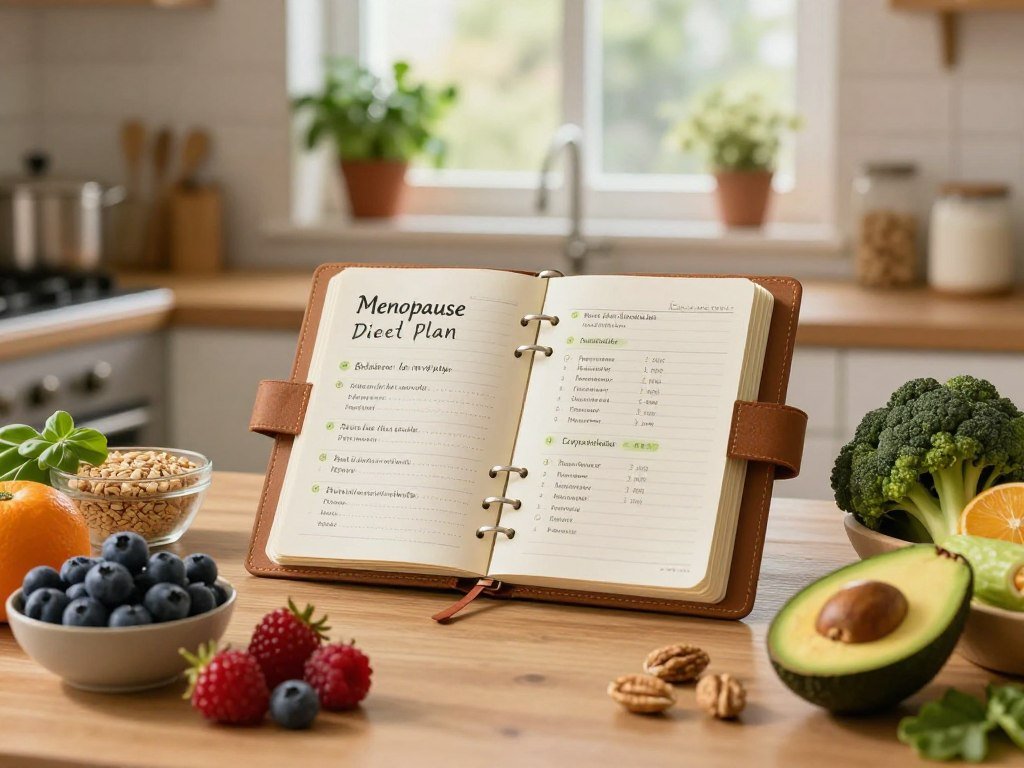
Sustaining a healthy lifestyle during menopause requires more than just willpower; it requires a supportive environment. When you commit to a menopause diet plan, having people who understand your specific challenges can make all the difference. Surrounding yourself with positive influences helps you stay focused on your long-term wellness goals.
Finding Community and Accountability
Isolation often makes the transition through menopause feel much heavier than it needs to be. Connecting with others who are navigating similar hormonal shifts provides a sense of belonging and shared understanding. Whether you join a local walking group or an online forum, these communities offer a safe space to exchange tips and encouragement.
Accountability is another powerful tool for maintaining your progress. Partnering with a friend who is also following a menopause diet plan can keep you motivated on days when your energy is low. You can share healthy recipes, celebrate small wins, and keep each other on track with your fitness routines.
Overcoming Setbacks with Self-Compassion
Even with the best intentions, setbacks are a natural part of any health journey. It is essential to remember that one missed workout or an unplanned meal does not erase your hard work. Instead of falling into a cycle of guilt, practice self-compassion to maintain your momentum.
Treat yourself with the same kindness you would offer a dear friend in your position. When you view a slip-up as a learning opportunity rather than a failure, you build the resilience needed for lasting change. Staying consistent with your menopause diet plan is much easier when you approach your body with patience and grace.
Conclusion
Managing your body during this transition is about balance rather than restriction. You possess the power to shape your well-being through intentional daily habits. A sustainable menopause diet plan serves as a roadmap for long-term vitality.
Focus on nourishing your body with whole foods and consistent movement. These small shifts create lasting changes in your metabolic health. You deserve to feel strong and confident as you navigate this new chapter of life.
Your worth remains independent of the number on a scale. Prioritize self-love and patience while you implement your personalized menopause diet plan. Every positive choice you make builds a foundation for a vibrant future.
Stay curious about what makes your body feel its best. Reach out to supportive communities or professionals when you need extra guidance. You are capable of achieving your health goals with grace and determination.
FAQ
Can I really lose belly fat during menopause without going on a strict diet?
Why is strength training better than cardio for fat-burning strategies in midlife?
Are there specific foods I should avoid to see a belly fat reduction?
How does sleep impact menopause weight loss?
Should I take supplements to help with my menopause weight loss journey?
 ✦ Verified Expert
Mahua Dutta
International Yoga Alliance Certified Instructor · Nutrition & Dietetics Advisor · Holistic Health Coach
Mahua is an internationally certified Online Yoga Therapeutic Instructor and Holistic Wellness Coach who blends ancient yogic wisdom with modern wellness science. Her work helps women build balance, strength, inner peace, and sustainable well-being through yoga, mindfulness, nutrition, Ayurveda, and meditation — especially for hormonal health and metabolic transformation.