
Did you know that nearly 65% of women notice a significant shift in their waistline during midlife? This change often feels sudden, yet it stems from complex biological transitions.
Understanding women’s health menopause requires looking at hormonal fluctuations. Estrogen levels drop, causing your body to store energy differently.
You are not alone in this struggle. Grasping the science behind menopause belly fat empowers you to take control. You can move past frustration toward effective, evidence-based habits.
Key Takeaways
- Hormonal shifts significantly alter metabolic rates during midlife.
- Abdominal weight gain is a common physiological response to lower estrogen.
- Shifting focus from self-blame to biology improves mental well-being.
- Evidence-based strategies provide a clear path for managing body composition.
- Navigating these changes requires patience plus consistent lifestyle adjustments.
Understanding the Hormonal Shift
Many women notice a sudden change in their waistline, which is directly linked to the complex dance of hormones and belly fat. As you navigate the menopause transition, your body undergoes a profound chemical transformation that impacts your metabolism. Recognizing these signals is the first step in working with your body rather than against it.
The Decline of Estrogen and Its Metabolic Consequences
Estrogen plays a vital role in how your body stores energy. During your younger years, this hormone encourages fat storage in the hips and thighs to support reproductive health. As levels naturally decline during menopause, the body shifts its strategy for fat distribution.
This transition often causes fat to migrate toward the abdomen. This change is not merely a cosmetic concern; it represents a fundamental shift in how your system processes energy. Understanding the link between hormones and belly fat helps demystify why traditional diet and exercise methods may suddenly feel less effective.
How Progesterone Fluctuations Affect Body Composition
Progesterone levels also drop significantly during this phase of life. This hormone acts as a natural diuretic and helps maintain a sense of calm within the body. When progesterone levels fall, many women experience increased water retention and heightened sensitivity to stress.
These fluctuations can make your midsection feel bloated and less firm. By keeping a close eye on how hormones and belly fat interact, you can better manage these physical changes. Staying informed allows you to make proactive choices that support your long-term metabolic health.
The Science Behind Menopause Belly Fat
The science behind menopause belly fat reveals why your waistline changes during this transition. Many women find that their usual diet and exercise routines no longer yield the same results as they once did. It is a common experience that often leaves people feeling confused and discouraged.
Visceral Fat vs. Subcutaneous Fat
To manage your health effectively, you must first understand the two types of fat that accumulate in the abdominal area. Subcutaneous fat is the layer located just beneath your skin. This is the soft, pinchable tissue that you can easily grab with your fingers.
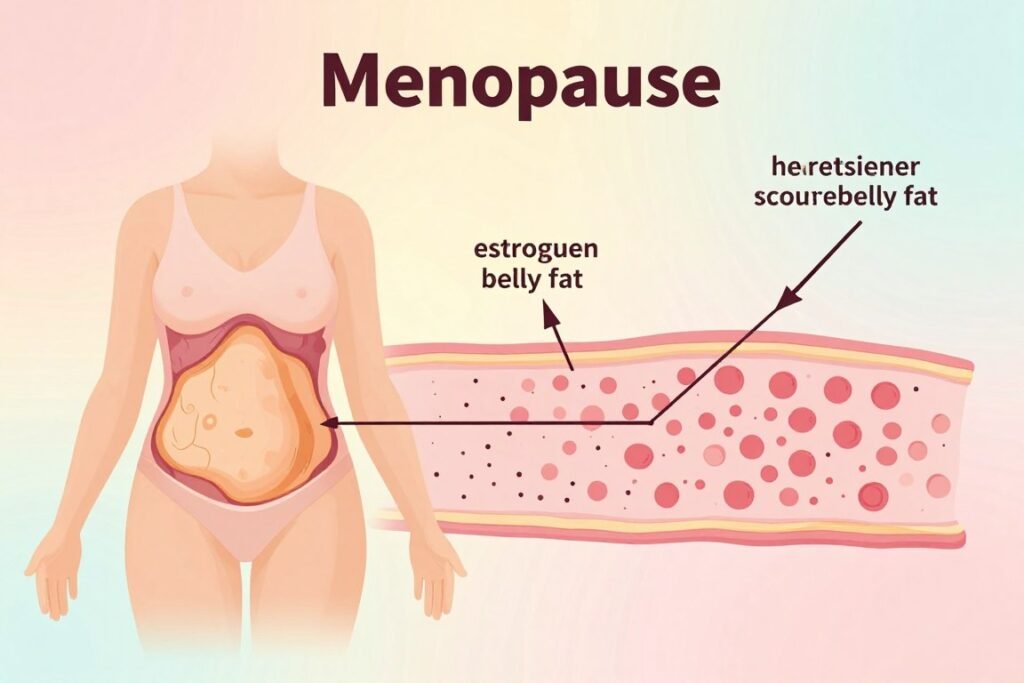
In contrast, visceral fat is hidden deep within the abdominal cavity. It wraps around your vital organs, including the liver and intestines. While subcutaneous fat is mostly a cosmetic concern, visceral fat is metabolically active and poses more significant risks to your long-term health.
Why Midsection Weight Gain Becomes More Prevalent
As hormone levels shift, the body begins to store energy differently. The science behind menopause belly fat explains that the decrease in estrogen levels encourages the body to shift fat storage from the hips and thighs to the midsection.
This change is not just about aesthetics; it is a biological response to a changing internal environment. Prioritizing your wellness starts with recognizing that this shift is a natural part of aging. By focusing on the right lifestyle adjustments, you can effectively manage these changes and support your metabolic health.
Why Fat Distribution Changes During Midlife
The transition through menopause often brings unexpected changes to how and where your body stores fat. It is common for women to gain approximately 1.5kg per year during this phase, even without significant changes to their diet or activity levels. Understanding these shifts is essential for belly fat and aging women who want to navigate this life stage with confidence.
Genetic Predispositions and Aging
Your genetic makeup acts as a blueprint for how your body manages energy storage over time. While you cannot change your DNA, recognizing your predispositions helps you understand why your midsection might be the first place you notice weight gain. Aging naturally slows down certain cellular processes, making it easier for the body to hold onto fat reserves.
This biological script is consistent across the population, making midsection weight gain a predictable event. By accepting that your body is simply following a natural progression, you can focus on sustainable health habits rather than feeling frustrated by the scale. Knowledge is a powerful tool when managing the realities of belly fat and aging women.
The Shift from Gynoid to Android Fat Storage
During your younger years, your body likely favored a gynoid fat distribution, which stores fat primarily in the hips, thighs, and buttocks. As estrogen levels decline, the body begins to favor an android pattern, which concentrates fat around the abdomen. This shift is a hallmark of the hormonal changes occurring during the transition to menopause.
This change is not just about aesthetics; it represents a fundamental move in how your metabolism processes energy. The following table highlights the primary differences between these two storage patterns to help you visualize the transition.
| Feature | Gynoid (Pear) | Android (Apple) |
|---|---|---|
| Primary Storage Area | Hips and Thighs | Abdomen and Viscera |
| Hormonal Influence | Estrogen-Dominant | Low Estrogen/High Cortisol |
| Health Association | Lower Metabolic Risk | Higher Metabolic Risk |
| Typical Life Stage | Pre-menopause | Post-menopause |
The Role of Insulin Resistance in Weight Gain
Insulin resistance plays a hidden but powerful role in the way your body stores fat after forty. As hormone levels fluctuate, your cells may become less responsive to insulin, which is the hormone responsible for managing blood sugar. This shift often contributes to menopause weight gain, making it harder to maintain your previous body composition.

How Hormones Influence Blood Sugar Regulation
Estrogen plays a significant role in how your body utilizes insulin. When estrogen levels drop, your body may struggle to process glucose efficiently, leading to higher blood sugar levels. This metabolic change is a primary driver of unwanted menopause weight gain during the transition years.
Progesterone also works in tandem with estrogen to keep your metabolism balanced. When these hormones decline, the body often shifts its energy storage preferences. Instead of burning fuel for immediate activity, the body becomes more prone to storing it as fat, particularly around the midsection.
Identifying Signs of Insulin Resistance
Recognizing the early warning signs of insulin resistance can help you take control of your metabolic health. You might notice increased cravings for sugary or refined carbohydrates, or perhaps you feel tired shortly after eating a meal. These are common indicators that your body is working harder than it should to regulate blood sugar.
It is important to note that visceral fat is not just an aesthetic concern. This type of fat releases inflammatory cytokines that increase the risk for type 2 diabetes. By identifying these markers early, you can better manage menopause weight gain and protect your long-term health. Consistent monitoring of your energy levels and dietary habits remains a key strategy for success.
Metabolic Changes and Aging
As women enter their fifties, the body undergoes significant internal changes that affect how energy is processed. This transition often makes it harder to maintain a stable weight, which is a common concern regarding belly fat and aging women. Understanding these biological shifts is the first step toward managing your health effectively during this stage of life.
The Decline in Basal Metabolic Rate
Your basal metabolic rate, or BMR, represents the number of calories your body burns just to keep you alive while at rest. As you age, this rate naturally begins to slow down. This shift means your body requires fewer calories than it did in your younger years to maintain the same weight.
Muscle Mass Loss and Its Impact on Caloric Burn
A primary driver of this metabolic slowdown is the gradual loss of lean muscle tissue. Research indicates that after age 50, muscle mass decreases by 5-10% every ten years. Because muscle is metabolically active tissue, it burns more calories at rest than fat does.
When you lose muscle, your total daily energy expenditure drops significantly. This process creates a challenging environment for belly fat and aging women who are trying to stay fit. By prioritizing strength and movement, you can help preserve your lean mass and keep your metabolism running as efficiently as possible.
Nutritional Strategies for Menopause Belly Fat Reduction
Adjusting your daily eating habits is a powerful way to support your body during the transition of menopause. By focusing on nutrient-dense choices, you can create a sustainable path toward menopause belly fat reduction. These strategies prioritize long-term health rather than temporary fixes.

Prioritizing Whole Foods and Fiber
Fiber is an essential component for women navigating midlife changes. High-fiber foods help improve insulin sensitivity and significantly reduce the tendency to store visceral fat around the midsection.
Incorporating more vegetables, legumes, and whole grains into your meals keeps you feeling full longer. This simple shift helps stabilize your energy levels throughout the day. Prioritizing these natural sources is a cornerstone of effective menopause belly fat reduction.
Managing Carbohydrate Intake for Better Blood Sugar Control
Fluctuating hormones often make the body more sensitive to refined sugars and processed carbohydrates. When you manage your carbohydrate intake, you prevent the sharp spikes in blood sugar that lead to fat storage.
Focus on complex carbohydrates that digest slowly, such as quinoa, sweet potatoes, and oats. Pairing these with healthy fats or proteins further slows glucose absorption. This approach is vital for maintaining steady energy and supporting your goals for menopause belly fat reduction.
The Role of Anti-Inflammatory Diets
Chronic inflammation can hinder your weight management efforts during this stage of life. Adopting an anti-inflammatory diet helps soothe the body and supports metabolic function.
Focus on foods rich in omega-3 fatty acids, such as wild-caught salmon, walnuts, and chia seeds. These ingredients help lower systemic inflammation, making it easier for your body to maintain a healthy composition. Consistent, nourishing choices are the key to long-term success.
| Food Category | Primary Benefit | Recommended Examples |
|---|---|---|
| High-Fiber | Improves Insulin Sensitivity | Lentils, Broccoli, Raspberries |
| Complex Carbs | Stabilizes Blood Sugar | Quinoa, Oats, Sweet Potatoes |
| Anti-Inflammatory | Reduces Systemic Stress | Salmon, Walnuts, Turmeric |
The Importance of Protein Intake
One of the most effective menopause belly fat solutions involves a simple shift in your daily nutrition. As your body undergoes hormonal changes, your metabolic needs evolve significantly. Focusing on high-quality protein can help you regain control over your body composition and energy levels.
Protein Requirements for Aging Women
During midlife, your body becomes less efficient at processing nutrients, making protein intake more critical than ever. Experts generally recommend a daily intake of 1.2 to 1.6 grams of protein per kilogram of body weight for women navigating this transition. This range ensures that your body has the necessary building blocks to repair tissues and maintain vital functions.
Distributing this intake evenly across your meals is a smart strategy for success. By including a source of protein at breakfast, lunch, and dinner, you keep your blood sugar stable throughout the day. This approach is one of the most reliable menopause belly fat solutions for long-term weight management.
How Protein Supports Muscle Maintenance
Muscle mass naturally declines as we age, which often leads to a slower metabolism and increased fat storage. Protein acts as the primary fuel for muscle preservation, helping you counteract this natural loss. When you maintain lean muscle, your body burns more calories even while you are at rest.
“Nutrition is the foundation of health, and for women in midlife, protein is the cornerstone of a resilient metabolism.”
To help you meet these goals, consider incorporating the following nutrient-dense options into your weekly meal plan:
| Food Source | Protein Content (Approx.) | Key Benefit |
|---|---|---|
| Greek Yogurt | 15-20g per cup | High in probiotics |
| Chicken Breast | 25-30g per 3oz | Lean muscle support |
| Lentils | 18g per cooked cup | Fiber-rich energy |
| Salmon | 20-22g per 3oz | Omega-3 fatty acids |
By prioritizing these whole-food sources, you provide your body with the essential amino acids it craves. Consistency is key when it comes to fueling your muscles and supporting your metabolic health during this stage of life.
Strength Training as a Metabolic Booster
Building muscle is one of the most effective strategies for combatting menopause belly fat. As hormonal levels shift, the body naturally loses muscle mass, which can slow down your overall metabolic rate. By engaging in regular resistance training, you can counteract these changes and reclaim your physical vitality.
Building Lean Muscle to Increase Resting Metabolism
Muscle tissue is metabolically active, meaning it requires more energy to maintain than fat tissue. When you increase your lean muscle mass, your body burns more calories even while you are at rest. This metabolic boost is essential for long-term weight management and helps stabilize your energy levels throughout the day.

Focusing on strength allows you to shift your body composition in a positive direction. Instead of just focusing on the number on the scale, you are actively improving your metabolic health from the inside out. This approach is vital for anyone serious about combatting menopause belly fat effectively.
Effective Resistance Training Routines for Beginners
You do not need to spend hours in the gym to see significant results. Research shows that resistance training just 2-3 times per week is enough to reduce both visceral and subcutaneous abdominal fat. Consistency is far more important than intensity when you are first starting your journey.
Beginners should focus on compound movements that target multiple muscle groups at once. Exercises like squats, lunges, and overhead presses are excellent for building functional strength. Remember to practice progressive overload by gradually increasing the weight or repetitions as you get stronger over time.
By staying committed to a simple routine, you create a stronger, more resilient body. This dedication is a key component in combatting menopause belly fat and feeling your best during this transition. Start slow, listen to your body, and enjoy the process of getting stronger.
Cardiovascular Health and Fat Loss
Incorporating regular movement is essential for anyone focused on combatting menopause belly fat effectively. Beyond just burning calories, consistent cardiovascular activity strengthens your heart and improves your overall metabolic health. Aiming for at least 150 minutes per week of moderate-intensity exercise provides a solid foundation for long-term wellness.
The Benefits of High-Intensity Interval Training
High-Intensity Interval Training, or HIIT, involves short bursts of intense effort followed by brief recovery periods. This method is highly efficient for boosting your metabolism and improving insulin sensitivity. Because it challenges your body in a short timeframe, it is a popular choice for those with busy schedules.
When you push your heart rate into higher zones, you encourage your body to utilize stored energy more effectively. This process is particularly helpful when you are combatting menopause belly fat, as it targets visceral fat stores. Always ensure you are cleared by a physician before starting high-intensity routines to keep your joints and heart safe.
Low-Impact Aerobic Exercises for Long-Term Consistency
While intensity has its place, low-impact aerobic exercises are the secret to long-term consistency. Activities like brisk walking, swimming, or cycling allow you to reach your weekly movement goals without placing excessive stress on your joints. These exercises are sustainable, meaning you are more likely to stick with them for years to come.
“Consistency is the bridge between goals and accomplishment. It is not about the intensity of a single workout, but the rhythm of your daily habits.”
To help you choose the right approach, consider how different activities impact your body and schedule. The following table outlines the primary differences between common cardiovascular methods:
| Exercise Type | Intensity Level | Joint Impact | Primary Benefit |
|---|---|---|---|
| Brisk Walking | Low to Moderate | Minimal | Sustainability |
| HIIT | High | Moderate | Metabolic Boost |
| Swimming | Moderate | None | Full Body Tone |
| Cycling | Moderate | Low | Heart Health |
Ultimately, the best exercise is the one you enjoy enough to perform regularly. By balancing these methods, you create a sustainable path toward combatting menopause belly fat while protecting your cardiovascular system for the future.
Managing Stress and Cortisol Levels
Chronic stress acts as a silent disruptor that can complicate your journey toward a healthier midsection. When life feels overwhelming, your body reacts by releasing specific chemicals that influence hormones and belly fat. Understanding this biological response is a vital step in regaining control over your physical health.
The Connection Between Cortisol and Abdominal Fat
Cortisol is often called the stress hormone, and it plays a major role in how your body stores energy. When you experience prolonged stress, your cortisol levels remain elevated for extended periods. This persistent state signals your body to preserve energy, which frequently leads to increased fat storage specifically in the abdominal area.
This process is a survival mechanism that served our ancestors well during times of famine. In the modern world, however, this reaction often works against your fitness goals. High cortisol levels can disrupt the delicate balance of other hormones and belly fat, making it harder to maintain a lean waistline even when you are eating well.
Mindfulness and Stress-Reduction Techniques
Lowering your stress levels is not just about relaxation; it is a strategic approach to metabolic health. Incorporating simple mindfulness practices can help you lower cortisol naturally. Deep breathing exercises, for instance, can shift your nervous system from a state of high alert to a state of calm within minutes.
Consistency is key when managing the relationship between hormones and belly fat. You might consider adding these habits to your daily routine to support your overall well-being:
- Meditation: Spend ten minutes each morning focusing on your breath.
- Nature Walks: Spend time outdoors to reduce mental fatigue.
- Journaling: Write down your thoughts to clear your mind before sleep.
| Stress Level | Cortisol Impact | Physical Outcome |
|---|---|---|
| Low | Balanced | Stable weight |
| Moderate | Occasional spikes | Minor fluctuations |
| High | Chronic elevation | Abdominal fat gain |
The Impact of Sleep Quality on Weight
Achieving your weight loss goals during midlife often starts long before you wake up in the morning. While diet and exercise are critical, the quality of your rest serves as a foundational pillar for hormonal balance. Neglecting your sleep can inadvertently accelerate menopause weight gain by throwing your internal systems out of sync.
How Sleep Deprivation Disrupts Hunger Hormones
When you fail to get enough restorative sleep, your body experiences a significant hormonal imbalance. Specifically, sleep deprivation lowers levels of leptin, the hormone that signals fullness, while simultaneously spiking ghrelin, which triggers hunger. This physiological shift makes it incredibly difficult to resist cravings, directly contributing to menopause weight gain.
“Sleep is the golden chain that ties health and our bodies together.”
This hormonal tug-of-war forces your body to hold onto excess weight, especially around the midsection. Without adequate rest, your metabolism struggles to process nutrients efficiently. Prioritizing deep sleep is therefore essential for any woman looking to manage her weight effectively during this transition.
Strategies for Improving Sleep Hygiene During Menopause
Improving your sleep environment can make a world of difference in your overall wellness. Start by keeping your bedroom cool, dark, and quiet to minimize nighttime disturbances. Establishing a consistent bedtime routine helps signal to your brain that it is time to wind down, which is vital for mitigating the effects of menopause weight gain.
- Limit caffeine intake to the early morning hours.
- Avoid screens and blue light at least one hour before bed.
- Practice gentle relaxation techniques like deep breathing or meditation.
Consistency remains the most effective tool for long-term success. By creating a sanctuary for rest, you support your body’s natural ability to regulate hormones and recover from daily stress. Small, intentional changes to your nightly habits will pay off in your metabolic health and energy levels.
Supplements and Medical Interventions
Navigating the complexities of midlife often requires looking beyond basic lifestyle adjustments. While healthy habits form the foundation of wellness, some individuals may benefit from targeted support to address the specific challenges of women’s health menopause.
Evidence-Based Supplements for Metabolic Health
Certain supplements can help bridge nutritional gaps that often widen during the transition to menopause. Magnesium and Vitamin D are frequently recommended to support bone density and metabolic function.
Omega-3 fatty acids may also assist in reducing systemic inflammation, which is often linked to weight gain. It is essential to choose high-quality products and verify their purity through third-party testing.

Consulting with Healthcare Providers About Hormone Replacement Therapy
Hormone fluctuations significantly impact how your body stores energy. Research indicates that hormone replacement therapy is often associated with less visceral fat accumulation, making it a topic worth discussing with your doctor.
When considering medical interventions for women’s health menopause, a personalized approach is necessary. Your healthcare provider can evaluate your medical history to determine if these treatments align with your long-term goals.
Working closely with a professional ensures that your plan is both safe and effective. Consider these steps when preparing for your consultation:
- Prepare a list of your current symptoms and their impact on your daily life.
- Ask about the risks and benefits of specific hormonal treatments.
- Discuss your family history to help your doctor make an informed recommendation.
- Review your current medications to avoid potential interactions with new supplements.
Ultimately, taking a proactive stance on women’s health menopause empowers you to make informed decisions. By combining clinical expertise with your personal health strategy, you can better manage your metabolic well-being during this transition.
Sustainable Lifestyle Habits for Long-Term Success
Building a sustainable lifestyle is the most effective way to manage your body composition during menopause. While the desire for rapid results is common, true menopause belly fat reduction relies on small, consistent actions that you can maintain for years to come.
Setting Realistic Expectations for Weight Management
It is important to understand that your body undergoes significant hormonal shifts during this time. Meaningful changes in body composition typically take 12-16 weeks of consistent effort. Patience is your greatest ally when you are working toward a healthier midsection.
Avoid the trap of comparing your progress to younger versions of yourself or unrealistic social media standards. Focus instead on the steady improvements you make each week. By setting achievable goals, you create a foundation for lasting menopause belly fat reduction without the stress of perfectionism.
Tracking Progress Beyond the Scale
The number on the scale often fails to capture the full picture of your health. During this life stage, your body may be building lean muscle while losing fat, which can keep your weight stable even as your shape changes. Celebrate non-scale victories like having more energy throughout the day or noticing that your clothes fit more comfortably.
Monitoring your progress through multiple metrics helps you stay motivated even when the scale does not move. Use the following table to track your success beyond just weight:
| Metric | Focus Area | Success Indicator |
|---|---|---|
| Energy Levels | Daily Vitality | Consistent stamina |
| Clothing Fit | Body Shape | Waistband comfort |
| Sleep Quality | Recovery | Restful nights |
| Strength | Muscle Tone | Increased endurance |
Focusing on these indicators ensures that your approach to menopause belly fat reduction remains positive and sustainable. By prioritizing how you feel over a single number, you foster a healthier relationship with your body for the long term.
Conclusion
Navigating the physical changes of midlife requires a shift in perspective. These body transformations represent a natural biological response to hormonal transitions rather than a personal failure.
You possess the power to influence your health through intentional daily choices. Implementing effective menopause belly fat solutions allows you to regain control over your metabolic well-being. Focus on building lean muscle through resistance training and fueling your body with nutrient-dense proteins.
Prioritizing restorative sleep and managing stress levels creates a foundation for lasting vitality. These menopause belly fat solutions work best when you view them as a long-term commitment to your future self. Consult with healthcare professionals to tailor these strategies to your unique medical history.
Embrace this chapter as an opportunity to prioritize your strength and confidence. Every small, consistent habit brings you closer to feeling your best. Start your journey toward a healthier, more vibrant version of yourself today.
FAQ
Why does fat specifically accumulate in the midsection during the menopause transition?
What is the difference between subcutaneous fat and visceral fat?
Can insulin resistance make menopause weight gain worse?
Why is strength training more effective than just doing cardio for aging women?
How much protein should I be eating to support my weight loss goals?
Does stress really cause me to hold onto belly fat?
How does sleep quality affect my waistline?
Should I consider Hormone Replacement Therapy (HRT) for weight management?
How long does it take to see results when trying to lose menopause belly fat?
 ✦ Verified Expert
Mahua Dutta
International Yoga Alliance Certified Instructor · Nutrition & Dietetics Advisor · Holistic Health Coach
Mahua is an internationally certified Online Yoga Therapeutic Instructor and Holistic Wellness Coach who blends ancient yogic wisdom with modern wellness science. Her work helps women build balance, strength, inner peace, and sustainable well-being through yoga, mindfulness, nutrition, Ayurveda, and meditation — especially for hormonal health and metabolic transformation.