
Did you know that nearly 90% of women notice significant shifts in their body composition as they enter their midlife years? It often feels like the rules of the game have suddenly changed without warning. You might find yourself stuck in a cycle of weight loss frustration, despite sticking to the same routines that worked perfectly just a few years ago.
This struggle is not a sign of personal failure or a lack of willpower. Instead, it is a natural biological transition that requires a fresh perspective. Understanding the science behind menopause and weight gain is the first step toward reclaiming your health. By shifting your strategy, you can move past the hurdles of losing weight after 40 and find a sustainable path forward.
Key Takeaways
- Midlife body changes are primarily driven by hormonal shifts rather than lifestyle choices.
- Traditional diet methods often become ineffective due to a slowing metabolic rate.
- Acknowledging these biological changes helps reduce unnecessary stress and self-blame.
- Sustainable results require adjusting nutrition to support hormonal balance.
- Focusing on long-term health markers is more effective than chasing a number on the scale.
The Biological Shift: Understanding Menopause and Weight Gain
You might notice your clothes fitting differently well before your periods actually stop. This phase is a natural part of your life, yet it often feels like a sudden mystery. Understanding the link between menopause and weight gain requires looking at the years leading up to the final transition.
Defining the Perimenopausal Transition
Perimenopause is the bridge between your reproductive years and the post-menopausal stage. During this time, your ovaries gradually produce less estrogen and progesterone. These hormonal changes and weight gain are closely tied, as your body attempts to find a new equilibrium.
Many women experience irregular cycles, mood swings, and sleep disturbances during this window. It is not just about the end of fertility; it is a profound physiological evolution. Recognizing these signs early allows you to take proactive steps toward your health.
Why Weight Gain Often Starts Before Menopause
Weight management becomes more complex because your metabolism begins to shift during perimenopause. Even if your diet remains the same, your body may store fat differently. This is largely due to the fluctuating levels of hormones that regulate how you burn energy.
The following table highlights how your body transitions during these critical years:
| Feature | Pre-Menopause | Perimenopause |
|---|---|---|
| Hormone Levels | Stable and Predictable | Fluctuating and Erratic |
| Metabolic Rate | Consistent | Gradual Slowdown |
| Fat Storage | Hips and Thighs | Midsection Focus |
| Energy Levels | Steady | Variable |
By understanding that hormonal changes and weight gain are interconnected, you can stop blaming yourself for these shifts. This biological reality is a normal part of aging. Focusing on sustainable habits now will help you navigate menopause and weight gain with much greater confidence and ease.
The Role of Estrogen in Fat Distribution
Hormonal shifts during midlife often lead to unexpected changes in how your body stores fat. Many women find that their usual diet and exercise routines no longer yield the same results, which can be quite disheartening. Understanding the science behind these shifts is the first step toward navigating menopause and weight gain with confidence.
How Declining Estrogen Changes Body Composition
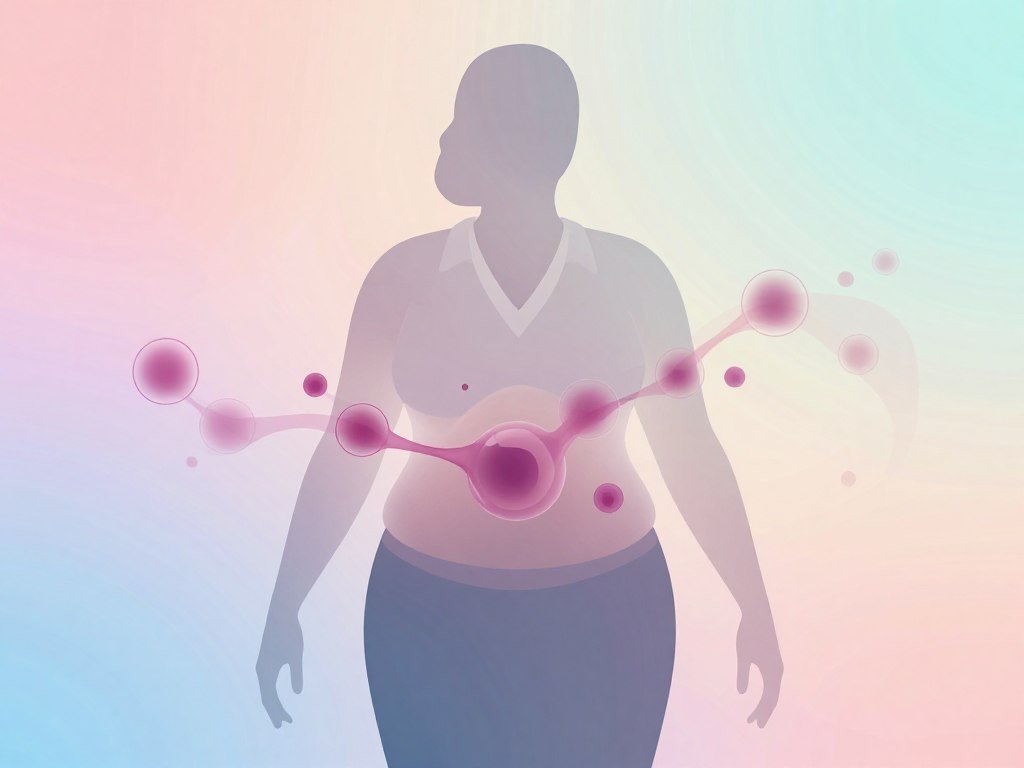
During your younger years, estrogen acts as a primary conductor for where your body deposits fat. It typically directs fat storage toward the hips, thighs, and buttocks, creating a classic pear-shaped silhouette. As you enter the menopausal transition, your ovaries produce significantly less estrogen.
This reduction in estrogen forces your body to seek alternative energy storage sites. Without the protective influence of this hormone, your metabolism slows down, and your body becomes more efficient at storing energy. These hormonal changes and weight gain patterns are a natural, albeit frustrating, part of the aging process.
The Shift from Pear Shape to Apple Shape
As estrogen levels drop, the body begins to favor the abdominal area for fat storage. This transition often results in a shift from a pear-shaped figure to an apple-shaped one. This specific type of fat, known as visceral fat, settles deep within the midsection and surrounds your vital organs.
Unlike subcutaneous fat found under the skin, visceral fat is metabolically active and can influence your overall health markers. Recognizing this shift is essential for addressing the unique weight loss challenges that arise after 40. By focusing on targeted lifestyle adjustments, you can better manage these changes and support your long-term well-being.
Metabolic Slowdown: Why Your Body Burns Fewer Calories
Your metabolism after menopause often feels like a mystery, but it is rooted in clear biological shifts. Many women find that their previous dietary habits no longer maintain their weight as effectively as they once did. This shift is not a personal failure but a natural response to changing energy requirements.
The Science of Basal Metabolic Rate
Your Basal Metabolic Rate (BMR) represents the number of calories your body burns just to keep you alive at rest. As you age, this rate naturally declines due to changes in hormonal levels and body composition. Understanding this process is essential for managing your health during this transition.
When your BMR drops, your body requires less fuel to function. If you continue to eat the same amount of calories as you did in your thirties, you will likely experience weight gain. This is why tracking your metabolism after menopause becomes a vital part of your wellness journey.
Adapting to a Lower Caloric Requirement
Adjusting your intake does not mean you must starve yourself or follow restrictive diets. Instead, it requires a shift toward nutrient-dense foods that provide high satiety without excessive calories. By focusing on quality over quantity, you can support your body’s changing needs.
The following table illustrates how energy requirements typically shift as we move through different life stages:
| Life Stage | Metabolic Activity | Caloric Focus |
|---|---|---|
| Early 30s | High | Maintenance |
| Perimenopause | Moderate | Nutrient Density |
| Post-Menopause | Lower | Metabolic Support |
Ultimately, accepting that your metabolism after menopause has changed allows you to make smarter choices. You can thrive by aligning your lifestyle with your body’s current biological reality rather than fighting against it.
Muscle Mass Loss and Its Impact on Your Resting Metabolic Rate
Protecting your muscle tissue is the most effective way to keep your metabolism after menopause healthy. As you navigate your forties and beyond, your body undergoes significant physiological changes that can alter how you process energy. Understanding these shifts is the first step toward maintaining your vitality and physical strength.
Sarcopenia and the Aging Process
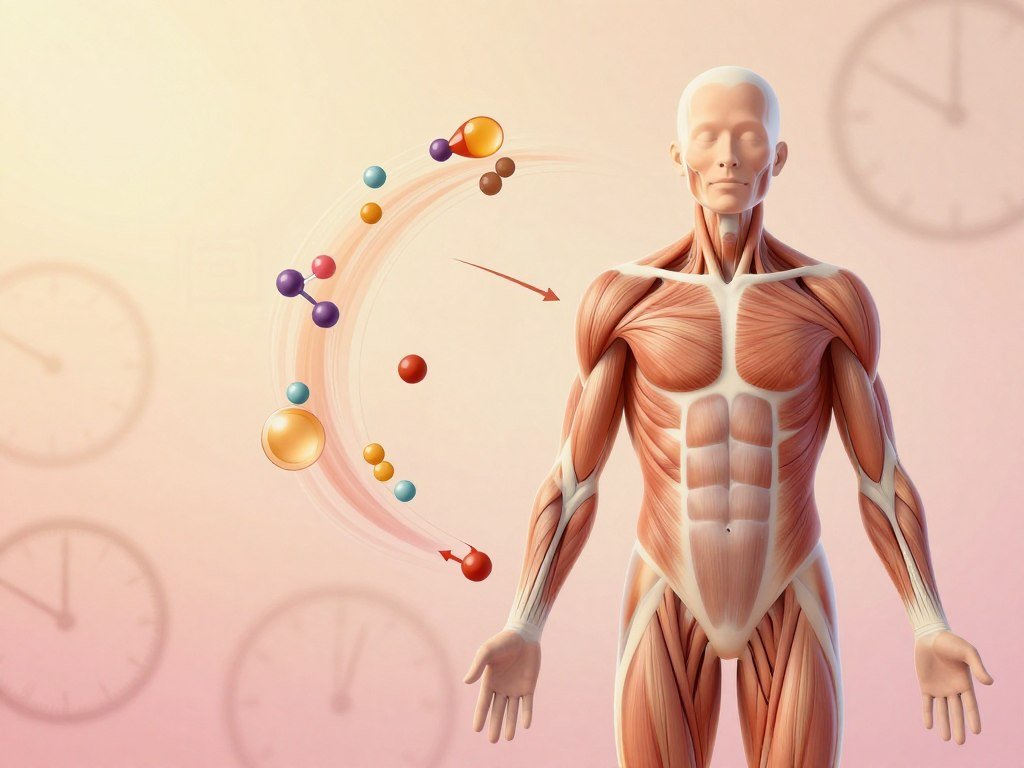
The natural decline of muscle mass as we age is known as sarcopenia. This process often begins subtly in our thirties, but it tends to accelerate during the transition into menopause. Without intervention, this loss of lean tissue can lead to a noticeable decrease in your daily energy expenditure.
Your resting metabolic rate (RMR) represents the calories your body burns just to keep your organs functioning at rest. Because muscle tissue is more metabolically active than fat, having less muscle means your body requires fewer calories to maintain itself. This is a primary reason why managing your metabolism after menopause becomes more challenging over time.
“Muscle is the organ of longevity. The more lean mass you preserve, the more resilient your body remains against the metabolic shifts of midlife.”
Why Muscle is Your Best Defense Against Weight Gain
Building and maintaining muscle acts as a powerful buffer against unwanted weight gain. When you prioritize strength, you essentially upgrade your body’s internal engine to burn fuel more efficiently. Consider these key benefits of maintaining lean mass:
- Increased Caloric Burn: Muscle tissue demands more energy to maintain than adipose tissue, even while you sleep.
- Improved Insulin Sensitivity: Stronger muscles help your body process glucose more effectively, reducing the risk of fat storage.
- Enhanced Functional Strength: Maintaining muscle ensures you stay mobile, active, and capable of performing daily tasks with ease.
By focusing on resistance training, you can actively counteract the natural decline in your metabolism after menopause. It is never too late to start building the strength required to support your long-term health goals. Embracing this shift in focus from the scale to your muscle health will provide lasting benefits for your body and mind.
Insulin Resistance and Blood Sugar Fluctuations
Hormonal shifts during menopause often trigger a cascade of changes in how your body handles insulin. Many women find that their metabolism slows down, making it harder to maintain a healthy weight. These hormonal changes and weight gain are deeply interconnected, often creating a cycle that feels difficult to break.
How Hormones Influence Insulin Sensitivity
Estrogen plays a significant role in how your cells respond to insulin. When levels of this hormone decline, your body may become less efficient at moving glucose from your bloodstream into your cells for energy. This process, known as insulin resistance, often leads to higher blood sugar levels.
When blood sugar remains elevated, your body is more likely to store that excess energy as fat. This is particularly common around the midsection, which can be a source of frustration for many women. Understanding this biological shift is the first step toward regaining control over your metabolic health.
Managing Carbohydrate Intake for Better Blood Sugar Control
You can support your body by making intentional choices about the carbohydrates you consume. Focusing on quality rather than just quantity helps stabilize your blood sugar throughout the day. By choosing the right fuel, you can mitigate the impact of hormonal changes and weight gain on your daily energy levels.
Consider these practical strategies to improve your insulin sensitivity:
- Prioritize complex carbohydrates: Choose whole grains, legumes, and vegetables that provide steady energy rather than quick spikes.
- Increase fiber intake: Fiber slows the absorption of sugar, which helps keep your blood glucose levels in a healthy range.
- Pair your carbs: Always combine carbohydrates with a source of protein or healthy fat to blunt the glycemic response.
- Limit added sugars: Reducing processed sweets and sugary beverages is essential for preventing unnecessary insulin spikes.
Small, consistent adjustments to your diet can lead to significant improvements in how you feel. Be patient with yourself as you navigate these changes, as your body requires time to adapt to its new hormonal landscape.
The Cortisol Connection: Stress and Belly Fat
Chronic stress acts as a silent saboteur for women navigating the hormonal shifts of midlife. When your body remains in a state of high alert, it produces excess cortisol, a hormone that directly influences how you store energy. This physiological response often leads to unwanted weight gain specifically around the abdominal area.

The Impact of Chronic Stress on Midsection Weight
During menopause, your body becomes increasingly sensitive to cortisol fluctuations. This hormone signals your system to prioritize fat storage in the midsection as a survival mechanism. High cortisol levels can make it significantly harder to lose weight, even when you are diligent about your caloric intake.
The body perceives chronic stress as a threat, triggering the release of glucose into the bloodstream for quick energy. When this energy is not used through physical activity, it is stored as visceral fat. This type of fat is particularly stubborn and is linked to various metabolic challenges that often emerge after age 40.
Techniques for Lowering Cortisol Levels
Managing your stress is not just about mental health; it is a critical strategy for physical weight management. Incorporating mindfulness practices like deep breathing or meditation can help signal to your nervous system that it is safe to relax. These small, consistent shifts help lower your baseline cortisol levels over time.
Prioritizing a consistent sleep routine is another powerful tool in your arsenal. Sleep deprivation acts as a major stressor, further spiking cortisol and increasing hunger hormones the following day. By creating a calming environment before bed, you support your body’s natural ability to regulate hormones and protect your metabolic health.
Sleep Quality and Its Direct Link to Weight Management
Achieving restful sleep is often the missing piece of the puzzle when you are trying to manage your weight after 40. Many women notice that their sleep patterns shift significantly during the transition to menopause. Prioritizing your rest is not just about feeling refreshed; it is a fundamental pillar of metabolic health.
The Relationship Between Sleep Deprivation and Hunger Hormones
When you do not get enough sleep, your body experiences a hormonal imbalance that makes weight control much harder. Specifically, sleep deprivation triggers an increase in ghrelin, the hormone that signals hunger to your brain. At the same time, it suppresses leptin, the hormone responsible for making you feel full.
This double-edged sword often leads to intense cravings for high-calorie, sugary foods. Your body is essentially crying out for quick energy because it is exhausted. Managing these hunger hormones through consistent sleep is a powerful way to reduce late-night snacking and emotional eating.
Strategies for Better Sleep During Menopause
Improving your sleep hygiene can make a world of difference in how you feel and how your body processes energy. Start by creating a consistent bedtime routine that signals to your brain that it is time to wind down. Keeping your bedroom cool, dark, and quiet is also essential for staying asleep throughout the night.
Consider these practical steps to support better rest:
- Limit caffeine intake to the morning hours to prevent evening stimulation.
- Establish a digital sunset by turning off screens at least one hour before bed.
- Incorporate gentle relaxation techniques like deep breathing or meditation to calm your nervous system.
If hot flashes are disrupting your sleep, try wearing breathable fabrics and using moisture-wicking bedding. Small, intentional changes to your evening environment can lead to significant improvements in your overall sleep quality. By protecting your rest, you are actively supporting your weight management goals.
Nutritional Adjustments for the Menopausal Body
What you put on your plate becomes increasingly important as your metabolism shifts after 40. Making small, intentional changes to your daily intake is one of the most effective menopause weight loss tips available. By prioritizing quality over quantity, you can provide your body with the fuel it needs to thrive during this transition.

Focusing on Nutrient-Dense Whole Foods
To support your changing physiology, focus on foods that offer high nutritional value without excessive calories. Whole, unprocessed foods are packed with the fiber, vitamins, and minerals necessary to keep your energy stable throughout the day. These diet tips for menopause weight gain emphasize the power of plants and lean proteins.
- Leafy greens: Spinach, kale, and arugula provide essential micronutrients.
- Fiber-rich legumes: Beans and lentils help keep you full longer.
- Healthy fats: Avocados, nuts, and seeds support hormonal health.
- Lean proteins: Chicken, fish, and tofu help maintain muscle mass.
Reducing Inflammatory Foods and Added Sugars
Chronic inflammation can make it significantly harder to manage your weight during midlife. Processed snacks, refined carbohydrates, and sugary beverages often trigger blood sugar spikes that lead to fat storage. Cutting back on these items is a vital step in your journey toward better health.
“The food you eat can either be the safest and most powerful form of medicine or the slowest form of poison.”
When you reduce your intake of added sugars, you help stabilize your insulin levels, which is crucial for long-term success. Implementing these menopause weight loss tips allows your body to function more efficiently. Following these diet tips for menopause weight gain will help you feel more vibrant and energized as you navigate this new chapter of life.
The Importance of Protein Intake After 40
If you are focused on losing weight after 40, your daily protein intake deserves your full attention. As your metabolism naturally shifts, your body requires more support to preserve the lean muscle that keeps your system running efficiently. Prioritizing this macronutrient is not just about fitness; it is about fueling your longevity.
Many women overlook the power of protein when seeking effective diet tips for menopause weight gain. By incorporating high-quality protein into every meal, you can stabilize your energy levels and reduce the urge to snack on processed carbohydrates. This simple shift helps you feel fuller for longer periods throughout the day.
Protein Requirements for Maintaining Muscle Mass
To combat the natural decline in muscle tissue, experts often recommend increasing your daily protein intake. Aiming for roughly 0.8 to 1.2 grams of protein per pound of your goal body weight can provide the necessary amino acids for repair. Consistent protein consumption is the best defense against metabolic slowdown.
Distributing your protein intake evenly across breakfast, lunch, and dinner is more effective than consuming it all at once. This strategy ensures that your muscles receive a steady supply of nutrients to prevent breakdown. Your body works harder to digest protein, which can provide a slight boost to your daily calorie burn.
Best Sources of Protein for Women Over 40
Choosing the right sources of protein is essential for overall health and weight management. Focus on whole, nutrient-dense foods that provide high biological value without excessive saturated fats. Variety is key to ensuring you get a complete profile of essential amino acids.
- Lean Animal Proteins: Chicken breast, turkey, wild-caught salmon, and eggs are excellent staples.
- Plant-Based Options: Lentils, chickpeas, quinoa, and organic tofu offer great fiber alongside protein.
- Dairy and Alternatives: Greek yogurt and cottage cheese are convenient, high-protein snacks that support bone health.
Integrating these foods into your routine is one of the most practical diet tips for menopause weight gain. By making these small, intentional changes, you empower your body to maintain its strength and vitality during this transformative stage of life.
Strength Training as a Non-Negotiable Strategy
Transforming your body after forty requires a shift in strategy that prioritizes muscle preservation over simple calorie burning. While staying active is always beneficial, the way you move your body needs to evolve to match your changing physiology. Embracing resistance training is the most effective way to reclaim your vitality.
Why Cardio Alone is No Longer Enough
Many women rely heavily on steady-state cardio like jogging or cycling to manage their weight. While these activities support heart health, they often fail to address the specific hormonal shifts that impact your metabolism after menopause. Relying solely on cardio can sometimes lead to muscle loss, which further slows down your body’s ability to burn energy at rest.
When you focus only on aerobic exercise, you miss the opportunity to build the lean tissue necessary for a robust metabolic rate. Strength training acts as a metabolic engine, keeping your body burning calories long after you leave the gym. It is the missing piece of the puzzle for women who feel like their efforts are no longer yielding the same results.

Getting Started with Resistance Training at Home or the Gym
You do not need to be a professional athlete to start reaping the rewards of lifting weights. Whether you prefer the privacy of your living room or the variety of equipment at a local gym, the goal is to challenge your muscles consistently. Consistency is far more important than intensity when you are first beginning your journey.
If you are working out at home, start with bodyweight exercises like squats, lunges, and push-ups. As you grow stronger, you can incorporate resistance bands or a pair of adjustable dumbbells to increase the difficulty. These simple tools are highly effective for exercise and menopause weight loss because they help you maintain the muscle mass that naturally declines with age.
If you choose to join a gym, consider working with a trainer for a few sessions to ensure your form is safe and effective. Focus on compound movements that engage multiple muscle groups at once, such as chest presses or deadlifts. Remember that every repetition is an investment in your future health and independence.
Cardiovascular Health and Movement Beyond the Gym
If you want to master effective menopause weight loss tips, you must look beyond the treadmill. While structured workouts are vital, the way you move throughout the rest of your day plays a massive role in your metabolic health. Many women find that small, consistent actions lead to better results than sporadic, high-intensity sessions alone.
The Benefits of NEAT (Non-Exercise Activity Thermogenesis)
NEAT, or Non-Exercise Activity Thermogenesis, refers to all the energy you burn during daily tasks that are not formal exercise. This includes everything from walking to the mailbox, cleaning your home, or even fidgeting at your desk. These small movements add up significantly over the course of a week.
For many, focusing on NEAT is a game-changer for exercise and menopause weight loss. By increasing your daily step count or standing more often, you keep your metabolism active without adding excessive stress to your body. This approach supports cardiovascular health while helping you manage your weight in a sustainable way.
Finding Sustainable Ways to Stay Active
Consistency is the secret ingredient to long-term success. Instead of forcing yourself into a rigid routine, look for ways to weave movement into your existing lifestyle. You might try taking a short walk after dinner or choosing the stairs whenever possible.
Small changes often feel more manageable than drastic shifts in your schedule. When you prioritize movement as a natural part of your day, you reduce the pressure often associated with exercise and menopause weight loss. Remember that every bit of movement counts toward your overall health goals.
Ultimately, finding joy in your daily activity is one of the most effective menopause weight loss tips available. Whether it is gardening, dancing in your kitchen, or playing with your pets, staying active should feel like a reward rather than a chore. By keeping your body in motion, you support your heart and your metabolism for years to come.
Managing Weight Loss Frustration and Mental Well-being
Many women find that the journey through menopause brings unexpected emotional hurdles alongside physical changes. It is completely normal to feel overwhelmed when your body does not respond to traditional methods the way it once did. Acknowledging these weight loss challenges is the first step toward reclaiming your peace of mind.

Shifting the Focus from the Scale to Health Markers
When you fixate solely on a number, you often miss the significant progress happening beneath the surface. True health is not defined by gravity pulling on a scale, but by how you feel in your daily life. Focusing on non-scale victories can transform your relationship with your body.
Consider tracking metrics that reflect your actual vitality and strength. When you prioritize exercise and menopause weight loss, look for improvements in your sleep quality, your ability to lift heavier weights, or your sustained energy levels throughout the afternoon.
| Metric | Scale-Based Focus | Health-Based Focus |
|---|---|---|
| Primary Goal | Lowering body weight | Improving body composition |
| Success Indicator | Daily weigh-ins | Increased strength and stamina |
| Emotional Impact | Often leads to anxiety | Promotes confidence and pride |
The Psychological Challenges of Midlife Weight Changes
Midlife often brings a unique set of psychological pressures that can exacerbate weight loss frustration. You might feel as though your body is working against you, which can lead to feelings of defeat or self-criticism. It is vital to practice self-compassion during this transition rather than harsh judgment.
“The goal is not to be perfect, but to be present and kind to yourself as your body evolves through this natural phase of life.”
Understanding that your metabolism and hormones are shifting helps remove the personal blame often associated with weight gain. By shifting your mindset, you can create a sustainable path forward that honors your body’s needs. Remember that your worth is never tied to your size, and every positive habit you build is a victory for your long-term health.
The Impact of Hormone Replacement Therapy on Weight
Navigating the complexities of midlife health often leads to questions about the role of hormone replacement therapy (HRT). Many women face significant weight loss challenges as their estrogen levels decline, leading them to wonder if medical intervention is the right path. It is important to clarify that HRT is not a magic solution for shedding pounds, but it can be a valuable tool for improving your overall quality of life.
By stabilizing hormonal fluctuations, HRT may make it easier to maintain the energy levels required for consistent physical activity. When you feel better, you are more likely to engage in the lifestyle habits that support a healthy weight. This shift can help alleviate the weight loss frustration that often accompanies the transition into menopause.
Consulting with Healthcare Providers About HRT
Before considering any hormonal treatment, you must schedule a thorough consultation with a qualified healthcare provider. Every woman’s body reacts differently to hormonal changes, and a personalized approach is essential for safety. Your doctor can evaluate your medical history to determine if HRT aligns with your specific health goals.
During your appointment, be prepared to discuss your current symptoms and your primary concerns regarding body composition. A professional can help you distinguish between normal aging processes and symptoms that may benefit from medical support. This collaborative process ensures that your health plan is both safe and effective.
Understanding the Potential Benefits and Risks
While HRT can help manage symptoms like hot flashes and sleep disturbances, it is not without potential risks. You should weigh the benefits of improved metabolic health against any personal health contraindications. Open communication with your medical team is the best way to navigate these decisions confidently.
| Factor | Common Myth | Medical Reality |
|---|---|---|
| Weight Loss | HRT causes instant weight loss | HRT supports lifestyle changes |
| Metabolism | Hormones fix metabolic slowdown | HRT helps maintain muscle mass |
| Strategy | HRT replaces diet and exercise | HRT is a supplement to healthy habits |
Ultimately, viewing HRT as a supportive component of a broader wellness strategy is key. By focusing on nutrition, strength training, and medical guidance, you can better manage your health journey. This holistic perspective helps reduce weight loss frustration while promoting long-term vitality.
Sustainable Lifestyle Changes for Long-Term Success
True transformation during midlife comes from habits that support your body for the long haul. Rather than chasing temporary results, you should focus on creating a lifestyle that feels natural and sustainable. This approach is essential when you are losing weight after 40, as your body requires a more balanced and gentle strategy.

Building Habits That Last Beyond the Short Term
The most effective menopause weight loss tips involve small, incremental changes that you can maintain for years. Instead of drastic restrictions, try incorporating nutrient-dense foods into your daily routine. Consistency is far more powerful than intensity when it comes to long-term health.
When you look for diet tips for menopause weight gain, prioritize habits that nourish your metabolism. Focus on hydration, consistent protein intake, and regular movement that you actually enjoy. By making these choices automatic, you remove the need for willpower and create a foundation for lasting success.
The Importance of Patience and Self-Compassion
It is vital to remember that your body is navigating a significant biological transition. Be kind to yourself during this process, as progress may look different than it did in your younger years. Patience is a key component of losing weight after 40, as your system needs time to adapt to new routines.
Avoid the trap of comparing your current journey to past experiences. Incorporating menopause weight loss tips requires a mindset shift that values health markers over the number on a scale. When you practice self-compassion, you reduce the stress that often hinders your progress, making it easier to follow diet tips for menopause weight gain without feeling overwhelmed.
Conclusion
Navigating the changes of midlife requires a shift in perspective rather than a complete overhaul of your identity. You possess the power to influence your metabolic health through intentional daily choices.
Weight gain during this transition is not an inevitable fate. It serves as a signal to prioritize your long-term wellness with new tools and strategies. By focusing on nutrient-dense foods and consistent movement, you build a foundation for lasting vitality.
Strength training remains a vital pillar for maintaining muscle mass and supporting your metabolism. Partnering with healthcare providers allows you to explore personalized options like hormone replacement therapy if your symptoms feel overwhelming. These experts provide the guidance needed to tailor a plan to your unique biological needs.
Your body deserves patience and compassion as it adapts to these hormonal shifts. Small, sustainable habits create significant results over time. Start your journey today by choosing one positive change that honors your health goals. You have the ability to thrive during this chapter and beyond.
FAQ
Why is losing weight after 40 so much more difficult than in my 20s?
What are the most effective menopause weight loss tips for someone just starting out?
How do hormonal changes and weight gain specifically affect the midsection?
Is it possible to improve my metabolism after menopause?
What are some specific diet tips for menopause weight gain?
How does exercise and menopause weight loss differ from traditional cardio routines?
How can I handle the weight loss frustration when the scale won’t budge?
 ✦ Verified Expert
Mahua Dutta
International Yoga Alliance Certified Instructor · Nutrition & Dietetics Advisor · Holistic Health Coach
Mahua is an internationally certified Online Yoga Therapeutic Instructor and Holistic Wellness Coach who blends ancient yogic wisdom with modern wellness science. Her work helps women build balance, strength, inner peace, and sustainable well-being through yoga, mindfulness, nutrition, Ayurveda, and meditation — especially for hormonal health and metabolic transformation.