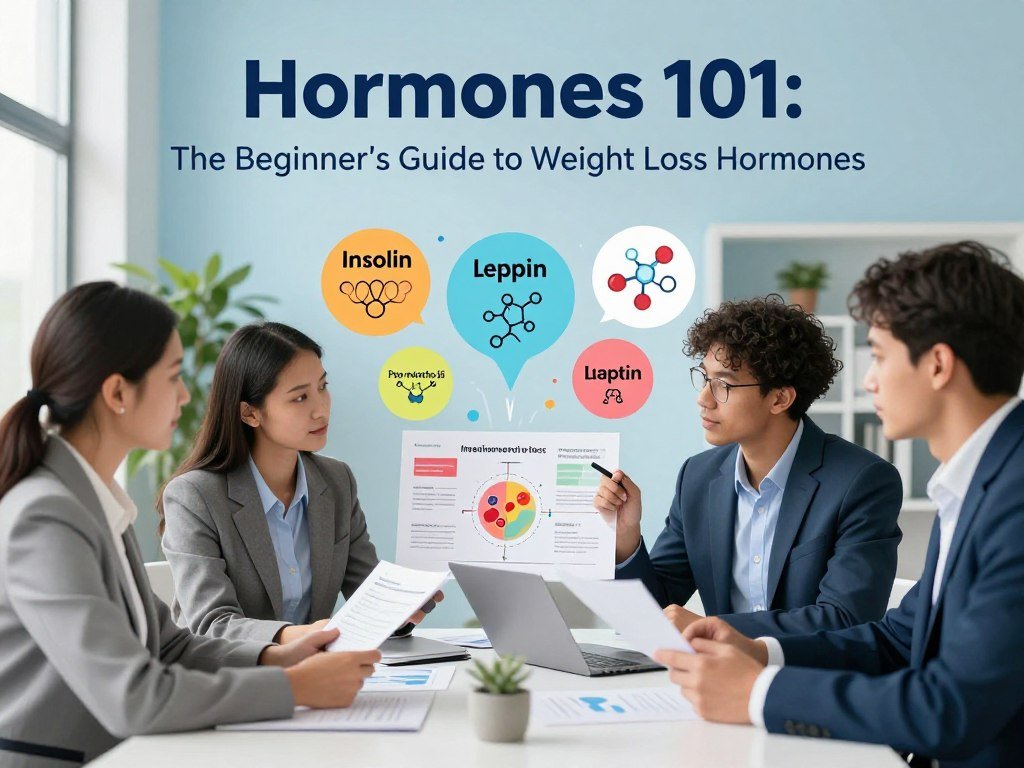
Did you know your body produces over 50 distinct chemical messengers that dictate your daily metabolism? Most people focus entirely on counting calories, yet they ignore the internal signals that control fat storage and energy expenditure.
This hormones 101 overview serves as your essential starting point for understanding the complex endocrine system. By mastering these biological signals, you can finally move beyond restrictive dieting and start working with your body’s natural chemistry.
Learning about weight loss hormones is the first step toward achieving sustainable health goals. This beginners guide to hormones helps you decode how your system decides whether to burn fat for fuel or store it for later. Empower yourself by understanding the science behind your shape.
Key Takeaways
- The endocrine system acts as the primary control center for your metabolism.
- Chemical messengers determine if your body stores fat or burns it for energy.
- Moving beyond simple calorie counting improves long-term health outcomes.
- Understanding biological signals allows for more sustainable lifestyle changes.
- Your body’s natural chemistry plays a larger role in composition than previously thought.
Understanding the Endocrine System and Metabolism
Your metabolism is not just a simple calorie counter; it is a complex network of chemical signals. This system acts as a sophisticated communication web that regulates vital processes throughout the entire human body. For those seeking a beginners guide to hormones, viewing the body as a highly responsive machine is the best place to start.
How Hormones Act as Chemical Messengers
Hormones function as the body’s internal mail system. They travel through the bloodstream to deliver specific instructions to various cells and organs. When a hormone reaches its target, it signals the cell to perform a specific task, such as storing fat or releasing energy.
Think of these signals as precise commands that keep your internal environment stable. Without these messengers, your body would struggle to maintain the balance required for daily survival. This constant flow of information is what keeps your heart beating and your digestion moving smoothly.
The Connection Between Endocrine Function and Energy Expenditure
When this system functions optimally, your metabolism maintains a healthy balance between energy intake and expenditure. It effectively decides whether to burn fuel for immediate activity or store it for later use. Providing hormones for beginners with clear context, we can see how these internal signals dictate your daily energy levels.
The following table highlights how different endocrine functions influence your metabolic state:
| Process | Hormonal Action | Metabolic Result |
|---|---|---|
| Energy Storage | Insulin release | Fat accumulation |
| Energy Release | Glucagon activity | Fuel mobilization |
| Rate Regulation | Thyroid hormones | Basal metabolic speed |
| Appetite Control | Leptin/Ghrelin | Hunger management |
Understanding these interactions is the first step toward mastering your health. By learning how your body communicates, you can make better choices to support your long-term wellness goals. Consistency in these biological processes is the key to a healthy, functioning metabolism.
Hormones 101: The Beginner’s Guide to Weight Loss Hormones
Hormones act as the silent conductors of your metabolic orchestra, dictating how you store and burn energy every single day. Learning the basics of hormones 101 allows you to take control of your health journey with confidence. By understanding these chemical messengers, you can better support your body’s natural ability to manage weight effectively.
Defining the Primary Weight-Regulating Hormones
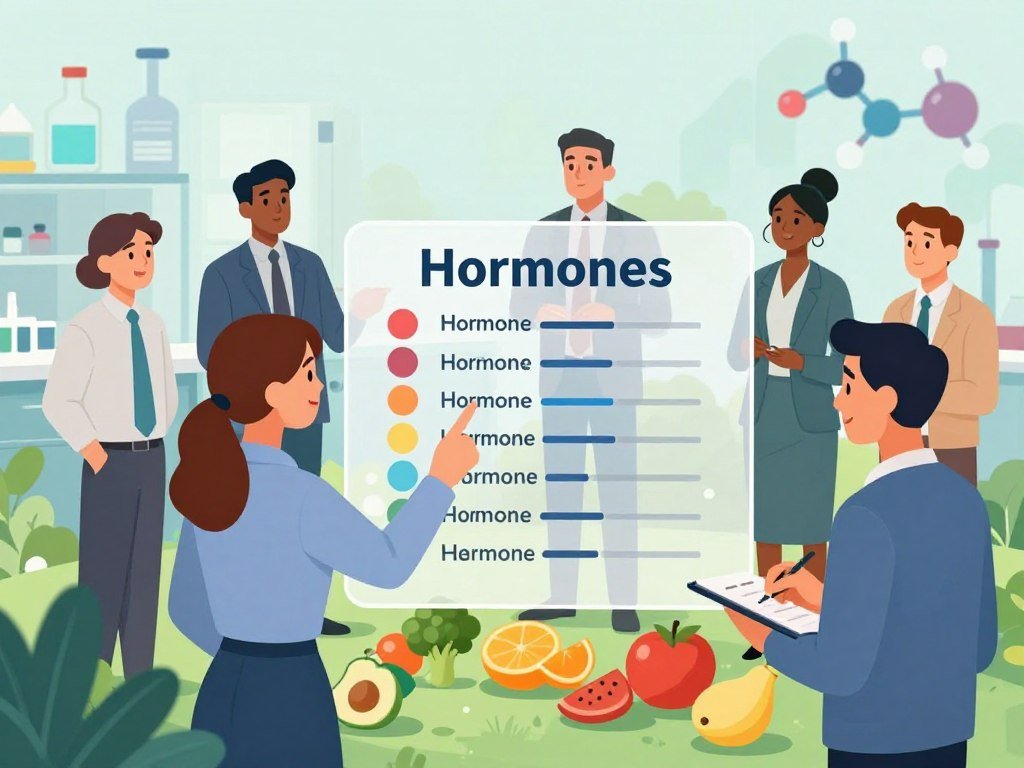
Several key players influence your body composition, and knowing how they function is vital for success. These weight loss hormones include insulin, leptin, and ghrelin, which work together to regulate your hunger and energy levels.
Insulin manages how your cells absorb glucose, while leptin signals to your brain that you are full. Conversely, ghrelin acts as the hunger hormone, letting you know when it is time to refuel. When these signals function correctly, your body maintains a healthy weight without constant struggle.
Why Hormonal Balance is Essential for Sustainable Weight Loss
Achieving a state of equilibrium is the secret to long-term success regarding hormones and weight loss. Your body is designed to manage fuel needs for survival, and it relies on these substances to keep systems running smoothly. Consistency in your hormonal environment prevents the metabolic crashes that often lead to weight regain.
Research shows that when insulin and leptin levels remain stable, the pancreas can release glucagon to help burn stored fat. This process ensures that your blood glucose stays steady even when you are not eating. By keeping your regulatory hormones in balance, you provide your body with the stability it needs to thrive and maintain a healthy weight over time.
The Role of Insulin in Fat Storage
When it comes to managing your weight, few hormones are as influential as insulin. This powerful chemical messenger acts as a gatekeeper, determining whether your body burns stored fat or holds onto it for later use. Understanding this process is a vital step in mastering hormones and weight loss.
Even if your fat cells release fatty acids into the bloodstream, insulin can prevent your body from actually burning them. If your insulin levels remain even slightly elevated, your system may prioritize glucose for energy. In some cases, the body might even break down muscle tissue to create fuel rather than accessing your fat stores.
Insulin Resistance and Its Impact on Weight
Insulin resistance occurs when your cells stop responding effectively to the signals sent by insulin. Because your body cannot process glucose efficiently, it keeps pumping out more insulin to compensate. This cycle creates a metabolic environment that favors fat storage over fat burning.
When you experience this resistance, your body struggles to access its own energy reserves. This makes hormones and weight loss goals much harder to achieve, as your metabolism remains stuck in a storage-heavy mode. Over time, this imbalance can lead to persistent weight gain and difficulty losing body fat.
Strategies to Improve Insulin Sensitivity
The good news is that you can take proactive steps to improve how your body responds to insulin. Small, consistent changes often yield the best results for long-term health. Focusing on hormones and weight loss through better habits can significantly improve your metabolic flexibility.
- Prioritize physical activity: Regular movement helps your muscles soak up glucose, which lowers the need for high insulin levels.
- Choose complex carbohydrates: Opt for fiber-rich foods that cause a slower, more stable rise in blood sugar.
- Manage your stress: High stress levels can indirectly affect your insulin response, so finding time to relax is essential.
- Incorporate strength training: Building muscle mass increases your body’s natural ability to manage glucose effectively.
Consistency is the key to success when working to improve your insulin sensitivity. By making these adjustments, you help your body become more efficient at using stored fat as a primary fuel source.
Cortisol and the Stress-Weight Connection
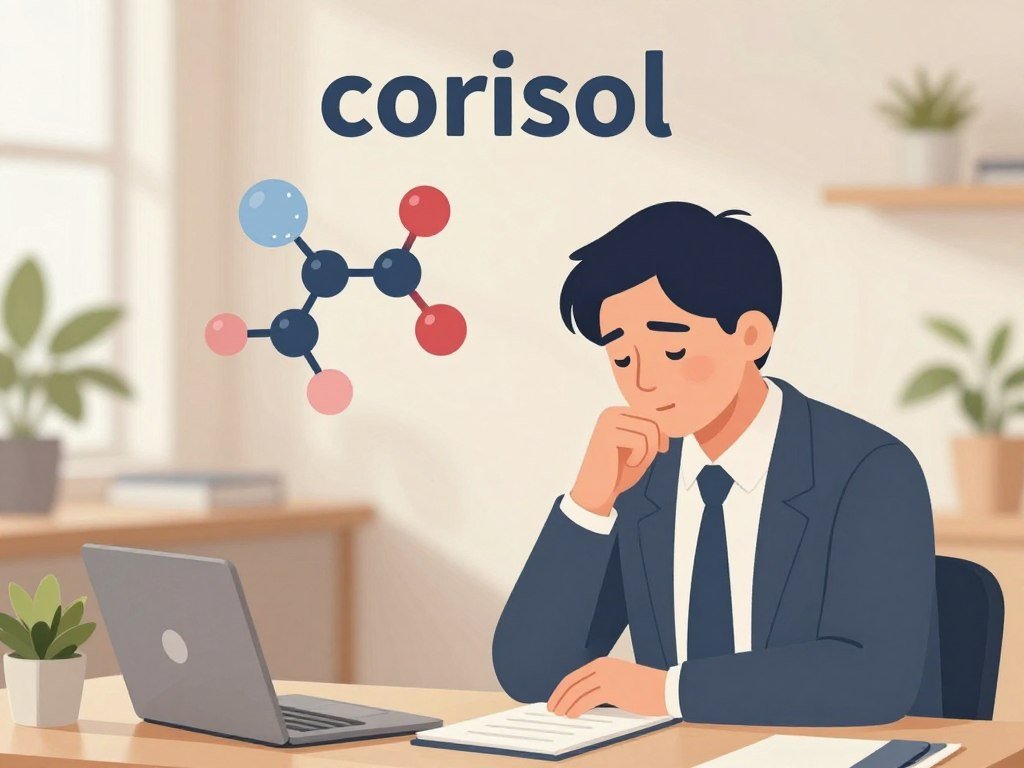
If you are just starting to learn about hormones for beginners, understanding cortisol is a vital first step. This hormone is often called the “stress hormone” because it surges whenever your body perceives a threat. While it was designed to help our ancestors survive immediate danger, modern life keeps many of us in a state of constant, low-level stress.
How Chronic Stress Triggers Fat Retention
When you experience chronic stress, your body enters a prolonged “fight or flight” mode. During this time, your system prioritizes immediate survival over long-term metabolic health. It releases cortisol, which signals the body to store energy as fat, particularly in the abdominal area, to prepare for a perceived future famine.
“Chronic stress is a metabolic disruptor that shifts the body’s priority from burning fat to preserving it for survival.”
This biological response makes it incredibly difficult to lose weight, even if you are eating well. Your body essentially believes it is under attack, so it holds onto fat stores as a protective measure. This is why managing your internal environment is just as important as counting calories.
Managing Cortisol Levels Through Lifestyle Changes
You can take control of your hormonal health by implementing simple, daily habits that signal safety to your nervous system. By lowering your stress levels, you allow your body to shift back into a fat-burning state. Consider these effective strategies for hormones for beginners looking to find balance:
- Prioritize quality sleep: Aim for 7-9 hours to help your body recover from daily stressors.
- Practice mindfulness: Techniques like deep breathing or meditation can lower cortisol levels almost instantly.
- Move your body gently: Avoid overtraining, which can spike cortisol; opt for walking, yoga, or light stretching instead.
- Eat nutrient-dense foods: Focus on whole foods that stabilize blood sugar, preventing the stress-induced hunger spikes that lead to overeating.
Consistency is the key to success when working with your body’s natural rhythms. By creating a lifestyle that fosters calm, you support your metabolism and make sustainable weight loss much more achievable.
Leptin and Ghrelin: The Hunger Regulators
Leptin and ghrelin act as the primary gatekeepers of your daily energy intake. These weight loss hormones communicate constantly with your brain to determine when you need fuel and when you have had enough to eat.
Leptin is produced by your fat cells and signals satiety, while ghrelin is produced in the stomach to trigger hunger. When these systems function correctly, they keep your body weight stable. However, modern lifestyle factors often disrupt this delicate balance.
Understanding Leptin Resistance
Leptin resistance occurs when your brain stops responding to the “I am full” signal sent by your fat cells. Even if you have plenty of stored energy, your brain perceives a state of starvation. This leads to persistent cravings and overeating, which can derail your progress with weight loss hormones.
“The brain’s inability to recognize leptin is akin to a radio signal being drowned out by static; the message is being sent, but it is never received.”
Chronic inflammation and high insulin levels are often the primary culprits behind this resistance. By lowering systemic inflammation, you can help your brain become sensitive to leptin once again.
Managing Ghrelin to Control Appetite
Ghrelin is often called the “hunger hormone” because it spikes right before you eat. Research indicates that after a period of calorie restriction, ghrelin levels can remain elevated for up to a year. This makes the body fight hard to regain lost weight, complicating the use of weight loss hormones for long-term success.
You can take control of your appetite by implementing specific lifestyle habits that keep ghrelin in check:
- Prioritize protein: High-protein meals significantly reduce ghrelin levels compared to high-carb meals.
- Get quality sleep: Sleep deprivation causes a massive surge in ghrelin, leading to intense sugar cravings the next day.
- Eat fiber-rich foods: Fiber slows down digestion, which helps keep you feeling full for longer periods.
By focusing on these strategies, you can effectively manage your hunger signals. Mastering these weight loss hormones is essential for anyone looking to achieve sustainable results without feeling constantly deprived.
Thyroid Hormones and Metabolic Rate
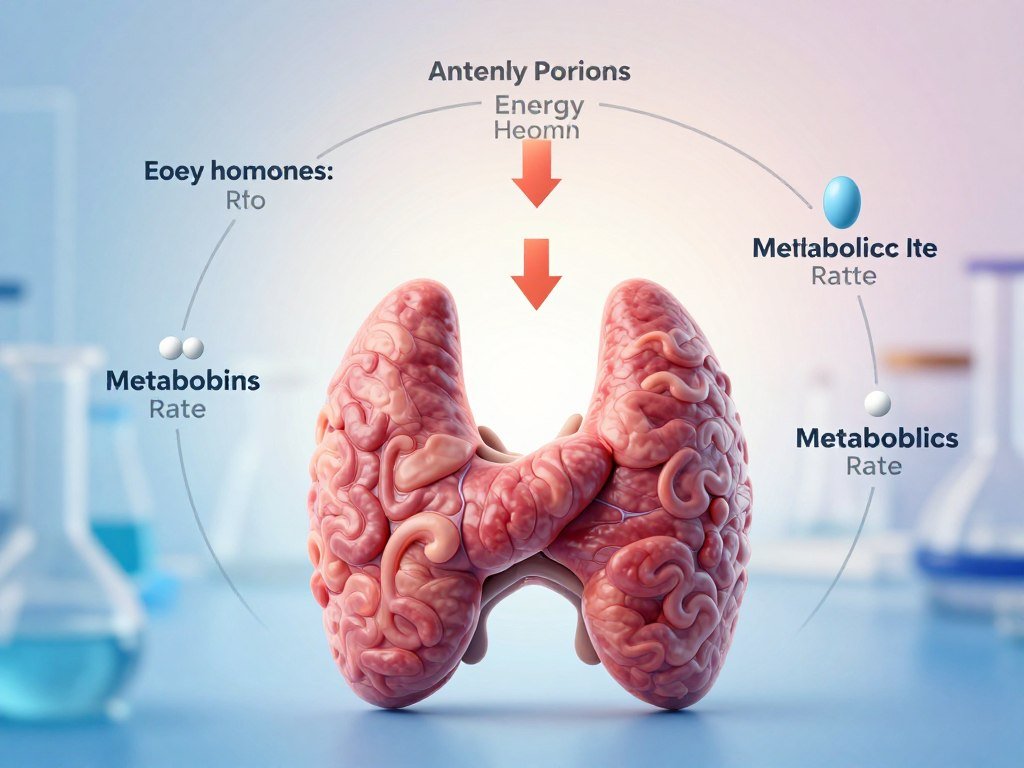
The thyroid gland serves as the master regulator of your entire metabolic rate. This small, butterfly-shaped organ influences how quickly your body burns calories for energy. When this system functions smoothly, your body maintains a healthy balance of energy expenditure.
However, when this gland does not produce enough hormones, your internal processes slow down significantly. This shift can make it feel like your body is working against your best efforts to stay fit. Understanding this gland’s role is vital for anyone struggling with weight loss resistance despite consistent dietary changes.
Hypothyroidism and Weight Gain
Hypothyroidism occurs when the thyroid gland is underactive and fails to secrete enough hormones. This condition often leads to unexplained weight gain and a persistent sense of fatigue that is hard to shake. Because your metabolism slows down, your body burns fewer calories at rest than it normally would.
Many individuals find that even with a clean diet, the scale refuses to budge. This happens because the body is essentially in a state of energy conservation. Recognizing these symptoms early is the first step toward reclaiming your metabolic health.
Nutrients That Support Optimal Thyroid Function
Your thyroid requires specific building blocks to create hormones effectively. Without these essential nutrients, the gland cannot perform its job, leading to a sluggish metabolism. Iodine and selenium are two of the most critical minerals for maintaining healthy thyroid hormone production.
You can support your thyroid by incorporating nutrient-dense foods into your daily meals. Consider these key elements for a healthy endocrine system:
- Iodine: Found in seaweed, fish, and iodized salt, this mineral is a primary component of thyroid hormones.
- Selenium: This powerful antioxidant helps convert inactive thyroid hormones into their active form.
- Zinc: Essential for the synthesis of thyroid hormones and overall immune support.
Focusing on these nutrients helps ensure your body has the raw materials it needs to function at its best. Small, consistent changes in your nutrition can make a significant difference in how your body manages energy and weight.
Estrogen and Progesterone Fluctuations
Many women find that their body composition shifts significantly as their hormone levels naturally fluctuate over time. These two primary female hormones work in a delicate dance to regulate various bodily functions, including metabolism and energy storage. When this balance is disrupted, it can lead to noticeable changes in how your body processes fuel and stores fat.
The Impact of Estrogen Dominance on Body Fat
Estrogen dominance occurs when there is an imbalance between estrogen and progesterone, often with estrogen levels being relatively too high. This state can significantly influence where your body chooses to deposit fat. Many women notice an increase in fat storage specifically around the hips and thighs when these levels are not properly aligned.
It is important to note that extreme lifestyle choices, such as severe fasting, can disrupt these female hormones. When the body perceives a state of starvation, it may alter hormone production to protect vital functions. This can inadvertently lead to further imbalances, making it even harder to maintain a healthy weight.
Hormonal Changes During Menopause and Perimenopause
As women transition through perimenopause and eventually menopause, the production of estrogen and progesterone begins to decline. This natural shift often complicates weight management efforts, as the body’s metabolic rate may slow down. Understanding these natural cycles is the first step toward navigating the challenges that come with these life stages.
During these years, many women experience a redistribution of body fat, often moving toward the abdominal area. While this transition can feel frustrating, focusing on balanced nutrition and consistent movement can help mitigate these effects. By staying informed about your body’s changing needs, you can better support your long-term health and vitality.
Testosterone and Body Composition
Testosterone is often misunderstood as a strictly male hormone, but it plays a vital role in the health of everyone. While many associate it only with strength, this hormone is a key player in how your body manages fat and energy. Maintaining healthy levels is essential for anyone looking to achieve a leaner, more efficient body composition.

The Role of Testosterone in Muscle Maintenance
One of the primary functions of testosterone is the support and preservation of lean muscle tissue. Muscle is metabolically expensive, meaning your body burns more calories just to maintain it compared to fat tissue. By supporting muscle growth, testosterone helps keep your resting metabolic rate high.
When you have more muscle mass, your body becomes a more efficient machine at burning fuel throughout the day. This creates a positive cycle where your hormonal health directly supports your weight management efforts. Without adequate levels, it becomes significantly harder to build the strength needed to keep your metabolism firing at its peak.
Factors That Influence Testosterone Levels in Both Genders
Several lifestyle factors dictate how well your body produces and utilizes testosterone. Physical activity is perhaps the most influential tool you have at your disposal. Engaging in intense exercise, such as heavy weight lifting, sends a signal to your body to optimize hormone production.
Sleep quality also serves as a critical pillar for hormonal balance. During deep sleep, your body performs essential repairs and regulates the release of various hormones, including those that support muscle recovery. Prioritizing consistent, high-quality rest is just as important as your time spent in the gym.
Finally, chronic stress and poor nutrition can hinder your body’s ability to maintain these levels. By focusing on consistent movement and restorative sleep, you provide your endocrine system with the environment it needs to thrive. These small, daily habits are the foundation for a stronger and more resilient body.
Identifying Signs of Hormonal Imbalance
Recognizing the early warning signs of hormonal disruption is the first step toward reclaiming your vitality. When your internal systems are not aligned, your body often struggles to maintain its natural rhythm, which can directly impact your ability to achieve hormone balance for weight loss.
By paying close attention to the signals your body sends, you can address potential issues before they become significant health challenges. Awareness is a powerful tool in your wellness journey.
Common Physical Symptoms of Hormonal Disruption
Physical changes are often the most visible indicators that your endocrine system needs support. Many people notice that even with consistent diet and exercise, their body composition does not shift as expected.
Keep an eye out for these common physical markers that suggest your hormone balance for weight loss may be compromised:
- Unexplained weight gain, particularly around the midsection.
- Persistent fatigue that does not improve with rest.
- Noticeably dry skin or sudden changes in skin texture.
- Weak, brittle nails that break easily.
- Frequent digestive discomfort or bloating.
Behavioral and Emotional Indicators of Imbalance
Beyond physical changes, your mental and emotional state provides vital clues about your internal health. Hormones act as chemical messengers that influence your mood, focus, and overall sense of well-being.
When these messengers are out of sync, you might experience unexpected mood swings or heightened irritability. These emotional shifts are not just “in your head”; they are often physiological responses to hormonal fluctuations.
If you find yourself feeling overwhelmed by stress or struggling with brain fog, it may be time to prioritize your hormone balance for weight loss. Taking proactive steps to stabilize these levels can lead to a more balanced, energetic, and positive daily experience.
Lifestyle Strategies for Natural Hormone Regulation
Mastering hormone regulation for beginners starts with understanding how your environment and activity levels shape your health. You do not always need medical intervention to see positive changes in your metabolic markers. By making intentional, consistent adjustments to your daily routine, you can create a supportive environment for your body to thrive.

The Importance of Regular Physical Activity
Movement is one of the most effective tools for balancing your internal chemistry. Engaging in a mix of strength training and cardiovascular exercise helps improve insulin sensitivity, which is vital for maintaining a healthy weight. When your muscles work harder, they become more efficient at utilizing glucose, preventing the spikes that lead to fat storage.
Incorporating intermittent fasting into your routine can further enhance these benefits. This practice helps lower baseline insulin levels, allowing your body to access stored fat more effectively. Whether you prefer a brisk walk or heavy lifting, staying active is a cornerstone of effective hormone regulation for beginners.
“The greatest wealth is health, and the most powerful medicine is the consistent application of healthy daily habits.”
Managing Environmental Toxins and Endocrine Disruptors
Your endocrine system is sensitive to the chemicals you encounter in your home and workplace. Many everyday products contain endocrine disruptors, which are substances that mimic or interfere with your natural hormones. Reducing your exposure to these chemicals is a critical step in protecting your metabolic function.
Consider swapping out plastic food containers for glass and choosing fragrance-free cleaning supplies to minimize your chemical load. By being mindful of what you touch and inhale, you provide your body with the stability it needs to function optimally. The following table outlines how specific lifestyle habits influence your hormonal health.
| Lifestyle Habit | Primary Hormonal Benefit | Impact Level |
|---|---|---|
| Strength Training | Boosts Insulin Sensitivity | High |
| Intermittent Fasting | Lowers Insulin Levels | High |
| Reducing Plastics | Limits Endocrine Disruptors | Moderate |
| Cardio Exercise | Improves Metabolic Rate | Moderate |
Ultimately, hormone regulation for beginners is about building a foundation of wellness. When you combine regular movement with a cleaner living environment, you empower your body to maintain balance naturally. These small, sustainable changes yield the best long-term results for your health.
Nutritional Approaches to Support Hormonal Health
Achieving hormone balance for weight loss is much easier when you view your kitchen as a pharmacy for your body. Your daily food choices provide the essential raw materials needed for your endocrine system to function at its peak. By focusing on whole, nutrient-dense ingredients, you give your body the tools required to maintain internal harmony.
The Role of Healthy Fats in Hormone Production
Many people mistakenly fear dietary fats, but they are actually critical for your health. Your body requires healthy fats to synthesize hormones like estrogen, progesterone, and cortisol. Without these fats, your endocrine system struggles to send the right signals to your cells.
Incorporating sources like avocados, walnuts, and olive oil helps stabilize your blood sugar levels throughout the day. When your blood sugar remains steady, your body is less likely to store excess fat. Prioritizing these fats is a foundational step in your journey toward better hormone balance for weight loss.
Fiber and Protein: Building Blocks for Balance
Protein is the primary building block for your body, and it plays a massive role in satiety. Eating enough high-quality protein helps you feel full longer, which naturally reduces the urge to overeat. Furthermore, protein supports a healthy metabolism by maintaining lean muscle mass.
Fiber acts as a regulator for your digestive system and helps clear out excess hormones that your body no longer needs. A diet rich in vegetables, legumes, and seeds ensures that your system stays clean and efficient. Combining these nutrients creates a powerful synergy that supports your long-term wellness goals.
| Nutrient Category | Primary Benefit | Best Food Sources |
|---|---|---|
| Healthy Fats | Hormone Synthesis | Avocado, Olive Oil, Salmon |
| High-Quality Protein | Satiety & Muscle | Eggs, Lentils, Lean Poultry |
| Dietary Fiber | Blood Sugar Control | Chia Seeds, Broccoli, Berries |
By integrating these specific food groups into your daily routine, you create a sustainable path for hormone balance for weight loss. Focus on variety and quality to ensure your body receives the full spectrum of nutrients it needs to thrive.
The Impact of Sleep and Recovery on Hormones
Sleep is not just a time for rest; it is a vital period for regulating the hormones that control your metabolism. While you drift off, your body works hard to repair tissues and balance the chemical messengers that dictate your energy levels. Ignoring this phase can undermine even the most dedicated health efforts.

How Sleep Deprivation Disrupts Hunger Hormones
When you do not get enough sleep, your body struggles to maintain the delicate balance of hunger-regulating hormones. Specifically, sleep deprivation causes a spike in ghrelin, the hormone that signals hunger to your brain. Simultaneously, it suppresses leptin, the hormone responsible for telling you that you are full.
This hormonal mismatch creates a perfect storm for overeating. You may find yourself craving high-calorie, sugary foods the next day because your body is desperately seeking quick energy. Prioritizing rest is essential to keep these signals in check and prevent unnecessary weight gain.
Creating a Sleep Hygiene Routine for Hormonal Health
Building a consistent sleep hygiene routine is one of the most effective ways to reset your internal clock. Start by setting a strict bedtime and wake-up time, even on weekends, to stabilize your circadian rhythm. Consistency helps your endocrine system predict when to release specific hormones for recovery.
You should also create a calming environment in your bedroom to signal to your brain that it is time to wind down. Consider these simple habits to improve your sleep quality:
- Keep your bedroom cool, dark, and quiet to promote deep sleep.
- Avoid blue light from screens at least one hour before you go to bed.
- Establish a relaxing ritual, such as reading a book or practicing light stretching.
- Limit caffeine and heavy meals in the late afternoon and evening hours.
By making these small adjustments, you support your body’s natural ability to maintain optimal hormonal balance. Remember that recovery is just as important as your daily activity level when it comes to long-term health success.
When to Consult a Medical Professional
While healthy habits form the foundation of wellness, there are moments when your body requires a deeper level of medical insight. If you find that your symptoms persist despite a disciplined routine, it is time to consider professional medical support. Listening to your body is the first step toward achieving lasting balance.
Recognizing When Self-Care Isn’t Enough
Lifestyle changes are incredibly powerful, but they are not always a cure-all for complex endocrine issues. You should seek guidance if you experience chronic symptoms that interfere with your daily quality of life. This is especially important if you are struggling with unexplained infertility or severe hormonal conditions that do not respond to diet and exercise.
Persistent fatigue, sudden weight fluctuations, or mood disturbances that linger for months are clear indicators that you need a professional evaluation. Early intervention can prevent minor imbalances from developing into more significant health challenges. Do not hesitate to reach out to a healthcare provider if you feel that your current efforts are simply not moving the needle.
Diagnostic Testing for Hormonal Issues
When you visit a specialist, they will likely suggest comprehensive diagnostic testing to get a clear picture of your internal environment. These labs go beyond standard blood work to look at the intricate web of your hormonal markers. By identifying the root cause of your concerns, a doctor can help you move past guesswork.
Working with a functional medicine expert allows you to receive a targeted plan of action tailored to your specific biochemistry. These professionals often look at how different systems in your body interact rather than just treating isolated symptoms. With the right data in hand, you can finally create a strategy that truly supports your unique health needs.
Conclusion
Mastering your internal chemistry is a journey that requires patience and consistency. You now possess the tools to navigate hormone regulation for beginners with confidence. Your body responds best when you provide it with steady support through nutrition and rest.
Integrating these lifestyle changes creates a sustainable path toward your weight loss goals. Every small adjustment you make builds a stronger foundation for your long-term vitality. Focus on the habits that feel manageable in your daily routine.
There is no single solution that works for everyone. Your unique biology dictates the pace of your progress. Prioritize your well-being by listening to the signals your body sends each day.
Commit to these practices to see how your energy levels shift over time. Share your experiences with friends or join a community focused on wellness to stay motivated. Your path to health is a personal adventure that rewards your dedication.
FAQ
What is the most important thing to understand about hormones 101 and weight loss?
How does insulin affect my body’s ability to burn fat?
Why do I feel constantly hungry when I try to cut calories?
How do estrogen and progesterone fluctuations impact weight in women?
Does testosterone play a role in weight loss for both men and women?
Can stress really cause me to retain body fat?
What are the best foods to eat for hormone regulation for beginners?
What are endocrine disruptors and should I be worried about them?
How do I know if my weight issues are caused by a thyroid problem?
When should I stop trying to manage my hormones on my own and see a doctor?
 ✦ Verified Expert
Mahua Dutta
International Yoga Alliance Certified Instructor · Nutrition & Dietetics Advisor · Holistic Health Coach
Mahua is an internationally certified Online Yoga Therapeutic Instructor and Holistic Wellness Coach who blends ancient yogic wisdom with modern wellness science. Her work helps women build balance, strength, inner peace, and sustainable well-being through yoga, mindfulness, nutrition, Ayurveda, and meditation — especially for hormonal health and metabolic transformation.