
Did you know that shedding just a few extra pounds can significantly lower your risk of suffering a heart attack or stroke? For many people, the journey toward better health starts with simple, consistent movement. Taking control of your physical well-being is one of the most rewarding decisions you can make.
Staying active is a vital pillar of managing your body composition and protecting your cardiovascular system. When you combine a nutritious diet with regular exercise, you create a powerful strategy for long-term success. Finding the best home workouts for weight loss does not have to be complicated or expensive.
You can achieve your fitness goals right in your living room with minimal equipment. This guide provides effective home workouts for weight loss designed to fit into your busy schedule. Let’s start your transformation toward a healthier, more vibrant life today.
Key Takeaways
- Reducing body mass helps lower the risk of serious heart conditions.
- Consistency in physical activity is more important than intensity.
- Combining healthy eating with movement yields the best results.
- You do not need a gym membership to reach your fitness targets.
- Simple routines performed in your living room can be highly effective.
The Science Behind Effective Home Workouts for Weight Loss
Science tells us that weight loss is essentially a game of energy math. To shed unwanted pounds, you must burn more energy than you consume through your daily diet. When you engage in weight loss exercises at home, you are actively increasing your total energy expenditure, which helps create the necessary deficit for fat reduction.
However, simply cutting calories is not enough to achieve a healthy, toned physique. You must also focus on preserving your lean muscle mass. Muscle tissue is metabolically active, meaning it burns more calories at rest than fat tissue does. By incorporating strength-based weight loss exercises at home, you effectively boost your resting metabolic rate, allowing your body to burn more fuel even while you sleep.
Sustainable results are rarely the product of quick fixes or fad diets. Instead, they come from consistent, science-backed habits that prioritize long-term health. Understanding how your body processes energy allows you to make smarter choices about your activity levels and recovery needs.
The following table illustrates how different types of movement contribute to your overall energy balance and metabolic health:
| Activity Type | Primary Benefit | Metabolic Impact |
|---|---|---|
| Strength Training | Muscle Retention | High (Increases RMR) |
| HIIT Cardio | Calorie Burn | Very High (Short-term) |
| Active Recovery | Muscle Repair | Low (Supports Consistency) |
| Daily Movement | Energy Balance | Moderate (Cumulative) |
By focusing on these principles, you can transform your living room into a highly effective training space. Remember that consistency is the true engine of your progress. When you view your fitness routine as a scientific approach to health rather than a chore, you are much more likely to stick with your weight loss exercises at home for the long haul.
Essential Equipment for Your At-Home Fitness Journey
Your living room can become the perfect space for the best home workouts for weight loss. Many people assume that achieving fitness goals requires expensive machines or a costly gym membership. In reality, you can reach your targets using simple items you already own.
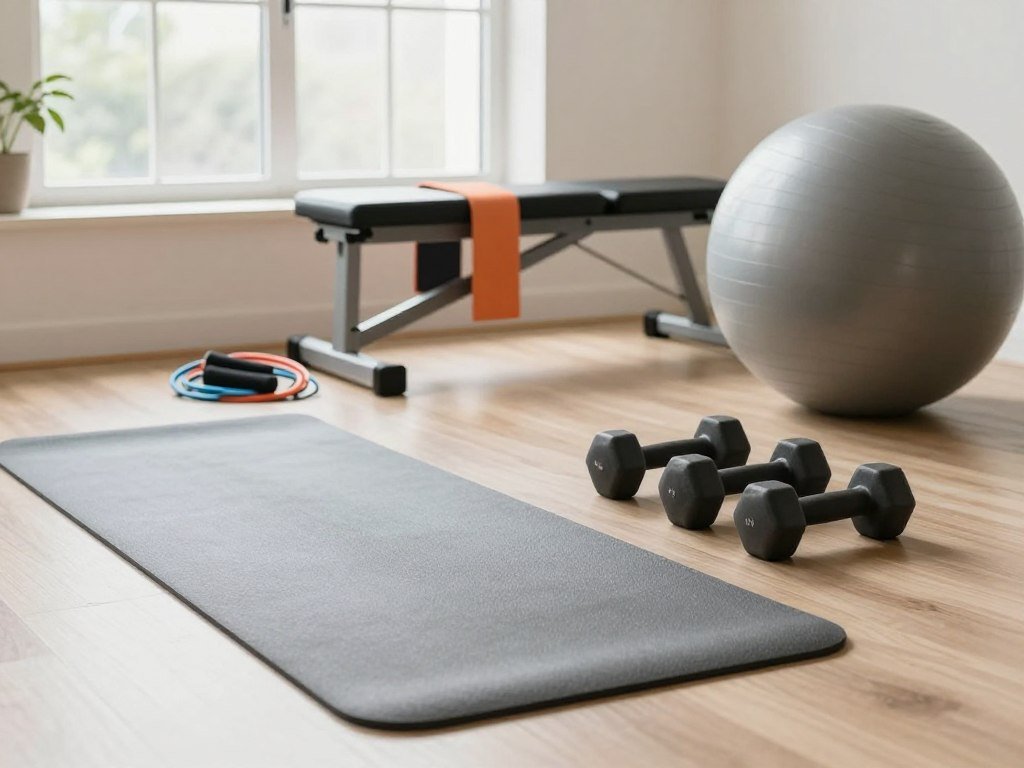
You can easily replace traditional dumbbells with common household objects. For instance, water bottles or canned food provide excellent resistance for arm curls and shoulder presses. These items are perfect for beginners who want to start their journey without spending a dime.
If you want to add more variety, consider purchasing a set of resistance bands. They are incredibly affordable, lightweight, and highly effective for muscle toning. Integrating these tools into your routine ensures that the best home workouts for weight loss remain challenging and sustainable over time.
| Household Item | Gym Equivalent | Primary Use |
|---|---|---|
| Water Bottles | Light Dumbbells | Upper Body Toning |
| Canned Goods | Hand Weights | Strength Training |
| Sturdy Chair | Exercise Bench | Step-ups and Dips |
| Resistance Bands | Cable Machines | Full-Body Resistance |
By utilizing these accessible tools, you remove the barriers that often prevent people from starting. Consistency is the key to success, and having your equipment ready at home makes it much easier to stay on track. Start small, stay focused, and watch your progress grow.
High Intensity Interval Training for Maximum Calorie Burn
Maximizing your calorie burn does not require hours of steady-state cardio. High-Intensity Interval Training, or HIIT, utilizes short bursts of maximum effort followed by brief recovery periods to keep your metabolism firing. This method is perfect for busy individuals who need effective home workout routines that fit into a tight schedule.
Designing Your First HIIT Circuit
To build your first circuit, choose four to five compound movements that target different muscle groups. Exercises like mountain climbers, burpees, and high knees are excellent choices because they elevate your heart rate quickly. Consistency is key, so keep the movements simple enough to perform with proper form even when you are tired.
Start by performing each exercise for 30 seconds at your maximum intensity. Follow this with 30 seconds of active recovery, such as walking in place or light stretching. Repeat this cycle for three to four rounds to complete a full, high-impact session.
Managing Rest Intervals for Optimal Fat Loss
Managing your rest intervals correctly is the secret to ensuring your heart rate stays in the fat-burning zone. If you rest for too long, your heart rate drops, and you lose the metabolic advantage of the interval. Conversely, resting too little can lead to poor form and potential injury.
A 1:1 work-to-rest ratio is a great starting point for beginners. As you get stronger, you can experiment with a 2:1 ratio, where you work for 40 seconds and rest for only 20 seconds. This progression helps you maintain effective home workout routines that continue to challenge your body over time.
Bodyweight Strength Training to Boost Metabolism
You can transform your physique using nothing but your own body weight and gravity. Incorporating at-home workouts to lose weight into your routine is a highly effective way to fire up your metabolism. By challenging your muscles, you encourage your body to burn more calories even while you are resting.
Compound Movements for Full-Body Engagement
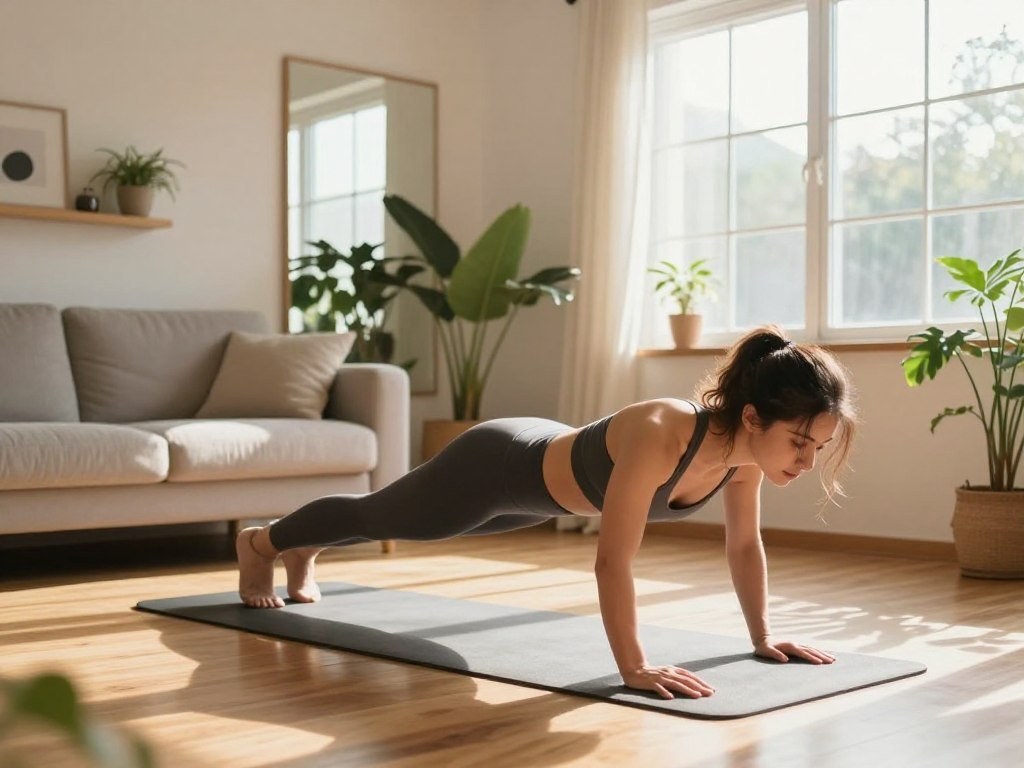
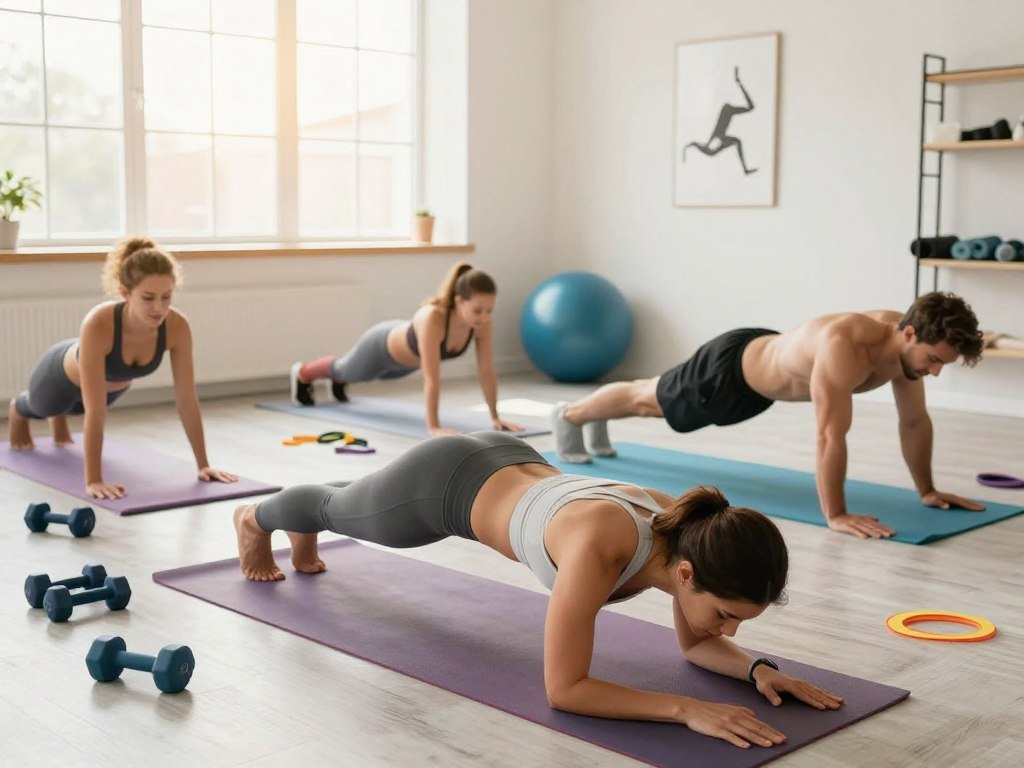
Compound exercises are the gold standard for efficiency because they recruit multiple muscle groups at once. Movements like squats, lunges, and push-ups force your heart rate to climb while building functional strength. Engaging your entire body in a single motion maximizes your energy expenditure during every session.
When you perform these movements, you stabilize your core and improve your balance simultaneously. This holistic approach ensures that your at-home workouts to lose weight remain challenging and productive. Consistency with these patterns helps turn your body into a more efficient machine.
Progressive Overload Techniques Without Weights
Progressive overload is the secret to long-term fitness success. You do not need heavy iron plates to keep seeing results; you simply need to make your movements more demanding over time. You can achieve this by slowing down your tempo, increasing your repetitions, or shortening your rest periods.
Another effective method is to adjust your leverage to make the exercise harder. For example, elevating your feet during a push-up shifts more weight to your upper body, increasing the intensity. These small adjustments ensure that your at-home workouts to lose weight continue to provide the stimulus needed for muscle growth and fat loss.
| Exercise | Primary Muscles | Metabolic Impact |
|---|---|---|
| Bodyweight Squats | Quads, Glutes, Core | High |
| Push-ups | Chest, Shoulders, Triceps | Moderate-High |
| Plank Variations | Core, Shoulders | Moderate |
| Mountain Climbers | Full Body, Cardiovascular | Very High |
Yoga and Pilates Flows for Sustainable Weight Management
If you want to diversify your at-home workouts to lose weight, consider adding mindful movement practices. While high-intensity training is effective, incorporating yoga and Pilates at least twice a week creates a more balanced approach to your fitness journey. These disciplines help you maintain consistency by providing a lower-impact alternative that supports long-term health.
Building Core Strength Through Controlled Movement
Yoga and Pilates focus on intentional, slow movements that target deep muscle groups often missed by traditional cardio. By engaging your core throughout these flows, you build a solid foundation of stability. This internal strength is essential for performing other exercises with better form and efficiency.
When you master these controlled movements, you improve your body’s overall alignment. A strong core acts as the powerhouse for your daily activities and more intense training sessions. Consistent practice helps you develop lean muscle, which is a key component of any successful plan for at-home workouts to lose weight.
Improving Flexibility to Enhance Workout Performance
Flexibility is frequently the missing link in many fitness routines. By dedicating time to stretching and lengthening your muscles, you increase your range of motion. This improvement allows you to squat deeper, lunge further, and move with greater ease during your regular sessions.
Furthermore, these flows are excellent for active recovery, helping your body repair after strenuous exercise. When your muscles are supple and flexible, you reduce the risk of injury and stay consistent with your goals. Integrating these practices into your at-home workouts to lose weight ensures that your body remains resilient and ready for every challenge.
Cardio-Focused Routines You Can Do in Your Living Room
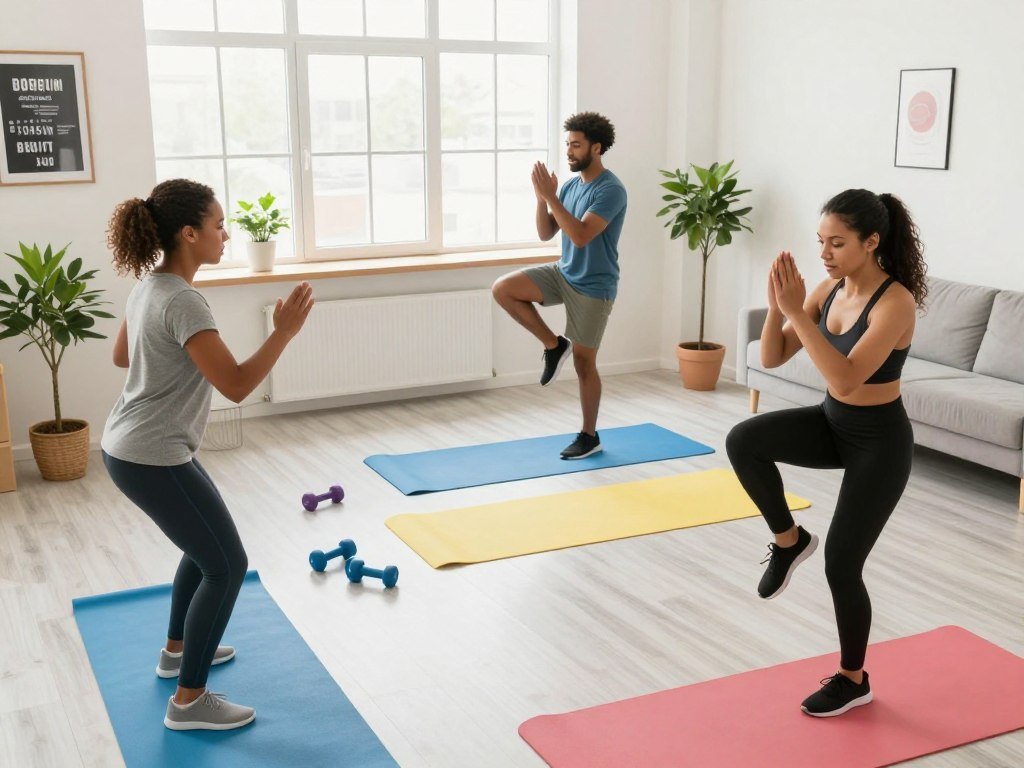
You can transform your living room into a high-energy fitness studio with just a few simple movements. Engaging in regular cardiovascular activity is essential for your long-term health, with experts recommending at least 150 minutes of moderate-intensity exercise every week. These quick weight loss home workouts are designed to help you meet those goals efficiently while maximizing your calorie burn in a small space.
Jump Rope Variations for Rapid Heart Rate Elevation
Jumping rope is one of the most effective ways to spike your heart rate in seconds. You do not need a large area to perform this exercise, making it a staple for quick weight loss home workouts. Start with basic bounces, then progress to high knees or alternating foot taps to keep your body challenged.
Consistency is key when using a jump rope to improve your cardiovascular endurance. Try incorporating short bursts of high-intensity jumping followed by brief rest periods to keep your metabolism firing throughout the day.
Shadow Boxing Techniques for Agility and Endurance
Shadow boxing is a fantastic way to build upper body strength and improve your overall coordination. By throwing controlled punches at the air, you engage your core and shoulders while keeping your feet moving constantly. This practice is perfect for those seeking quick weight loss home workouts that also sharpen mental focus.
Focus on your form rather than just speed to ensure you are working your muscles correctly. You can easily integrate these movements into a circuit to maintain a high heart rate for the duration of your session.
| Exercise Type | Intensity Level | Primary Benefit | Estimated Calorie Burn |
|---|---|---|---|
| Jump Rope | High | Agility & Heart Health | 12-15 per minute |
| Shadow Boxing | Moderate-High | Endurance & Coordination | 8-10 per minute |
| High Knees | High | Core & Leg Power | 10-12 per minute |
By rotating through these movements, you create a dynamic routine that keeps your fitness journey exciting. Remember that staying active is the most important factor in achieving your goals, so find the rhythm that works best for your lifestyle.
Low-Impact Exercises for Joint-Friendly Weight Loss
Starting a fitness journey does not have to mean putting your joints through unnecessary stress. Many people believe that intensity is the only way to see results, but consistency and proper form are far more important for long-term success. These quick weight loss home workouts are designed to be gentle on your body while still providing a challenging and effective burn.
Modified Squats and Lunges for Beginners
If you are just starting out, traditional squats and lunges might feel intimidating or painful. You can easily modify these movements to protect your knees and hips while still building functional strength. Try performing a “chair squat” by sitting back until your glutes lightly touch a chair before standing back up.
For lunges, consider using a wall for balance or performing a static split squat instead of a walking lunge. This reduces the impact on your joints and allows you to focus on engaging your core and glute muscles. By prioritizing control over speed, you create a safe environment for your muscles to grow.
“The secret to progress is not found in how hard you push, but in how well you listen to your body’s needs.”
Utilizing Resistance Bands for Gentle Resistance
Resistance bands are an incredible tool for anyone looking to add tension to their movements without the heavy load of iron weights. They provide constant resistance throughout the entire range of motion, which is excellent for muscle toning. Because they are lightweight and portable, they fit perfectly into any routine focused on quick weight loss home workouts.
You can use bands for seated rows, lateral leg raises, or bicep curls to keep your joints stable. These exercises help you maintain a steady heart rate while minimizing the risk of injury. Below is a comparison of how these low-impact movements compare to traditional high-impact exercises.
| Exercise Type | Joint Impact | Primary Benefit |
|---|---|---|
| Modified Squats | Low | Leg Strength |
| Resistance Band Rows | Very Low | Back Stability |
| Static Lunges | Low | Balance & Core |
| High-Impact Jumping | High | Calorie Burn |
Incorporating these gentle techniques ensures that your fitness program remains sustainable for years to come. Remember that every small movement counts toward your overall health goals. By choosing these joint-friendly options, you are setting yourself up for a lifetime of movement and vitality.
The Role of Consistency in Home Workout Programs for Weight Loss
Consistency is the secret ingredient that turns simple movement into lasting weight loss results. While high-intensity sessions are great, they only work if you perform them regularly. By prioritizing home workouts for weight loss, you create a rhythm that your body eventually craves.
Sticking to a set schedule helps you build the habits necessary for long-term success. When you treat your home workout programs for weight loss as non-negotiable appointments, you remove the guesswork from your day. This mindset shift creates the momentum needed to see real physical changes over time.
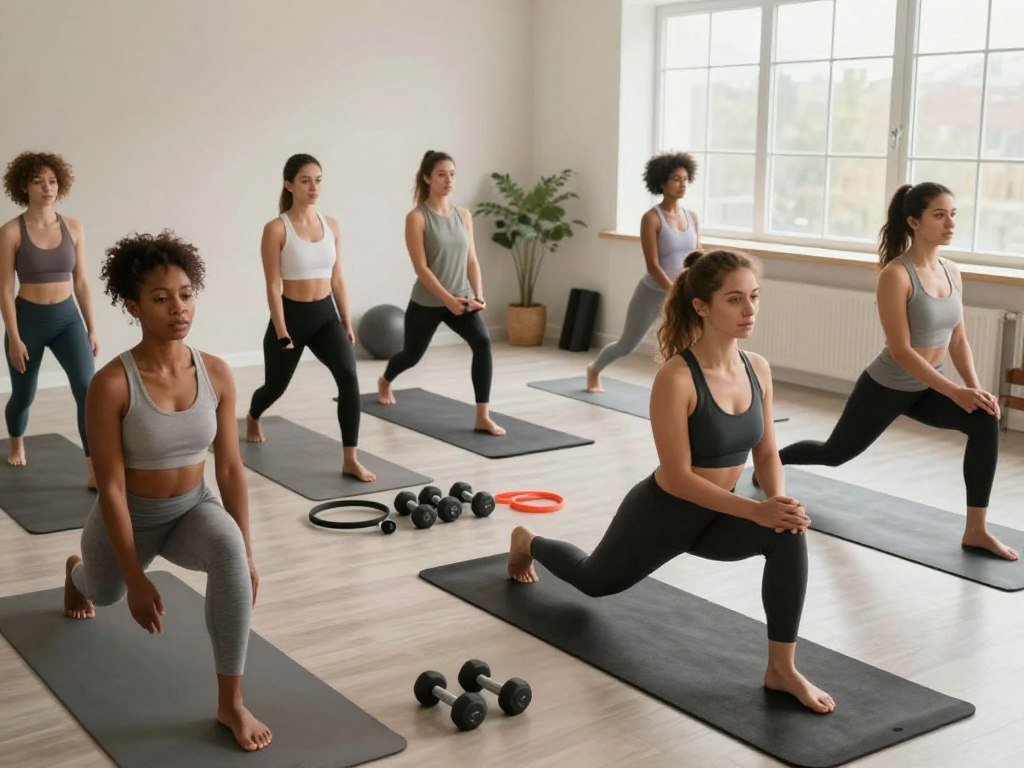
It is natural for motivation to wane after the initial excitement of a new routine fades. To stay on track, consider these practical strategies for maintaining your commitment:
- Prepare your space: Keep your mat or equipment ready so you can start immediately.
- Use a calendar: Mark your workout days clearly to visualize your progress.
- Start small: If you feel tired, commit to just ten minutes of movement to keep the habit alive.
- Find an accountability partner: Sharing your goals with a friend can keep you focused on your home workouts for weight loss.
Remember that perfection is not the goal; showing up is the goal. Even on days when you feel less energetic, completing a shorter session is better than skipping it entirely. This approach ensures that your home workout programs for weight loss remain a permanent part of your lifestyle rather than a temporary fix.
Structuring Your Weekly Fitness Schedule
Creating a consistent weekly plan is the secret to long-term fitness success. When you map out your movement, you remove the guesswork from your daily routine. Aiming for 20 to 30 minutes of physical activity each day helps you build momentum while keeping your body challenged through effective home workout routines.
Balancing Strength Days and Cardio Days
To see the best results, you should alternate between different types of movement. Strength training builds the lean muscle mass needed to boost your metabolism, while cardio sessions improve your heart health and burn calories. Mixing these styles prevents your body from hitting a plateau.
Try dedicating three days a week to strength-focused movements and two days to high-energy cardio. This split ensures that you are not overworking the same muscle groups two days in a row. By rotating your focus, you keep your sessions fresh and exciting.
Incorporating Active Recovery for Muscle Repair
Rest is not just about sitting on the couch; it is a vital part of your training cycle. Active recovery days allow your muscles to repair and grow stronger after intense effort. These lighter sessions help flush out metabolic waste and reduce soreness.
On your recovery days, consider gentle activities like walking, light stretching, or restorative yoga. These movements keep your blood flowing without placing excessive strain on your joints. Embracing these rest periods is essential for anyone following effective home workout routines to ensure they stay injury-free and motivated for the long haul.
Nutrition Strategies to Complement Your Weight Loss Exercises at Home
Your kitchen is just as important as your living room when you start a fitness journey. While consistent movement is vital, the food you consume acts as the primary fuel for your weight loss exercises at home. Aligning your daily meals with your physical activity helps you maximize results and maintain long-term health.
Prioritizing Protein for Muscle Retention
When you focus on shedding body fat, your body often looks for energy sources beyond stored fat. Prioritizing protein is essential to ensure your body preserves lean muscle mass during this process. Including high-quality protein in every meal helps repair tissues damaged during your workouts.
Try to incorporate lean sources like chicken, tofu, beans, or Greek yogurt into your diet. These foods provide the amino acids necessary for recovery and strength. By keeping your protein intake high, you support your metabolism while performing your favorite weight loss exercises at home.
Hydration Habits for Peak Energy Levels
Water is the most overlooked component of a successful fitness plan. Proper hydration habits ensure you have the energy required to perform at your best during every session. Even mild dehydration can lead to fatigue, which makes it harder to stay consistent with your routine.
Aim to drink water throughout the day rather than just during your workout. If you find plain water boring, try adding a slice of lemon or cucumber for a refreshing twist. Staying hydrated keeps your joints lubricated and your muscles functioning efficiently during intense movements.
| Nutrient Category | Primary Benefit | Best Food Sources |
|---|---|---|
| Protein | Muscle Repair | Eggs, Lentils, Fish |
| Complex Carbs | Sustained Energy | Oats, Quinoa, Sweet Potatoes |
| Healthy Fats | Hormonal Balance | Avocado, Nuts, Olive Oil |
| Hydration | Performance Boost | Water, Herbal Tea, Berries |
By balancing these nutritional pillars, you create a sustainable environment for your body to thrive. Remember that consistency in your diet is just as powerful as consistency in your weight loss exercises at home. Small, intentional changes to your plate will lead to significant improvements in your overall fitness journey.
Tracking Progress Beyond the Scale
If you want to stay motivated, it is time to look beyond the scale for signs of success. Many people find that the number on the scale is a poor indicator of their actual health progress. Focusing only on weight can often lead to unnecessary frustration when your body is actually changing in positive ways that the scale simply cannot measure.
One of the most rewarding ways to track your journey is by monitoring your strength and endurance gains. You might notice that you can perform more repetitions of a squat or hold a plank for longer than you could just a few weeks ago. These improvements are clear evidence that your muscles are becoming more efficient and your cardiovascular health is improving.
Another excellent metric is how your clothes fit. Often, you will find that your favorite pair of jeans feels looser around the waist even if your weight remains the same. This happens because you are building lean muscle while losing body fat, which is a much healthier and more sustainable transformation than simple weight loss.
Keeping a simple journal can help you record these non-scale victories. When you document your increased energy levels, better sleep quality, and improved mood, you create a holistic view of your health. This approach helps you stay consistent and positive, even during weeks when the scale does not move as quickly as you might expect.
“Success is not just about the destination, but the small, consistent wins you achieve every single day.”
By shifting your focus to these tangible markers, you build a healthier relationship with your fitness routine. Remember that your worth is not defined by a number. Celebrate the fact that you are becoming stronger, faster, and more capable every time you complete a workout at home.
Overcoming Common Plateaus in Your Fitness Routine
Reaching a fitness plateau is a natural part of any long-term health journey. When you follow home workout programs for weight loss, your body eventually adapts to the specific demands you place on it. This adaptation is a sign that you have become stronger, but it can also lead to a frustrating stall in your results.
Understanding that these plateaus are normal helps you stay patient and persistent. Instead of feeling discouraged, view this as a signal that your body is ready for a new challenge. You can easily jumpstart your progress by introducing variety into your daily movement patterns.
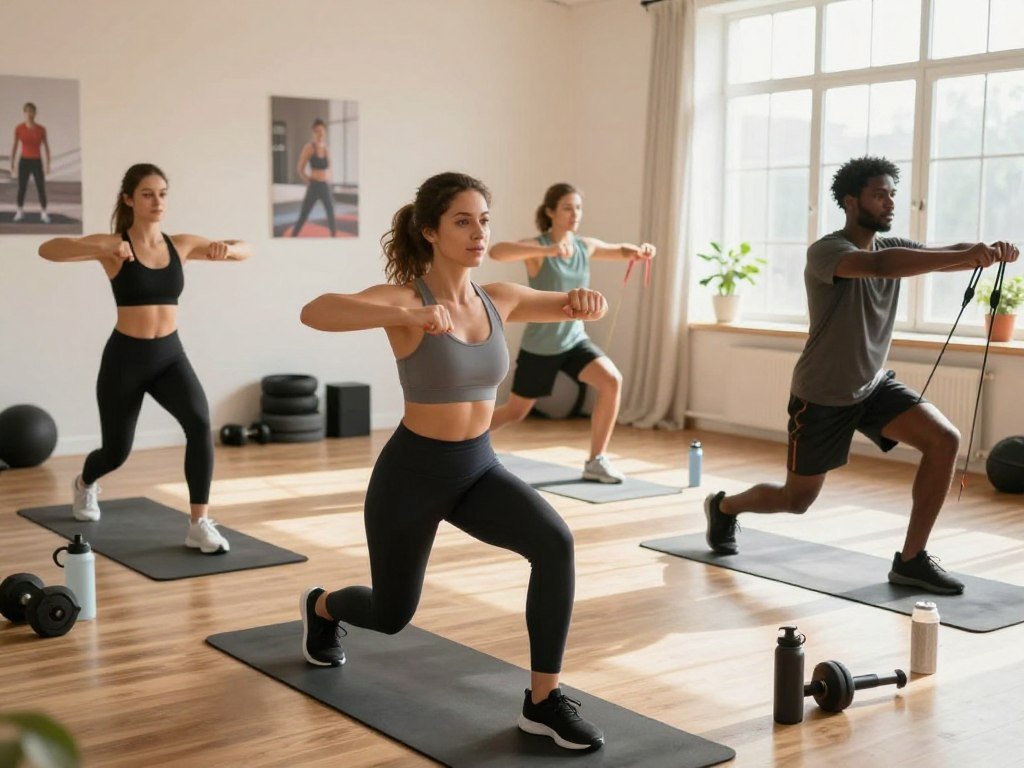
One effective strategy is to increase the intensity of your sessions. If you usually perform bodyweight squats, try adding a resistance band or slowing down your tempo to increase time under tension. Small adjustments to your home workout programs for weight loss can force your muscles to work harder and burn more calories.
Finally, do not be afraid to try entirely new exercises. Switching from steady-state cardio to high-intensity intervals or incorporating new yoga flows can shock your system in a positive way. By keeping your routine fresh, you ensure that your fitness journey remains both effective and engaging for the long haul.
Safety Tips and Injury Prevention for Solo Workouts
When you train alone, you become your own coach and your own safety officer. While the convenience of a home gym is unmatched, it is vital to maintain a focus on injury prevention to keep your progress moving forward. By following a few simple protocols, you can ensure that your fitness routine remains both effective and safe.
Proper Warm-Up and Cool-Down Protocols
Never skip your warm-up, as it is the foundation of a successful session. A proper warm-up increases your heart rate and prepares your muscles for the work ahead, significantly reducing the risk of strains or tears. Spend at least five to ten minutes on dynamic movements like leg swings, arm circles, or light jogging in place.
Equally important is the cool-down phase after your workout is complete. Cooling down allows your heart rate to return to its resting state gradually and helps prevent dizziness. Incorporating static stretches during this time also aids in muscle recovery and improves your long-term flexibility.
Listening to Your Body to Avoid Overtraining
One of the biggest risks when working out solo is the tendency to push too hard without external feedback. You must learn to distinguish between the healthy discomfort of a challenging workout and the sharp pain of an injury. If you feel persistent pain or extreme exhaustion, it is time to stop and rest.
Overtraining can lead to burnout, weakened immunity, and long-term physical setbacks. Pay close attention to signals like poor sleep, irritability, or a sudden drop in performance. Honoring your body’s need for rest is just as important as the time you spend exercising, as it allows your tissues to repair and grow stronger.
Mental Health Benefits of Regular Physical Activity
While you focus on weight loss, your brain is quietly reaping massive rewards from every workout. Engaging in regular physical activity is one of the most effective ways to improve your overall quality of life. It acts as a natural mood booster that helps you navigate the challenges of a busy day with more ease.
When you move your body, your brain releases chemicals called endorphins. These natural substances help reduce feelings of pain and trigger a positive feeling in the body. Many people find that even a short session at home can clear their head and provide a much-needed mental reset.

Exercise also serves as a powerful tool for managing daily stress. By focusing on your movements, you allow your mind to take a break from the constant stream of worries or tasks. This mindful approach to fitness helps lower cortisol levels, which is the body’s primary stress hormone.
“The body achieves what the mind believes. When you train your body, you are also training your mind to be more resilient, focused, and calm.”
Taking care of your body is truly a profound way to take care of your mind. You might start your journey to lose weight, but you will likely find that the emotional stability you gain is the most valuable reward. Consistency in your routine creates a sense of accomplishment that builds confidence over time.
| Benefit Category | Physical Impact | Mental Impact |
|---|---|---|
| Endorphin Release | Reduced muscle soreness | Improved mood and happiness |
| Stress Management | Lowered blood pressure | Decreased anxiety levels |
| Routine Building | Increased metabolic rate | Enhanced self-discipline |
| Sleep Quality | Better muscle recovery | Sharper cognitive function |
Staying Motivated When Working Out Alone
Staying motivated during home workouts is a skill that you can master with the right tools. While training by yourself lacks the immediate presence of a coach, it offers a unique chance to build self-discipline. You are the captain of your own fitness ship, which allows you to tailor every session to your specific needs.
One of the most effective ways to keep your momentum is by setting small, achievable goals. Instead of focusing on a massive long-term transformation, try to hit a specific target for the week. Whether it is completing three sessions or mastering a new movement, these small wins provide the dopamine boost needed to keep going.
Technology can also serve as a powerful partner in your living room. You might consider joining digital fitness communities where you can share your progress with others. Additionally, following along with high-energy workout videos can make you feel like you are part of a larger class, effectively reducing the sense of isolation.
Creating a dedicated space for your exercise routine helps signal to your brain that it is time to work. When you prepare your environment in advance, you remove the friction that often leads to skipping a session. Consistency is not about perfection; it is about showing up even when your energy levels feel low.
| Strategy | Primary Benefit | Difficulty Level |
|---|---|---|
| Micro-Goal Setting | Builds confidence | Easy |
| Digital Communities | Provides accountability | Medium |
| Follow-Along Videos | Offers structure | Easy |
| Environment Prep | Reduces friction | Medium |
Remember that your mindset is your greatest asset. By viewing your solo time as a valuable investment in your health, you can transform your home into a sanctuary for growth. Stay patient with yourself, and celebrate every step of your journey toward a stronger version of you.
Conclusion
Achieving your health goals requires a steady commitment to your daily habits. You now possess the tools to build a sustainable routine that fits your unique lifestyle.
Success relies on the combination of smart nutrition and consistent movement. These home workouts for weight loss provide a flexible path toward a stronger version of yourself. You can adapt these routines to match your energy levels and personal preferences.
Small actions lead to significant results over time. Every session you complete builds momentum for your long-term wellness. Prioritizing your physical health creates a positive impact on your mental clarity and daily energy.
Begin your journey with confidence using these home workouts for weight loss. Your dedication remains the most important factor in reaching your target weight. Take the first step right now to see how these changes improve your life.
Share your progress with friends or join online fitness communities to stay inspired. Your path to better health starts with the choices you make in your own living room. Keep moving forward and enjoy the process of becoming your best self.
FAQ
What are the best home workouts for weight loss for beginners?
How often should I perform weight loss exercises at home to see results?
Do I need expensive equipment for effective home workout routines?
Are quick weight loss home workouts like HIIT safe for everyone?
Can I lose weight by only doing yoga or Pilates?
How can I stay motivated with my at-home workouts to lose weight?
 ✦ Verified Expert
Mahua Dutta
International Yoga Alliance Certified Instructor · Nutrition & Dietetics Advisor · Holistic Health Coach
Mahua is an internationally certified Online Yoga Therapeutic Instructor and Holistic Wellness Coach who blends ancient yogic wisdom with modern wellness science. Her work helps women build balance, strength, inner peace, and sustainable well-being through yoga, mindfulness, nutrition, Ayurveda, and meditation — especially for hormonal health and metabolic transformation.