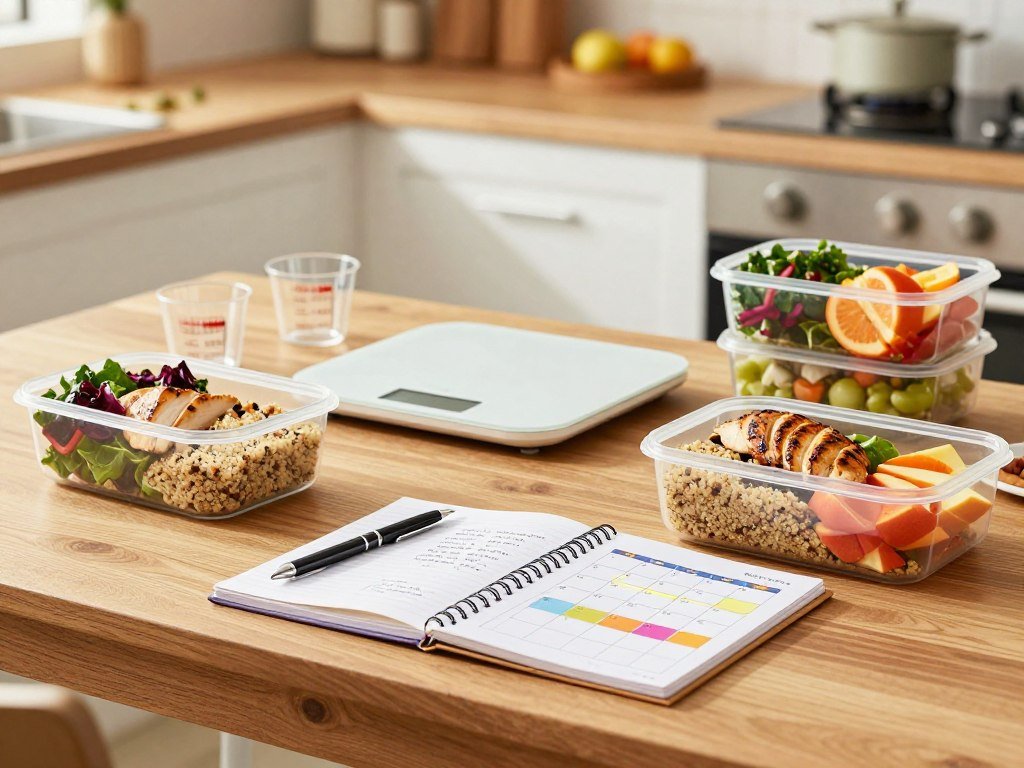
Did you know that the average person makes over 200 food-related decisions every single day? This constant cycle of choosing what to eat often leads to decision fatigue, which frequently results in reaching for convenient but unhealthy snacks. Embarking on a meal planning for weight loss journey is a transformative step toward reclaiming your health and wellness goals.
This guide provides actionable strategies to help you navigate the complexities of nutrition while maintaining a friendly and supportive approach. By focusing on sustainable habits rather than restrictive fads, you can create a lifestyle that promotes long-term success.
Intentional preparation simplifies your daily routine and reduces the stress associated with making healthy food choices. Starting your meal planning for weight loss journey today allows you to take control of your nutrition with confidence and ease.
Key Takeaways
- Reduce daily decision fatigue by preparing your food in advance.
- Focus on building sustainable, long-term healthy habits.
- Simplify your routine to lower stress during busy weeks.
- Prioritize nutrition over restrictive and temporary diet fads.
- Gain confidence by taking control of your daily food choices.
Understanding the Fundamentals of Meal Planning for Weight Loss Journey
Transforming your health begins with the simple, yet powerful, act of planning your food intake. When you take control of what you eat, you stop leaving your nutrition to chance. A structured meal planning for weight loss journey is the most effective way to ensure your body receives the right fuel while staying within your caloric limits.
At its core, weight loss is a scientific process based on energy balance. You must consume fewer calories than your body burns throughout the day to see results. A well-designed diet meal plan acts as a roadmap, guiding you toward your goals without the stress of making last-minute, unhealthy decisions.
Many people find that impulsive eating is the biggest hurdle to their progress. When you are hungry and have no plan, you are more likely to reach for convenient, calorie-dense snacks. By preparing your meals in advance, you eliminate the guesswork and keep your focus on long-term success.
“By failing to prepare, you are preparing to fail.”
Consistency is the secret ingredient that turns a temporary diet into a sustainable lifestyle. When you follow a consistent diet meal plan, you create healthy habits that become second nature over time. This approach not only helps you shed weight but also improves your overall relationship with food.
| Feature | Impulsive Eating | Planned Eating |
|---|---|---|
| Caloric Control | Difficult to track | Easily managed |
| Decision Making | High stress | Low stress |
| Nutrient Quality | Often poor | Highly balanced |
| Long-term Result | Inconsistent | Sustainable |
Ultimately, your meal planning for weight loss journey should be flexible enough to fit your lifestyle while remaining rigid enough to produce results. Start small, stay consistent, and watch how these fundamental changes lead to a healthier, more vibrant version of yourself.
Setting Realistic Goals and Caloric Needs
Before you start your meal planning for weight loss journey, you need to define your specific caloric needs. Success in weight management is rarely about guesswork and almost always about precise, realistic goal setting. By establishing clear targets, you prevent burnout and ensure that your efforts remain sustainable over the long term.

Calculating Your Daily Energy Expenditure
Your body requires a specific amount of energy to function, which is known as your Total Daily Energy Expenditure (TDEE). This number represents the calories you burn through basic metabolic processes and physical activity. Understanding this baseline is essential for creating a plan that actually works for your unique physiology.
To find your TDEE, you first determine your Basal Metabolic Rate (BMR). This is the energy your body uses while at rest. You then multiply this figure by an activity factor that accounts for your daily movement, ranging from sedentary to highly active.
Determining Your Deficit for Sustainable Weight Loss
Weight loss occurs when you consistently eat fewer calories than your body burns. However, creating too large of a gap can lead to fatigue and muscle loss. A moderate, consistent deficit is the gold standard for healthy, lasting results.
Most experts suggest a modest reduction of 300 to 500 calories per day to promote steady progress. This approach allows you to maintain your meal planning for weight loss journey without feeling deprived or overly restricted. Always consider discussing your specific calorie levels and portion sizes with a registered dietitian to ensure your plan is safe and tailored to your body type.
Building a Balanced Plate for Long-Term Success
Mastering the art of the balanced plate transforms how you approach every meal. When you focus on the composition of your food, you create a sustainable foundation for healthy meal prep that keeps you satisfied for hours. This simple shift in perspective helps you avoid the common pitfalls of restrictive dieting.
Prioritizing Lean Proteins and Fiber
Protein serves as the cornerstone of a filling meal. We recommend that you eat your protein foods first to help you feel full sooner, which naturally reduces the likelihood of overeating later in your meal.
Lean sources like chicken breast, tofu, or white fish provide the essential building blocks your body needs. Pairing these proteins with high-fiber vegetables, such as broccoli or leafy greens, adds volume to your plate without adding excess calories. This combination is essential for maintaining steady blood sugar levels throughout the day.
Incorporating Healthy Fats and Complex Carbohydrates
While protein and fiber handle satiety, healthy fats and complex carbohydrates provide the fuel you need to stay active. Including sources like avocado, nuts, or olive oil ensures your body receives vital nutrients for long-term health.
Complex carbohydrates, such as quinoa, sweet potatoes, or brown rice, offer a slow release of energy. When you integrate these into your weekly meal planner, you avoid the energy crashes often associated with processed snacks. This balanced approach ensures that every bite you take contributes positively to your weight loss objectives.
Mastering the Art of Healthy Meal Prep
Mastering the art of healthy meal prep is the secret weapon for anyone serious about their weight loss goals. By taking control of your kitchen, you remove the guesswork from your daily nutrition. This proactive approach ensures that you always have a wholesome, calorie-conscious option ready when hunger strikes.
To keep your meals light and nutritious, focus on low-fat cooking methods. You can easily prepare delicious dishes by baking, grilling, boiling, poaching, broiling, roasting, steaming, or microwaving without adding extra fats. These techniques preserve the natural flavors of your ingredients while keeping your caloric intake in check.
Essential Kitchen Tools for Efficient Prepping
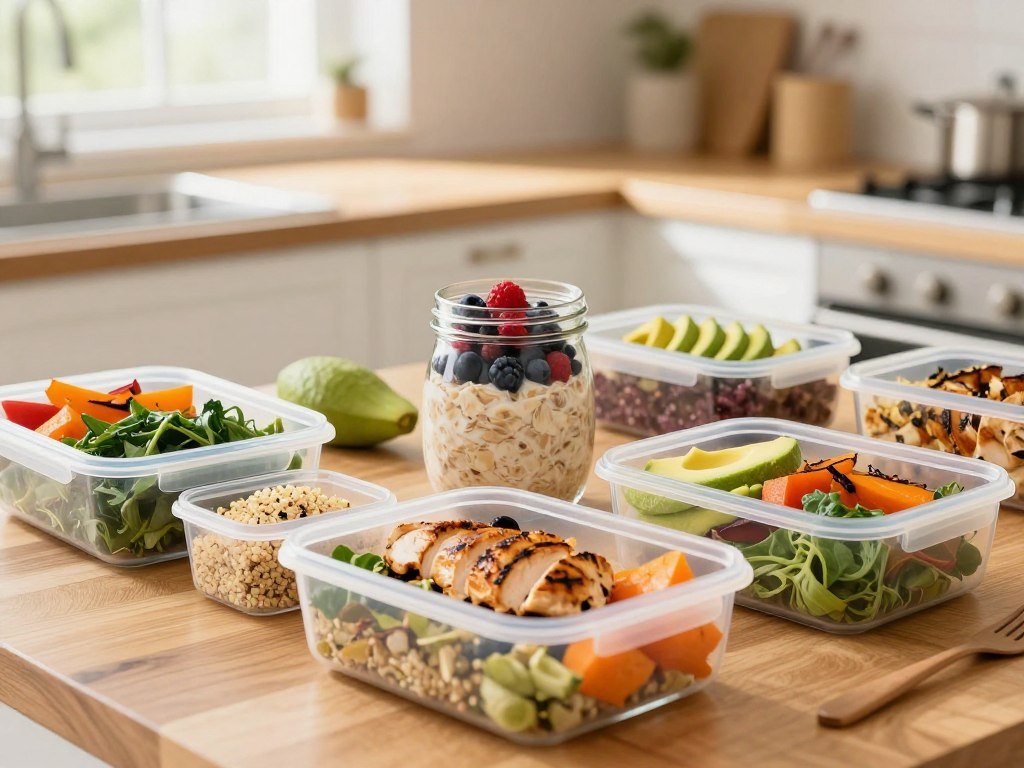
Having the right equipment makes the process of healthy meal prep much smoother and faster. You do not need a professional kitchen to succeed, but a few key items will save you significant time and effort. Investing in quality tools helps you maintain consistency throughout your busy week.
- Digital Food Scale: Essential for portion control and tracking your exact caloric intake.
- High-Quality Chef’s Knife: Makes chopping vegetables and lean proteins quick and safe.
- Glass Storage Containers: Perfect for keeping your prepped meals fresh and easy to reheat.
- Steamer Basket: A simple tool for cooking vegetables without needing oils or butter.
Batch Cooking Strategies for Busy Schedules
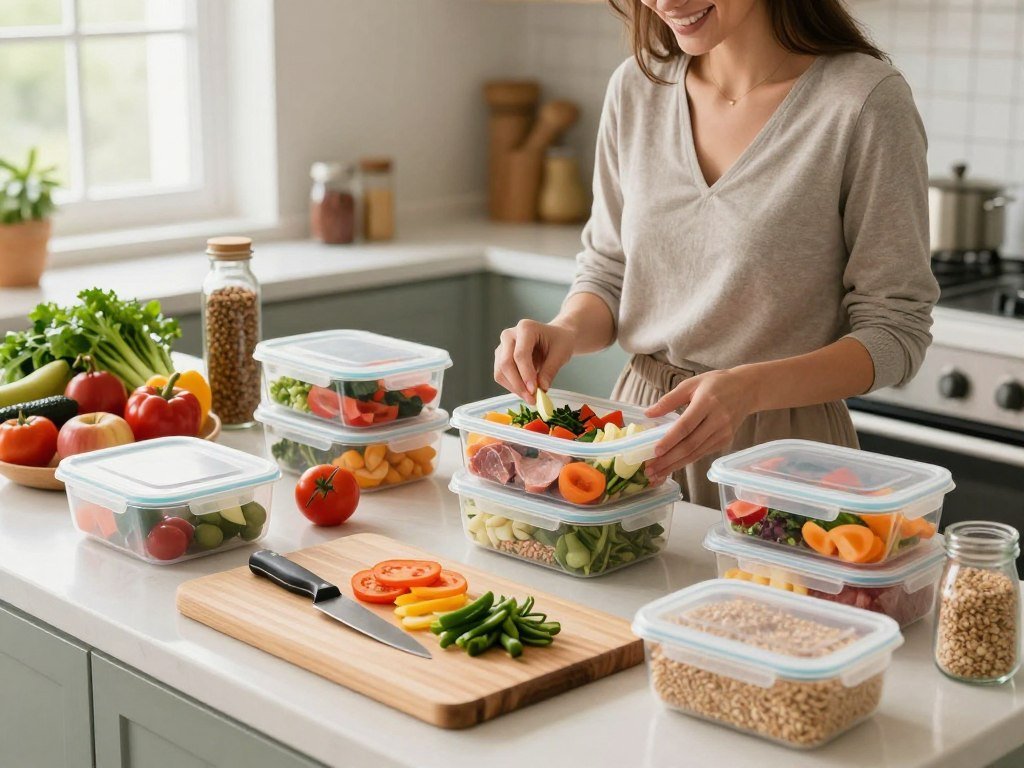
Batch cooking is a game-changer for those with limited time during the work week. Instead of cooking every single night, dedicate a few hours on the weekend to prepare large portions of your favorite staples. This strategy allows you to assemble meals in minutes, preventing the temptation to order takeout.
Start by choosing one day to roast a large tray of vegetables and grill several portions of lean protein. You can then mix and match these components to create different flavor profiles throughout the week. Consistency is the key to long-term success, and having a fridge stocked with pre-portioned meals makes staying on track feel effortless.
Creating Your Weekly Meal Planner
A well-structured weekly meal planner acts as your primary defense against impulsive food choices. By deciding your menu in advance, you remove the stress of daily decision-making. This proactive approach is a cornerstone of effective healthy meal prep, ensuring you always have nutritious options ready to go.
Mapping Out Breakfast, Lunch, and Dinner
Consistency is vital when you are working toward your fitness goals. We suggest mapping out your breakfast, lunch, and dinner to ensure you eat around the same time every day. This simple habit helps regulate your hunger hormones and keeps your metabolism steady throughout the afternoon.
“Failing to plan is planning to fail.”
When you organize your meals, try to include a variety of colors and textures. This keeps your palate interested and prevents the boredom that often leads to snacking on processed items. Consistency in timing is just as important as the quality of the food on your plate.
Planning Nutritious Snacks to Avoid Cravings
Strategic snacking is the best way to prevent the dreaded mid-afternoon energy slump. Instead of reaching for vending machine treats, prepare small, nutrient-dense portions ahead of time. Having these items ready allows you to satisfy your hunger without derailing your progress.
Consider keeping these items on hand for quick, healthy snacking:
- Fresh berries or sliced apples with a small portion of nuts.
- Greek yogurt topped with a sprinkle of chia seeds.
- Raw vegetable sticks paired with a flavorful hummus.
By integrating these snacks into your weekly meal planner, you maintain control over your caloric intake. This level of preparation is the ultimate secret to successful healthy meal prep and long-term weight management.
Exploring Clean Eating Meal Plan Principles
Embracing a clean eating meal plan is one of the most effective ways to fuel your body for long-term success. By prioritizing nutrient-dense foods, you provide your system with the essential vitamins and minerals it needs to thrive. This approach naturally enhances your weight loss recipes, making every bite count toward your goals.
Focusing on Whole, Unprocessed Ingredients
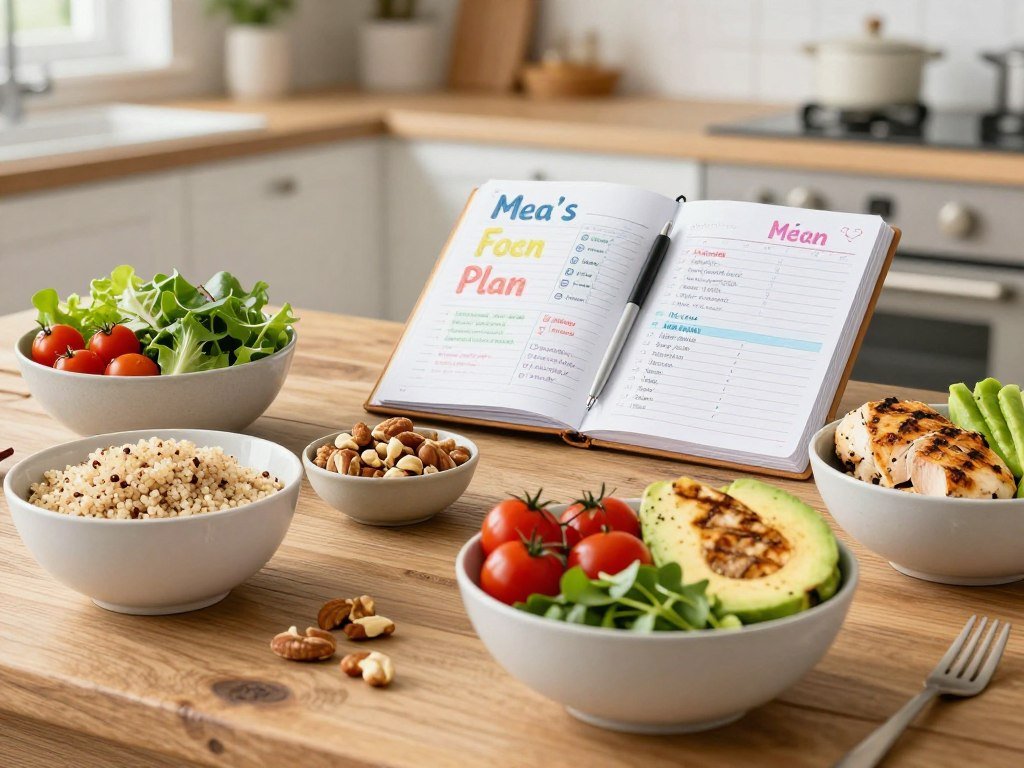
The core of this lifestyle involves choosing foods in their most natural state. Instead of relying on boxed items, fill your kitchen with fresh fruits, vegetables, lean proteins, and whole grains. These items are free from artificial preservatives and fillers that often stall progress.
When you build your diet meal plan around these staples, you gain better control over your caloric intake. Whole foods are naturally more satiating, which helps you stay full longer. This simple shift reduces the urge to snack on empty calories throughout the day.
Reading Nutrition Labels Like a Pro
Learning to interpret packaging is a vital skill for anyone serious about their health. Many products hide excess sugar and sodium behind complex names. You should aim to limit sugar to 5 grams or less per serving to keep your blood glucose levels stable.
Always scan the ingredient list for items you cannot pronounce or recognize. If a product contains a long list of additives, it is likely not the best choice for your goals. Use the following table to help you distinguish between ideal choices and items to avoid.
| Food Category | Clean Choice | Processed Alternative |
|---|---|---|
| Grains | Steel-cut oats | Sugary instant packets |
| Protein | Grilled chicken breast | Breaded chicken nuggets |
| Snacks | Raw almonds | Honey-roasted nuts |
| Beverages | Infused water | Sweetened soda |
By staying vigilant, you ensure that your diet meal plan remains effective and sustainable. Consistent attention to these details will make your journey toward better health much smoother. Remember, every small choice you make at the store contributes to your overall success.
Curating Your Collection of Weight Loss Recipes
Developing a repertoire of nutritious meals makes sticking to your goals feel like a treat rather than a chore. When you have a reliable set of weight loss recipes at your fingertips, you eliminate the guesswork that often leads to unhealthy choices. This collection serves as your personal roadmap to consistent, healthy eating.
Finding Flavor Without Excess Calories
You do not need to sacrifice taste to reach your health goals. Instead of relying on heavy, calorie-dense sauces, try experimenting with fresh herbs, zesty lemon juice, or flavorful spices to brighten your dishes. These simple additions provide incredible depth without adding unnecessary weight to your plate.
Understanding portion control is just as important as the ingredients you choose. A helpful rule of thumb is that 3 oz of meat, poultry, or fish is approximately the size of a deck of cards. By keeping these weight loss recipes balanced, you can enjoy satisfying meals while staying within your daily caloric targets.
Adapting Family Favorites for Healthier Results
You can easily transform your favorite comfort foods into lighter versions that the whole family will love. Start by making small, impactful changes, such as removing the skin from poultry before cooking or swapping heavy cream for Greek yogurt in sauces. These minor adjustments significantly reduce fat content while maintaining the textures you enjoy.
Another effective strategy involves upgrading your cooking techniques. Using high-quality non-stick cookware allows you to sauté vegetables or sear proteins with minimal oil. By curating a collection of weight loss recipes that focus on these smart modifications, you ensure that your healthy lifestyle remains sustainable and enjoyable for the long term.
Navigating Grocery Shopping for Weight Loss
Your success in the kitchen begins long before you start cooking, right in the aisles of your local supermarket. When you treat your shopping trip as a deliberate act of self-care, you gain control over your nutritional intake. Integrating your meal planning calendar into your shopping routine ensures that you only bring home ingredients that support your goals.

Creating an Effective Shopping List
An organized list is your best defense against impulsive buying. Before you head out, review your meal planning calendar to identify exactly what you need for the week ahead. This simple habit prevents the frustration of missing ingredients and keeps your budget in check.
To make your list as effective as possible, try organizing it by store section. This strategy helps you move through the aisles with purpose and speed. Consider these essential categories for your next trip:
- Fresh Produce: Focus on seasonal vegetables and fruits.
- Lean Proteins: Stock up on chicken, fish, tofu, or legumes.
- Whole Grains: Look for quinoa, brown rice, or oats.
- Healthy Fats: Choose nuts, seeds, and avocados.
Avoiding Common Pitfalls in the Supermarket Aisles
Supermarkets are designed to tempt you with processed snacks and high-calorie treats. To stay on track, never shop while you are hungry, as this often leads to poor decision-making. Stick strictly to your list and avoid the center aisles where most processed foods reside.
Another common challenge is understanding what a standard portion actually looks like. Many people struggle with portion control because they underestimate how much they are consuming. We recommend using measuring cups at home to learn what a serving size looks like on your plates.
By visualizing these portions while you shop, you can better estimate how much food you truly need for the week. This mindful approach prevents over-purchasing and helps you maintain a healthy balance once you get home. Stay focused on your priorities, and you will find that the grocery store becomes a place of empowerment rather than a source of stress.
Evaluating Weight Loss Meal Delivery Services
When life gets hectic, relying on external support can keep your health goals on track. Many people find that weight loss meal delivery services provide the structure needed to stay consistent when time is scarce. These services can bridge the gap between your busy schedule and your nutritional requirements.
Pros and Cons of Subscription Meal Kits
Subscription kits offer undeniable convenience by eliminating the need for grocery shopping and complex recipe planning. You receive pre-portioned ingredients, which helps in managing caloric intake effectively. However, these services often come with a higher price tag compared to cooking from scratch.
Another factor to consider is the lack of control over specific ingredient sourcing or sodium levels. While many companies now offer healthy options, you must carefully review labels to ensure they align with your personal wellness goals. It is essential to weigh these trade-offs before committing to a long-term subscription.
When to Outsource Your Meal Planning
Outsourcing your meals is a smart move when your professional or personal obligations leave no room for kitchen time. If you find yourself frequently skipping meals or opting for unhealthy fast food, it is time to reconsider your strategy. Using a delivery service can prevent the cycle of poor dietary choices during stressful weeks.
Even when you use a service, you should always have a backup plan for unexpected schedule changes. Keep a list of healthy takeout options saved on your phone for those days when you have to nix your planned menu. These meal prepping tips ensure that you remain consistent even when life becomes unpredictable.
Ultimately, the best approach is to integrate these services as a tool rather than a total replacement for your habits. By combining professional delivery with your own meal prepping tips, you create a flexible system that supports long-term success. Stay adaptable, and remember that your health journey is a marathon, not a sprint.
Staying Consistent with Meal Prepping Tips
When life gets busy, having a set of reliable meal prepping tips can be the difference between success and frustration. Consistency is the secret ingredient to long-term health, especially when unexpected obstacles arise. Beyond just food, remember that your body needs adequate sleep each night, ideally between 7 and 9 hours, to regulate hunger hormones and keep your energy levels stable.
Overcoming Common Challenges and Plateaus
Weight loss plateaus are a natural part of the process, but they often test your resolve. If you find your progress stalling, revisit your meal prepping tips to ensure your portions and nutrient density remain aligned with your goals. Sometimes, a simple shift in your routine is all you need to reignite your momentum.
Consider these strategies to push through difficult weeks:
- Audit your portions: Use a food scale to ensure your prepped meals match your caloric needs.
- Add variety: If you feel bored, try new spices or cooking methods to keep your palate excited.
- Prioritize recovery: Never underestimate the power of 7-9 hours of sleep to help your body recover and manage stress.
Maintaining Motivation During Social Events
Social gatherings often present the biggest hurdles for those following a structured plan. You do not have to skip these events to stay on track; instead, use your meal prepping tips to prepare your mindset before you arrive. Planning ahead allows you to enjoy the company of friends without feeling like you have abandoned your health journey.
Try these mindful approaches when dining out or attending parties:
- Check the menu: Look at restaurant options online beforehand to identify the healthiest choices.
- Eat a snack: Have a small, fiber-rich snack before leaving home so you arrive without intense hunger.
- Focus on connection: Remember that the primary goal of social events is connection, not just the food on the table.
Staying consistent is a marathon, not a sprint. By integrating these habits into your daily life, you build a sustainable path toward your goals that lasts well beyond the initial excitement of starting a new routine.
Tracking Progress Beyond the Scale
While the scale provides one data point, your true progress is often hidden in your daily habits and energy levels. Many people find that their most significant victories happen in ways that a digital scale simply cannot measure. Focusing on how you feel is just as important as watching the numbers drop.
Using Journals and Apps to Monitor Habits
To gain a clear picture of your journey, consider using journals or mobile applications to log your food intake and physical activity. These tools help you identify patterns that might otherwise go unnoticed. By recording your meals and workouts, you can see exactly which habits are driving your success.
Consistency is the key to gathering useful data. When you track your habits, you become more mindful of your choices throughout the day. This awareness allows you to make small, intentional changes that lead to long-term results.
Adjusting Your Plan Based on Feedback
If you choose to use a scale, accuracy is essential for meaningful feedback. We recommend weighing yourself only once per week at the same time of day. It is also important to wear the same amount of clothing and use the same scale to ensure your measurements remain consistent.
Do not be discouraged by minor fluctuations, as these are a normal part of the process. Instead, use your weekly data and your journal entries to adjust your plan as needed. By regularly reviewing this feedback, you can ensure that your weight loss journey remains both effective and sustainable for your lifestyle.
Conclusion
Achieving your weight loss goals relies on the habits you build every single day. Consistent meal planning serves as the bedrock for your long-term success and vitality.
You now possess the tools to manage your nutrition with confidence. By setting clear targets and tracking your progress, you create a sustainable rhythm that fits your unique lifestyle.
Every small choice you make adds up to significant results over time. Embrace the process of learning what works best for your body and your schedule.
Stay flexible when life brings unexpected changes to your routine. Adapting your approach keeps you moving forward without losing momentum on your health journey.
You have the power to transform your relationship with food starting today. Take control of your kitchen and enjoy the rewards of a healthier, more vibrant version of yourself.
Share your experiences with friends or join online communities to keep your motivation high. Your commitment to better health inspires those around you to make positive changes as well.
FAQ
How do I start a meal planning for weight loss journey from scratch?
What are the most effective healthy meal prep methods?
Can weight loss meal delivery services actually help me lose weight?
How can I manage my meal planning calendar when eating out at restaurants?
Why is sleep mentioned in a guide about meal planning for weight loss?
How much sugar is allowed in a clean eating meal plan?
What is a simple way to measure portions without a scale?
 ✦ Verified Expert
Mahua Dutta
International Yoga Alliance Certified Instructor · Nutrition & Dietetics Advisor · Holistic Health Coach
Mahua is an internationally certified Online Yoga Therapeutic Instructor and Holistic Wellness Coach who blends ancient yogic wisdom with modern wellness science. Her work helps women build balance, strength, inner peace, and sustainable well-being through yoga, mindfulness, nutrition, Ayurveda, and meditation — especially for hormonal health and metabolic transformation.