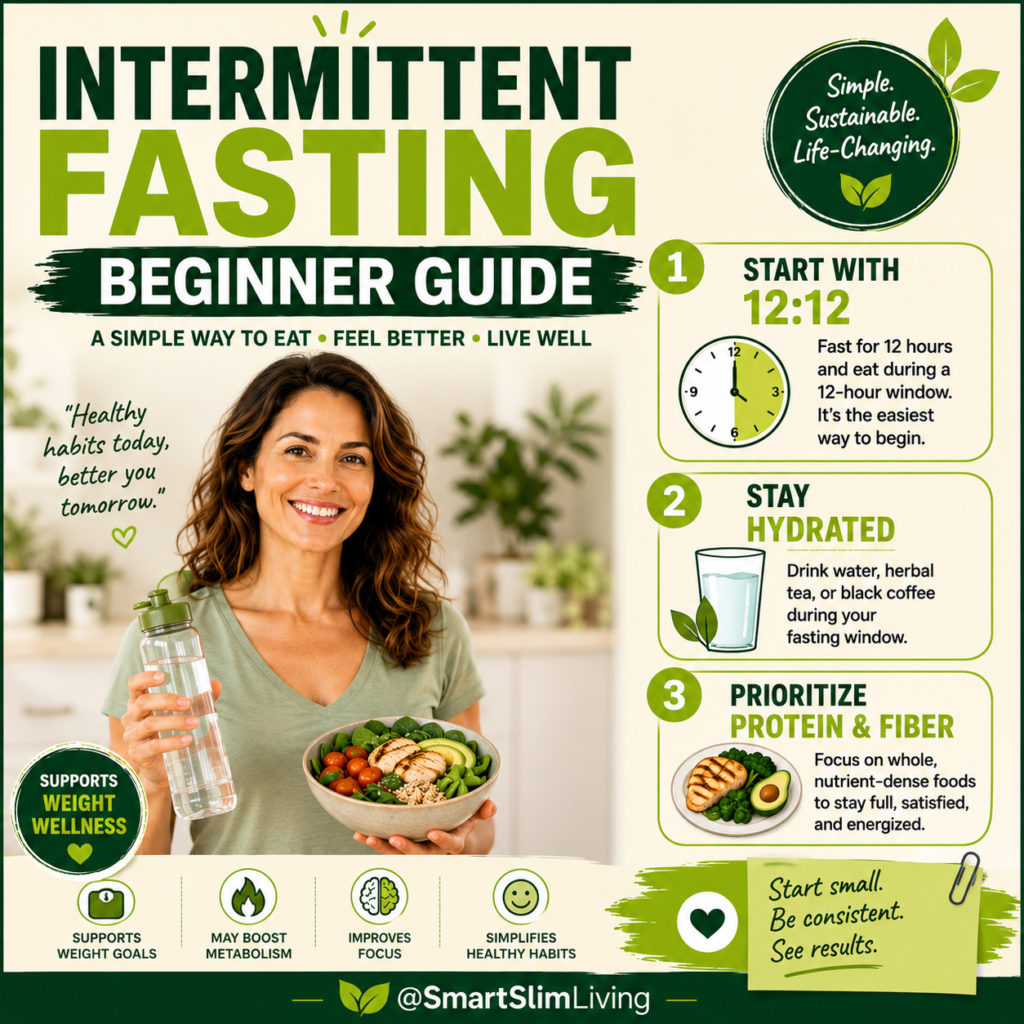
Did you know that over 70% of Americans are now looking for sustainable ways to improve their metabolic health without restrictive dieting? This shift highlights a growing interest in Intermittent Fasting, an ancient practice that has evolved into a modern wellness staple.
By aligning your eating windows with your body’s natural clock, you can unlock significant improvements in weight management and energy levels. This approach is not just a trend; it is a science-backed strategy for long-term vitality.
Transitioning to this lifestyle might seem daunting, but it is surprisingly simple to integrate into your daily routine. Whether you are a beginner or looking to refine your habits, Intermittent Fasting offers a flexible path toward better health. Let’s explore how you can start your journey with confidence and ease today.
Key Takeaways
- Understand the core principles of time-restricted eating for metabolic health.
- Learn how to choose a schedule that fits your unique lifestyle.
- Discover evidence-based tips for managing hunger during transition periods.
- Explore the long-term benefits for weight management and cellular repair.
- Gain practical steps to begin your wellness journey safely and effectively.
Understanding the Science Behind Intermittent Fasting
Understanding the science behind Intermittent Fasting reveals why this practice is so effective for your health. When you stop eating for set periods, your body undergoes a fascinating internal transformation. This process shifts your metabolism from relying on constant glucose intake to utilizing stored energy sources.
This metabolic flexibility is essential for long-term wellness. By switching fuel sources, your body becomes more efficient at burning fat. This transition is a key reason why many people experience successful weight loss when they adopt a structured eating schedule.
How Fasting Affects Cellular Repair
During a fast, your cells initiate a vital cleanup process known as autophagy. This is the body’s way of removing damaged components and recycling them for energy. Think of it as a deep-cleaning service for your internal systems.
This cellular maintenance helps keep your organs functioning at their peak. By giving your digestive system a break, you allow your body to focus on repair rather than processing new food. This natural restoration is a cornerstone of why Intermittent Fasting is so beneficial.
The Role of Insulin Sensitivity in Weight Management
One of the most significant advantages of this lifestyle is the improvement of insulin sensitivity. When your body is more sensitive to insulin, it manages blood sugar levels with much greater ease. A notable study by Peterson found that pre-diabetic men significantly improved their blood sugar control by eating during a shorter daily window.
Better insulin sensitivity directly supports your weight loss goals by reducing fat storage signals. When your hormones are balanced, your metabolism functions more effectively throughout the day. The following table highlights the differences between the fed and fasted states.
| Feature | Fed State | Fasted State |
|---|---|---|
| Primary Fuel | Glucose | Stored Fat |
| Insulin Levels | High | Low |
| Cellular Activity | Growth/Storage | Repair/Cleanup |
| Metabolic Focus | Digestion | Fat Oxidation |
Key Health Benefits of Time-Restricted Eating
Beyond simple weight loss, intermittent fasting provides a systemic boost to your overall health. By aligning your daily meals with your body’s natural circadian rhythms, you can unlock significant improvements in how your internal systems function. This approach to time-restricted eating is more than a diet; it is a sustainable lifestyle shift.

Metabolic Health and Fat Oxidation
When you limit your eating window, your body undergoes a metabolic transition. Research suggests that daily intermittent fasting helps individuals lose weight, often resulting in a reduction of about 250 calories per day without strict calorie counting. This process encourages your body to prioritize fat oxidation over glucose storage.
Furthermore, this practice significantly improves insulin sensitivity. By giving your pancreas a break from constant insulin production, your cells become more efficient at managing blood sugar levels. Stable blood sugar is a cornerstone of long-term metabolic health and disease prevention.
Cognitive Function and Brain Health
Many people report enhanced mental clarity after adopting a time-restricted eating schedule. When the body is not constantly focused on digestion, it can redirect energy toward cellular repair and cognitive maintenance. This shift often leads to improved focus and sustained energy throughout the day.
The health benefits extend to the brain by supporting the production of proteins that protect neurons. Consistent fasting cycles may help sharpen your memory and stabilize your mood. Below is a summary of how these physiological changes impact your daily life.
| Health Marker | Standard Eating | Time-Restricted Eating |
|---|---|---|
| Insulin Sensitivity | Baseline | Improved |
| Fat Oxidation | Low | High |
| Mental Clarity | Fluctuating | Consistent |
| Metabolism | Standard | Optimized |
The Role of Autophagy in Longevity
The secret to longevity may lie in a natural cellular recycling program activated by fasting. When you practice Intermittent Fasting, you provide your body with the necessary downtime to initiate a vital internal maintenance cycle known as autophagy.
This biological process acts as a sophisticated waste-management system for your cells. By clearing out damaged components, your body ensures that it continues to function at its peak potential.
What Happens During the Cellular Cleanup Process
During periods of time-restricted eating, your cells begin to identify and break down old, dysfunctional proteins and organelles. This cleanup is essential because these damaged parts can accumulate over time and hinder your overall health benefits.
Once the degradation process is complete, your body recycles these materials to build new, healthy cellular structures. This regeneration is a cornerstone of maintaining homeostasis and is strongly linked to increased longevity in scientific research.
By understanding how to stimulate this cleanup, you can better appreciate the long-term protective effects of your routine. Autophagy is not just a side effect of fasting; it is a powerful tool for cellular renewal that keeps your biological systems running smoothly.
Popular Intermittent Fasting Methods Explained
Exploring different fasting methods allows you to tailor your health journey to your specific needs. Because everyone has a unique schedule, finding a protocol that fits your lifestyle is essential for long-term success. Whether you are aiming for weight loss or improved metabolic health, there is a strategy that can work for you.

The 16/8 Method for Beginners
The 16/8 approach is widely considered the most popular form of time-restricted eating. It involves limiting your daily food intake to an 8-hour window, followed by a 16-hour fasting period. Many people find this method easy to follow because it often just requires skipping breakfast or finishing dinner early.
By keeping your eating window consistent, you allow your body to enter a state of fat burning more effectively. This simple structure makes it a great starting point for those new to Intermittent Fasting.
The 5:2 Diet Approach
The 5:2 diet offers a different structure by focusing on weekly cycles rather than daily windows. You eat normally for five days of the week and restrict your calorie intake to about 500–600 calories on the remaining two days. This method provides flexibility for those who prefer not to track hours every single day.
Eat-Stop-Eat and Alternate-Day Fasting
For those looking for more advanced fasting methods, Eat-Stop-Eat involves a full 24-hour fast once or twice a week. Similarly, alternate-day fasting requires you to alternate between days of normal eating and days of significant calorie restriction. These approaches are more intense but can be highly effective for weight loss goals.
| Method | Fasting Duration | Best For |
|---|---|---|
| 16/8 Method | 16 Hours Daily | Beginners |
| 5:2 Diet | 2 Days Per Week | Flexible Schedules |
| Eat-Stop-Eat | 24 Hours (1-2x/week) | Advanced Practitioners |
| Alternate-Day | Every Other Day | Experienced Users |
Ultimately, the best Intermittent Fasting routine is the one you can maintain consistently. Always listen to your body as you experiment with these different styles of time-restricted eating to see what yields the best results for your health.
Preparing Your Body for a Fasting Lifestyle
Transitioning into a fasting routine is a process that benefits from careful preparation. Before you dive into a new schedule, it is essential to understand how your body adapts to these changes. By following basic intermittent fasting guidelines, you can ensure a smoother transition while supporting your long-term health goals.
Assessing Your Current Nutritional Needs
Before you start, take a moment to evaluate your daily eating habits. Your body requires a solid foundation of vitamins and minerals to function at its best. Focusing on nutrient-dense foods during your eating windows helps maintain energy levels throughout the day.
Prioritize whole foods like lean proteins, healthy fats, and complex carbohydrates. This approach provides the necessary fuel for your body to perform essential functions, including autophagy, which is the natural cellular cleanup process. A well-nourished body is much better equipped to handle the metabolic shifts that occur during a fast.
Hydration Strategies During Fasting Windows
Proper hydration is a cornerstone of any successful Intermittent Fasting plan. When you fast, your body often excretes more sodium through urine, which can lead to lower blood pressure and fatigue. You must be proactive about replacing these lost electrolytes to feel your best.
Drinking plain water is a great start, but you may need to add a pinch of sea salt or an electrolyte supplement to your routine. Staying hydrated helps prevent headaches and keeps your energy stable. Use the following table to understand how to balance your intake effectively.
| Strategy | Benefit | Recommended Action |
|---|---|---|
| Sodium Balance | Prevents dizziness | Add sea salt to water |
| Fluid Intake | Supports metabolism | Drink 2-3 liters daily |
| Electrolytes | Maintains nerve function | Use magnesium or potassium |
| Consistency | Reduces hunger pangs | Sip water throughout the day |
By prioritizing these simple steps, you set a strong foundation for your Intermittent Fasting journey. Remember that listening to your body is the most important part of the process. Adjust your habits as needed to ensure you remain healthy and energized.
Step-by-Step Guide to Starting Your First Fast
You can simplify your transition into a healthier lifestyle by following a clear, step-by-step approach to Intermittent Fasting. While the concept may seem daunting at first, breaking it down into manageable actions helps your body adapt smoothly. By focusing on consistency rather than perfection, you set yourself up for long-term success.

Choosing Your Initial Fasting Window
When exploring various fasting methods, it is best to start with a window that fits your current schedule. A popular strategy involves eating breakfast like a king and dinner like a pauper, which supports better blood sugar control throughout the day. This approach helps align your caloric intake with your body’s natural circadian rhythm.
Beginners often find success by starting with a 12-hour fast, which includes the time you spend sleeping. As you become more comfortable, you can gradually extend this window to 14 or 16 hours. Following these basic intermittent fasting guidelines ensures that you do not overwhelm your system during the early stages.
Managing Hunger During the Adjustment Period
It is completely normal to feel hungry when your body is adjusting to a new eating schedule. During these moments, try drinking water, herbal tea, or black coffee to help curb your appetite. Staying hydrated is a key component of successful Intermittent Fasting, as thirst is often mistaken for hunger.
If you find the hunger pangs distracting, try to keep yourself busy with light tasks or work. Your body will eventually regulate its hunger hormones, making the process feel much more natural over time. Remember that patience is essential when you are learning new fasting methods.
Breaking Your Fast with Nutrient-Dense Foods
How you end your fast is just as important as the time you spend without food. Prioritize nutrient-dense foods like lean proteins, healthy fats, and fiber-rich vegetables to nourish your body effectively. Avoiding heavy, processed meals immediately after a fast helps prevent energy crashes and digestive discomfort.
Focusing on whole foods will provide the sustained energy you need to thrive throughout your eating window. By adhering to these intermittent fasting guidelines, you maximize the health benefits of your routine. Making mindful choices will help you feel stronger and more energized as you continue your journey with Intermittent Fasting.
Optimizing Your Eating Window for Maximum Results
Taking control of when you eat is a powerful way to enhance your overall metabolic health. Once you have established a consistent routine, you can begin to refine your approach to achieve even better outcomes. Research suggests that eating earlier in the day is generally superior for blood sugar and blood pressure management, which supports your long-term wellness goals.
Prioritizing Protein and Fiber
When your feeding window opens, the quality of your food choices becomes paramount. Prioritizing protein and fiber is one of the most effective ways to stay satiated throughout your fasting period. These nutrients work together to stabilize your energy levels and prevent the common urge to snack unnecessarily.
Including lean meats, legumes, and cruciferous vegetables in your meals helps you adhere to healthy intermittent fasting guidelines. By focusing on whole, nutrient-dense foods, you provide your body with the essential building blocks it needs to repair and thrive. This strategy is a cornerstone for sustainable weight loss and improved body composition.
Avoiding Common Pitfalls During Feeding Times
It is easy to fall into the trap of overeating or choosing processed convenience foods when your fasting window ends. Many people mistakenly believe that intermittent fasting allows for unrestricted calorie intake, but quality still matters. Relying on high-sugar or ultra-processed items can lead to energy crashes and hinder your progress.
To maximize your results, try to plan your meals ahead of time to avoid impulsive decisions. Staying mindful of your hunger cues ensures that you are fueling your body rather than just filling it. By avoiding these common pitfalls, you make weight loss more manageable and keep your intermittent fasting journey on the right track.
Intermittent Fasting and Exercise Performance
Achieving peak physical performance while following intermittent fasting guidelines is entirely possible with the right strategy. Many people worry that skipping meals will lead to muscle loss or a sluggish metabolism. However, research shows that daily Intermittent Fasting does not negatively affect muscle mass, unlike prolonged fasts that last for several days.

Training in a Fasted State Versus Fed State
Deciding whether to exercise in a fasted or fed state often comes down to personal preference and your specific fitness goals. Training in a fasted state may help some individuals improve their fat oxidation rates during aerobic activities. This approach can be particularly effective for those looking to lean out while maintaining their current strength levels.
Conversely, training in a fed state provides your body with immediate glucose, which is often necessary for high-intensity interval training or heavy lifting. If you feel lightheaded or weak during fasted workouts, eating a small, nutrient-dense meal beforehand is a smart move. Always prioritize your safety and listen to your body’s signals as you adapt to your new routine.
Adjusting Workout Intensity for Energy Levels
Your metabolism and energy levels may fluctuate as you adjust to your new schedule. It is important to remain flexible with your training intensity during the initial transition phase. If you feel your energy dipping, consider swapping a high-intensity session for a steady-state walk or a light yoga flow.
Following consistent intermittent fasting guidelines means you should never force a workout if you feel truly depleted. By matching your effort to your available fuel, you ensure long-term consistency without burnout. Remember that Intermittent Fasting is a tool to support your health, not a reason to compromise your recovery.
| Training State | Best For | Energy Availability |
|---|---|---|
| Fasted State | Low-intensity cardio | Uses stored body fat |
| Fed State | Heavy weightlifting | Uses immediate glucose |
| Modified State | High-intensity intervals | Balanced fuel sources |
Common Challenges and How to Overcome Them
While the health perks are clear, fitting a fasting routine into a busy social life requires some finesse. You may encounter moments where your schedule clashes with traditional meal times, or you might feel a bit sluggish as your body adapts to new patterns. These hurdles are a normal part of the process and do not mean you have to abandon your goals.
Dealing with Social Situations and Dining Out
Navigating restaurants or dinner parties while practicing Intermittent Fasting can feel daunting at first. Remember that social connection is just as important for your well-being as your nutritional choices. You can easily adjust your eating window to accommodate a special event without feeling isolated.
If you know you have a dinner planned, simply shift your fasting window to start a bit later in the day. Focus on the conversation and the company rather than strictly adhering to a rigid clock. By following basic intermittent fasting guidelines, you can maintain your progress while still enjoying life’s special moments.
Managing Fatigue and Irritability
It is common to experience temporary fatigue or irritability during the first few weeks of your journey. Your body is learning to switch fuel sources, which is a key part of triggering autophagy and metabolic flexibility. During these dips, stay patient and kind to yourself as your system recalibrates.
Staying hydrated is your best defense against feeling tired or grumpy. Often, what we perceive as hunger or exhaustion is actually a sign of mild dehydration. Keep a water bottle nearby and consider adding a pinch of sea salt to your water to maintain electrolyte balance.
| Challenge | Strategy | Outcome |
|---|---|---|
| Social Dining | Shift your window | Flexibility |
| Low Energy | Increase hydration | Improved focus |
| Irritability | Gentle movement | Better mood |
| Hunger Pangs | Drink herbal tea | Sustained Intermittent Fasting |
If you feel overwhelmed, it is perfectly acceptable to shorten your fast for a day or two. Consistency over the long term is far more valuable than perfection in the short term. Listen to your body, stay consistent with your Intermittent Fasting routine, and celebrate the small wins along the way.
Supplements and Beverages During Fasting
Staying hydrated is a cornerstone of any successful health journey, especially when you are fasting. While your body focuses on internal repair, choosing the right liquids helps you sustain your Intermittent Fasting routine without unwanted interruptions. Understanding these simple guidelines ensures you remain comfortable and energized throughout your day.

What You Can Drink Without Breaking a Fast
During your fasting window, the goal is to keep your insulin levels stable. You can safely consume water, plain black coffee, or unsweetened tea without triggering a digestive response. These choices support your metabolism while keeping you hydrated.
Plain water remains the gold standard for hydration. If you prefer variety, unsweetened herbal teas or black coffee provide antioxidants that offer additional health benefits. Just remember to avoid adding milk, cream, or sweeteners, as these can easily break your fast.
Essential Electrolytes to Maintain Balance
As your body adjusts to a new eating schedule, you might notice minor side effects like headaches or lightheadedness. These symptoms often occur because your body flushes out water and essential minerals more quickly. Maintaining a proper balance of electrolytes is crucial for your long-term success.
Consider adding a pinch of sea salt to your water or using a sugar-free electrolyte supplement to replenish sodium, potassium, and magnesium. By keeping these levels steady, you protect your metabolism and ensure that your Intermittent Fasting experience remains sustainable. Prioritizing these small adjustments will help you unlock the full health benefits of your lifestyle change.
Who Should Avoid Intermittent Fasting
While many people thrive on a structured eating schedule, it is important to recognize that this approach is not a universal solution for everyone. Before you commit to a new dietary routine, you must consider whether your current health status makes this practice safe for your body. Safety should always be your primary concern when exploring new ways to manage your nutrition.
Medical Conditions Requiring Professional Supervision
Certain individuals should avoid Intermittent Fasting entirely to protect their long-term health. For instance, this practice is not recommended during pregnancy or for children, as these groups have unique nutritional requirements that must be met consistently for proper development.
If you have a history of chronic health issues, you must seek professional guidance before starting. Those managing conditions that affect insulin sensitivity, such as type 1 diabetes, require strict medical oversight to prevent dangerous fluctuations in blood sugar levels. Always consult with a healthcare provider to ensure that any changes you make align with your specific medical needs and intermittent fasting guidelines.
Recognizing Signs of Disordered Eating Patterns
It is equally critical to maintain a healthy relationship with food while exploring different dietary habits. If you find that your focus on timing your meals leads to anxiety, obsession, or guilt, you may be developing signs of disordered eating.
Listen to your body and pay attention to your mental state throughout the process. If you notice that you are skipping meals to punish yourself or feeling an intense fear of eating outside your window, it is time to stop and speak with a professional. Your mental well-being is just as important as your physical health, and no dietary strategy is worth compromising your peace of mind.
Tracking Your Progress and Adjusting Your Routine
Understanding how your body reacts to different schedules is key to long-term success. You do not need to be perfect every single day to see real results. In fact, you only need to follow Intermittent Fasting at least five days a week to experience significant health benefits.
This flexibility allows you to maintain a healthy lifestyle without feeling overwhelmed. By keeping a record of your journey, you can identify which fasting methods work best for your unique biology and daily schedule.

Using Journals and Apps to Monitor Success
Consistency is often the biggest hurdle when starting a new health routine. Using a digital app or a simple paper journal can help you stay accountable and motivated. These tools allow you to log your fasting windows, note your energy levels, and track your mood throughout the day.
“Success is the sum of small efforts, repeated day in and day out.”
When you document your progress, you gain valuable insights into your body’s patterns. You might notice that certain fasting methods lead to better sleep or higher focus. Over time, this data becomes a roadmap for your personal wellness strategy.
| Tracking Tool | Best For | Key Benefit |
|---|---|---|
| Mobile Apps | Automation | Real-time notifications |
| Paper Journal | Reflection | Mindful habit building |
| Spreadsheets | Data Analysis | Long-term trend spotting |
When to Modify Your Fasting Schedule
Even the best plans may need adjustments as your life changes. If you find that your current routine causes excessive fatigue or constant irritability, it is time to pivot. You should feel empowered to shift your eating window to better align with your social life or work demands.
Remember that Intermittent Fasting is a tool meant to serve you, not a rigid set of rules. If you are not seeing the progress you expected, try adjusting your fasting duration or the timing of your meals. Small, intentional changes often lead to the best long-term outcomes for your health.
Long-Term Sustainability and Lifestyle Integration
True success with Intermittent Fasting is found when the practice becomes a seamless part of your daily rhythm. Rather than viewing this approach as a temporary fix for weight loss, it is helpful to see it as a permanent shift in how you nourish your body. By moving away from the “diet” mentality, you create space for a healthier relationship with food that lasts for years.
Building Habits That Last Beyond the Initial Phase
The transition from the early stages of time-restricted eating to a lifelong habit requires patience and self-awareness. You should focus on consistency rather than perfection, allowing your body to adapt at its own pace. When you listen to your internal hunger cues, you make the process feel natural instead of forced.
Consistency is the foundation of long-term health outcomes. If you occasionally deviate from your schedule, do not feel discouraged; simply return to your routine the next day. This flexible approach ensures that your Intermittent Fasting journey remains enjoyable and sustainable.
Ultimately, the goal is to prioritize your overall well-being. By integrating time-restricted eating into your life, you support your weight loss goals while maintaining the energy needed for your daily activities. Embracing this lifestyle change as a positive, long-term commitment will help you thrive and feel your best every single day.
Conclusion
Transforming your daily habits is the first step toward lasting vitality. Intermittent Fasting serves as a powerful tool to unlock your body’s potential for metabolic efficiency and sustained energy.
You now possess the knowledge to navigate your eating windows with purpose. Prioritizing nutrient-dense meals while staying hydrated will amplify the health benefits you experience over time. Small adjustments to your routine create significant shifts in how you feel each day.
Consistency remains the most vital component of this journey. Focus on building a sustainable rhythm that fits your unique schedule and personal goals. You have the agency to shape your physical well-being through intentional choices.
Start your practice today to witness the positive changes in your life. Enjoy the journey toward better health and discover the lasting health benefits that come with a balanced approach to Intermittent Fasting. Your commitment to this lifestyle will yield rewards for years to come.
FAQ
What is metabolic flexibility and how does it relate to intermittent fasting?
Can I achieve significant weight loss through time-restricted eating?
What is autophagy and why is it considered a “cleanup” process?
Which fasting methods are best for someone just starting out?
How should I prepare my body for a new intermittent fasting routine?
What are the best tips for managing hunger when I first start?
Is there an ideal time of day for my eating window?
Will intermittent fasting cause me to lose muscle mass?
How can I maintain my fasting schedule during social events or dining out?
What beverages are allowed during the fasting window?
Are there specific people who should avoid intermittent fasting?
How can I track my progress and know if the routine is working?
How do I ensure this becomes a sustainable, long-term lifestyle?
 ✦ Verified Expert
Mahua Dutta
International Yoga Alliance Certified Instructor · Nutrition & Dietetics Advisor · Holistic Health Coach
Mahua is an internationally certified Online Yoga Therapeutic Instructor and Holistic Wellness Coach who blends ancient yogic wisdom with modern wellness science. Her work helps women build balance, strength, inner peace, and sustainable well-being through yoga, mindfulness, nutrition, Ayurveda, and meditation — especially for hormonal health and metabolic transformation.